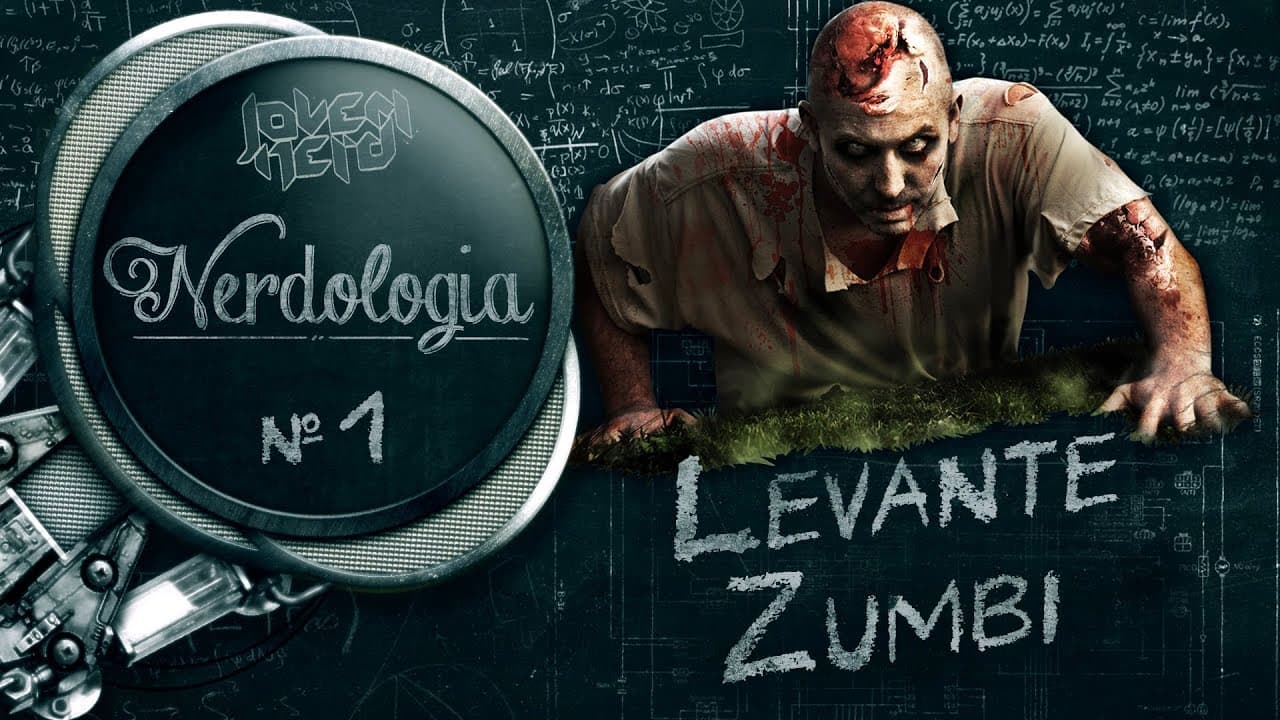
LEVANTE ZUMBI | Nerdologia
TL;DR
Explores the biological plausibility of zombie infections.
Transcript
Hello nerds, welcome to the first Nerdologia, a Nerdoffice spin-off! I am Átila Iamarino, biologist, researcher and a shoot a zombie with peas winner. To get started we'll see with Rodrigo's arts, what would happen with humanity in case of a zombie rise. Beware: Gigantic spoilers of the quoted movies. And we'll be speaking of the of the zombies tur... Read More
Key Insights
- The video examines the concept of zombies turned by viral infection, contrasting with older zombie lore. It references movies like World War Z and 28 Days Later, where viruses are the cause of zombification, reflecting real-world viral diseases such as Ebola.
- The speed of zombification, as depicted in films, is often unrealistic. For instance, the rapid transformation in World War Z is biologically improbable, as even fast-acting toxins take longer to affect a host.
- The video highlights the role of vectors and transmission methods in disease spread, using the example of the Emerald Cockroach Wasp, which uses a neurotoxin to control its prey, demonstrating that even targeted toxins require time to act.
- An analysis of the epidemiological spread of a disease shows that slower initial progression with increased transmissibility over time, as seen in real-life outbreaks, is more plausible than the rapid spread depicted in some films.
- The concept of a virus avoiding weak or sick hosts, as portrayed in World War Z, is explored. Animals like dogs can detect illness through smell, a phenomenon that has inspired research into using animals for disease detection.
- The idea of using a hybrid virus to protect humans from zombies, as suggested in World War Z, is critiqued. The video proposes tuberculosis as a more viable alternative due to its long-lasting infection and treatability.
- Mathematical models of zombie epidemics are discussed, highlighting the rapidity with which such an outbreak could theoretically decimate humanity, emphasizing the need for swift response protocols.
- The video concludes with a call to action for preparedness, humorously advising viewers to aim for the head in the event of a zombie apocalypse, while also promoting related content and merchandise.
Install to Summarize YouTube Videos and Get Transcripts
Explore YouTube Video Summarizer or Get YouTube Transcript Extractor
Questions & Answers
Q: How does the video relate zombie infections to real-world diseases?
The video draws parallels between fictional zombie infections and real-world viral diseases, such as Ebola, Nipah, and Hendra. It highlights how these viruses, like those in movies, are spread through infected fluids or bites. This comparison underscores the biological plausibility of viral zombification, contrasting with older, less scientifically grounded zombie lore.
Q: What critique does the video offer about the speed of zombification in films?
The video critiques the unrealistic speed of zombification in films like World War Z, where transformation occurs in seconds. It argues that even fast-acting toxins require more time to affect a host, drawing on examples like the Emerald Cockroach Wasp, which uses a neurotoxin that takes 30 to 40 minutes to act, highlighting the implausibility of such rapid transformations.
Q: How does the video use the Emerald Cockroach Wasp as an example?
The Emerald Cockroach Wasp is used to illustrate how even targeted neurotoxins require time to take effect. The wasp injects a toxin into a cockroach's brain, taking 30 to 40 minutes to zombify it for easier manipulation. This example emphasizes the implausibility of the rapid zombification depicted in films, contrasting with real biological processes.
Q: What does the video say about the spread of diseases in zombie scenarios?
The video discusses how diseases typically spread slowly at first, gaining transmissibility over time, as seen in real-life outbreaks. It contrasts this with the rapid spread depicted in films, suggesting that a slower progression with increased transmissibility is more biologically plausible. This concept is exemplified by the spread of the Acute Respiratory Syndrome in the early 2000s.
Q: How does the video address the idea of a virus avoiding sick hosts?
The video explores the concept of a virus avoiding weak or sick hosts, as depicted in World War Z. It explains that animals like dogs can detect illness through smell, a phenomenon that has led to research into using animals for disease detection. This idea is critiqued, noting the scientific basis but also the challenges in practical application.
Q: What alternative does the video propose to the hybrid virus in World War Z?
The video critiques the idea of using a hybrid virus to protect humans from zombies, as suggested in World War Z. Instead, it proposes tuberculosis as a more viable alternative due to its long-lasting infection and treatability with antibiotics. This suggestion highlights the importance of considering treatable diseases for such hypothetical scenarios.
Q: What do mathematical models reveal about zombie epidemics?
Mathematical models of zombie epidemics, as discussed in the video, show the rapid potential spread and devastating impact on humanity. These models assume that everyone bitten becomes infected, leading to a swift decimation of the population. The video uses these models to emphasize the need for quick response protocols in the event of such an outbreak.
Q: What is the video's call to action for viewers?
The video humorously advises viewers to prepare for a potential zombie apocalypse, emphasizing the importance of swift action and preparedness. It encourages viewers to aim for the head in such scenarios and promotes related content and merchandise. This call to action engages the audience and fosters a sense of community among viewers interested in the topic.
Summary & Key Takeaways
-
The video delves into the scientific plausibility of zombie outbreaks as depicted in films, focusing on the role of viruses in zombification. It critiques the unrealistic speed of transformation and explores real-world analogs, such as the Emerald Cockroach Wasp, to illustrate how even rapid-acting toxins require time to affect hosts.
-
Epidemiological concepts are applied to zombie scenarios, demonstrating how diseases typically spread slowly at first, gaining transmissibility over time. The video critiques the idea of using a hybrid virus for protection, suggesting tuberculosis as a more viable alternative due to its treatable nature.
-
Mathematical models of zombie epidemics are highlighted, showing the rapid potential spread and impact on humanity. The video humorously advises viewers on preparedness and engages with the audience through calls to action, promoting related content and merchandise.
Read in Other Languages (beta)
Share This Summary 📚
Summarize YouTube Videos and Get Video Transcripts with 1-Click
Try YouTube Summary with ChatGPT & Claude or YouTube Transcript Generator
Explore More Summaries from Nerdologia 📚




Summarize YouTube Videos and Get Video Transcripts with 1-Click
Try YouTube Summary with ChatGPT & Claude or YouTube Transcript Generator