How to Find a Winning Business Idea Like Magic Spoon
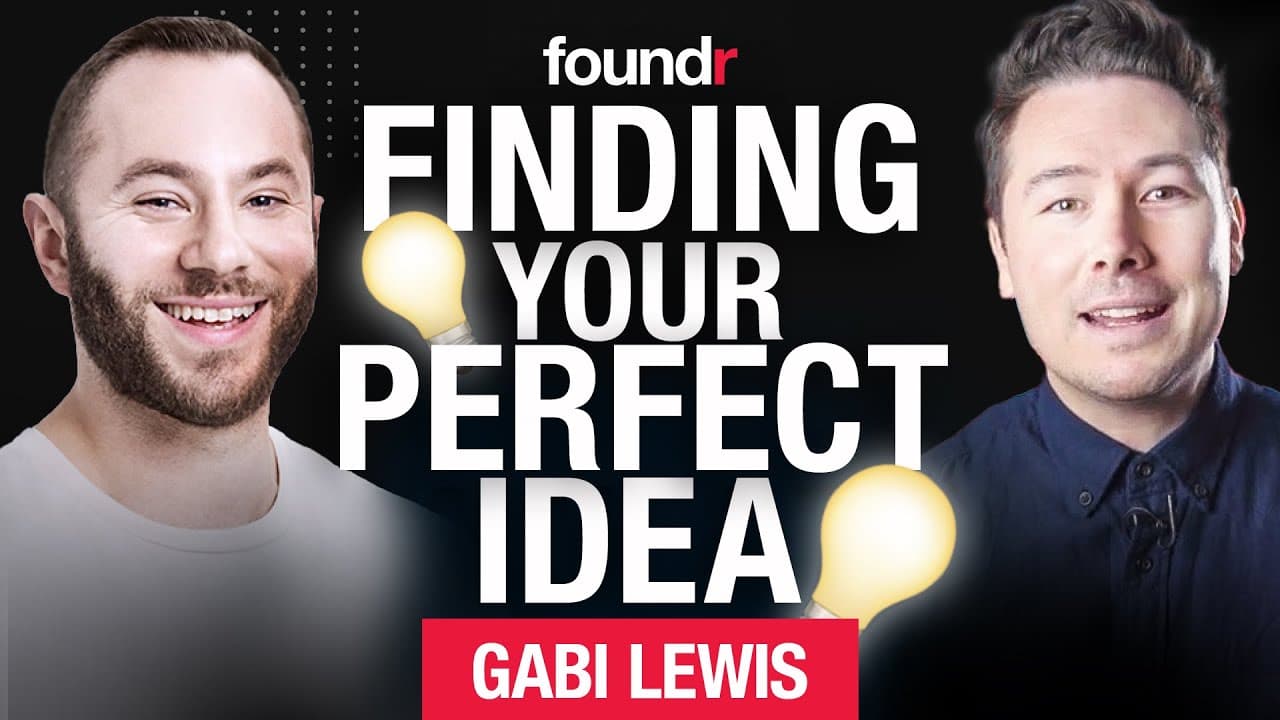
TL;DR
To find a winning business idea, focus on product-market fit, as demonstrated by Magic Spoon's success. Gabi Lewis emphasizes the importance of creating a quality product that resonates with consumers, leveraging influencer marketing and a direct-to-consumer model. By targeting niche diets and prioritizing a strong brand presence, Magic Spoon has achieved rapid growth while maintaining a commitment to its core product.
Transcript
i never really appreciated the importance of product market fit i was sort of of this idea that if you're a smart founder if you're driven if you've got hustle and grit you can make anything work if you try hard enough and if you persist what's going on founder fam hope you are doing well nathan chan here cm publisher of founder magazine and today ... Read More
Key Insights
- Gabi Lewis emphasizes the importance of product-market fit, noting that a great product can significantly ease the marketing effort.
- Magic Spoon's direct-to-consumer model capitalizes on influencer partnerships and social media to drive early success and growth.
- The company raised $6-7 million, leveraging previous investor relationships and demonstrating strong initial traction to secure further funding.
- Magic Spoon focuses on niche diets like keto and gluten-free to capture passionate consumer bases and drive initial sales.
- The company prioritizes maintaining a high-quality product, which they believe is crucial for retaining customers and outpacing competitors.
- Despite the potential market on Amazon, Magic Spoon remains focused on growing through their own website to maintain control and margins.
- The pandemic positively impacted Magic Spoon's sales, as more consumers turned to online shopping for shelf-stable food products.
- Gabi Lewis advises founders to avoid distractions by focusing on a few key strategies and saying no to unnecessary opportunities.
Install to Summarize YouTube Videos and Get Transcripts
Explore YouTube Video Summarizer or Get YouTube Transcript Extractor
Questions & Answers
Q: What was the initial reaction to Magic Spoon's launch?
Magic Spoon's launch exceeded expectations, with sales in the first month surpassing what many anticipated for the first year. This success was attributed to strong product-market fit and effective use of influencer marketing, which helped rapidly build brand awareness and consumer trust.
Q: How did Gabi Lewis validate the idea for Magic Spoon?
Gabi Lewis and his team conducted initial product testing with friends and investors, focusing on the taste and texture of the cereal. They prioritized creating a product that met specific nutritional criteria, such as high protein and low carbs, without using artificial ingredients, to appeal to health-conscious consumers.
Q: What role did influencer marketing play in Magic Spoon's growth?
Influencer marketing has been a cornerstone of Magic Spoon's strategy, with the company leveraging health and wellness influencers to reach target audiences. These influencers, some of whom are investors, help create credibility and drive sales through authentic endorsements and content creation.
Q: Why did Magic Spoon choose a direct-to-consumer model?
Magic Spoon opted for a direct-to-consumer model to maintain control over the customer experience and margins. This approach allows them to build strong relationships with consumers, gather direct feedback, and avoid the complexities and costs associated with traditional retail distribution.
Q: What challenges did Magic Spoon face with supply chain management?
Magic Spoon experienced supply chain challenges early on, such as selling out and managing demand fluctuations. However, they quickly scaled up production and improved forecasting to better meet consumer demand and minimize stockouts, ensuring a more consistent supply of their products.
Q: How did the pandemic affect Magic Spoon's business?
The pandemic positively impacted Magic Spoon, as consumers increasingly turned to online shopping for shelf-stable food products. Magic Spoon's direct-to-consumer model and healthy, convenient cereal offerings were well-suited to the needs of customers during lockdowns, boosting their sales and customer base.
Q: What is Magic Spoon's approach to product expansion?
Magic Spoon remains focused on the cereal market, which is large enough to meet their growth ambitions. They are not looking to expand into other breakfast categories immediately but plan to introduce new cereal flavors and possibly explore other channels, like Amazon, once they have maximized growth through their website.
Q: What advice does Gabi Lewis offer to other founders?
Gabi Lewis advises founders to avoid distractions and focus on a few key strategies that work well. He emphasizes the importance of saying no to unnecessary opportunities and honing in on core strengths, such as product quality and effective marketing channels, to drive sustainable growth.
Summary & Key Takeaways
-
Gabi Lewis discusses the journey from founding Exo Protein to launching Magic Spoon, highlighting lessons learned about product-market fit and the importance of a high-quality product. Magic Spoon's direct-to-consumer model, bolstered by influencer marketing, has driven rapid growth in the competitive cereal market.
-
Magic Spoon's strategy includes targeting niche diets and leveraging influencer partnerships to build brand awareness and trust. The company raised significant capital quickly, thanks to strong relationships with previous investors and impressive early sales figures.
-
Despite the challenges of scaling during the pandemic, Magic Spoon has effectively doubled its team and maintained growth by outsourcing to agencies and focusing on a few key marketing channels. The company remains committed to its core product and resists expanding into other categories or platforms like Amazon prematurely.
Read in Other Languages (beta)
Share This Summary 📚
Summarize YouTube Videos and Get Video Transcripts with 1-Click
Try YouTube Summary with ChatGPT & Claude or YouTube Transcript Generator
Explore More Summaries from Foundr 📚

Summarize YouTube Videos and Get Video Transcripts with 1-Click
Try YouTube Summary with ChatGPT & Claude or YouTube Transcript Generator