What Is a K-shaped Economic Recovery?
TL;DR
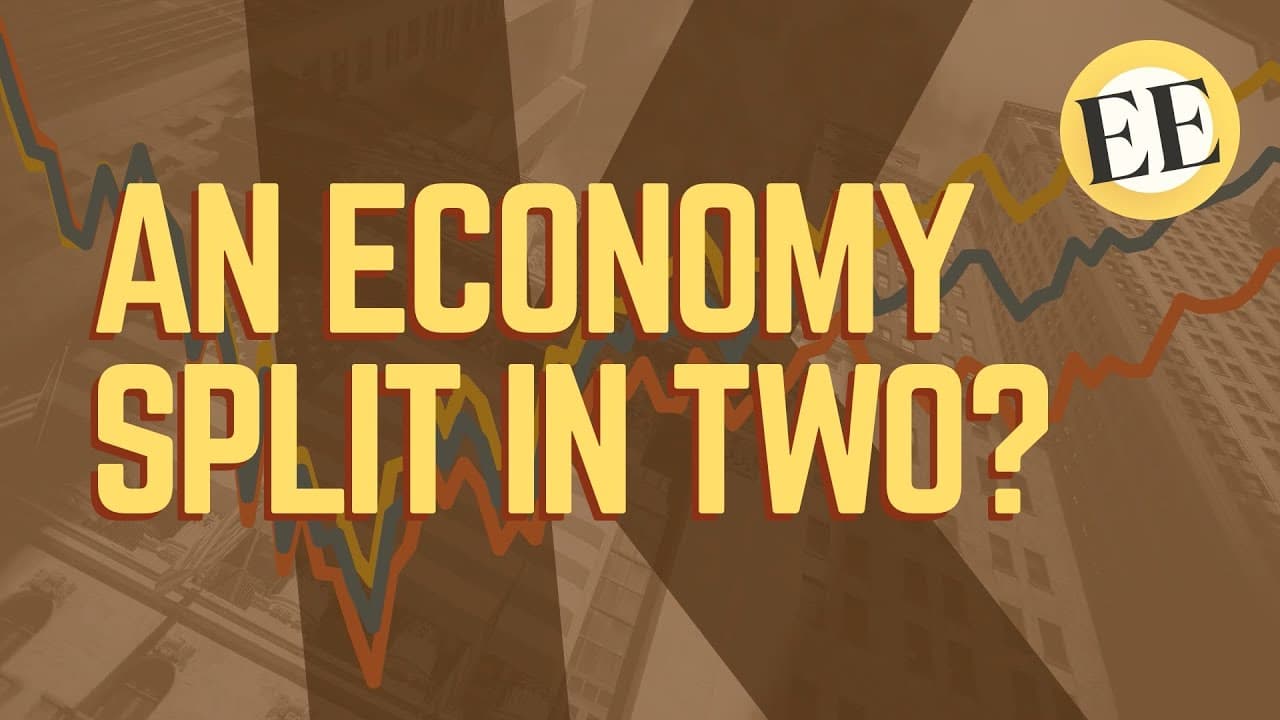
A K-shaped recovery is a scenario where different sectors of the economy recover at different rates, leading to increased inequality. Wealthy individuals and large corporations rebound quickly, while small businesses and lower-income individuals struggle. This pattern exacerbates wealth gaps and poses significant challenges for policymakers aiming to mitigate long-term socioeconomic impacts.
Transcript
So 2019 really was the ideal time to start a youtube channel focused on economics because the months since this channel has taken off have not exactly had many dry news days. The economic impacts of the coronavirus have been felt far and wide and we have covered these problems in-depth in a handful of videos on this channel. But the logical que... Read More
Key Insights
- A K-shaped recovery involves different parts of the economy recovering at different rates.
- Wealthy asset owners and large businesses typically recover faster in a K-shaped scenario.
- Small businesses and wage earners often continue to struggle during a K-shaped recovery.
- Government stimulus and low-interest rates benefit large corporations more than small businesses.
- Economic inequality tends to increase during a K-shaped recovery.
- Contractionary fiscal policy is crucial for preparing economies for future downturns.
- Individuals should live below their means and save to prepare for economic downturns.
- Multigenerational housing can provide financial benefits during economic crises.
Install to Summarize YouTube Videos and Get Transcripts
Explore YouTube Video Summarizer or Get YouTube Transcript Extractor
Questions & Answers
Q: What is a K-shaped recovery?
A K-shaped recovery is an economic scenario where different sectors of the economy recover at different rates following a recession. Typically, wealthy individuals and large corporations rebound quickly due to government support and market resilience, while small businesses and lower-income individuals face prolonged struggles. This pattern leads to increased economic inequality and poses significant challenges for policymakers aiming to address long-term socioeconomic impacts.
Q: Why does a K-shaped recovery increase economic inequality?
A K-shaped recovery increases economic inequality because it results in disparate recovery rates across different sectors of the economy. Wealthy asset owners and large corporations benefit from government stimulus, low-interest rates, and market resilience, allowing them to rebound quickly. In contrast, small businesses and wage earners struggle to recover, widening the wealth gap and exacerbating socioeconomic disparities.
Q: How can individuals prepare for a K-shaped recovery?
Individuals can prepare for a K-shaped recovery by living below their means and building an emergency savings fund. This financial discipline can help cushion the impact of economic downturns. Additionally, considering multigenerational housing can provide financial benefits by reducing living costs and offering built-in childcare, further supporting financial stability during challenging economic times.
Q: What role does government stimulus play in a K-shaped recovery?
Government stimulus plays a significant role in a K-shaped recovery by providing financial support that disproportionately benefits large corporations and wealthy individuals. These entities can leverage stimulus funds and low-interest rates to stabilize and grow, while small businesses and lower-income individuals may not receive adequate support, leading to uneven recovery rates and increased economic inequality.
Q: How can policymakers address the challenges of a K-shaped recovery?
Policymakers can address the challenges of a K-shaped recovery by implementing contractionary fiscal policies during times of economic prosperity. This approach helps prepare economies for future downturns by encouraging savings and reducing dependency on government support. Additionally, targeted support for small businesses and lower-income individuals can help mitigate the widening wealth gap and promote more equitable recovery.
Q: What are the long-term impacts of a K-shaped recovery?
The long-term impacts of a K-shaped recovery include increased economic inequality and a widening wealth gap. As wealthy individuals and large corporations recover faster, small businesses and lower-income individuals face prolonged hardships. This disparity can lead to social and economic instability, making it critical for policymakers to implement strategies that promote equitable recovery and address underlying socioeconomic issues.
Q: Why is contractionary fiscal policy important during economic prosperity?
Contractionary fiscal policy is important during economic prosperity because it helps prepare economies for future downturns by encouraging savings and reducing reliance on government support. By increasing taxes and reducing government spending, individuals and businesses are less likely to become complacent, fostering a more resilient economic environment that can better withstand future challenges.
Q: How does multigenerational housing benefit families during economic crises?
Multigenerational housing benefits families during economic crises by reducing living costs and providing built-in childcare. By sharing housing expenses among multiple generations, families can save on utilities, land rates, and household upkeep. This arrangement also allows parents to work while grandparents care for children, offering financial stability and support during challenging economic times.
Summary & Key Takeaways
-
A K-shaped recovery occurs when different sectors of the economy recover at uneven rates, leading to increased inequality. Wealthy individuals and large corporations often rebound quickly due to government support and market resilience, while small businesses and lower-income individuals face prolonged hardships. This recovery pattern exacerbates wealth gaps and poses challenges for policymakers aiming to address long-term socioeconomic impacts.
-
During a K-shaped recovery, financial markets and large businesses benefit from government stimulus and low-interest rates, while small businesses and wage earners struggle. This disparity leads to increased economic inequality, with wealthy asset owners recovering faster. Policymakers need to implement contractionary fiscal policies and encourage individual savings to mitigate future downturns.
-
The K-shaped recovery highlights the need for individuals to live below their means and save to prepare for economic downturns. Multigenerational housing can offer financial benefits during crises by reducing costs and providing built-in childcare. Policymakers should focus on contractionary fiscal policies to prepare economies for future challenges and reduce the impact of economic inequality.
Read in Other Languages (beta)
Share This Summary 📚
Summarize YouTube Videos and Get Video Transcripts with 1-Click
Try YouTube Summary with ChatGPT & Claude or YouTube Transcript Generator
Explore More Summaries from Economics Explained 📚






Summarize YouTube Videos and Get Video Transcripts with 1-Click
Try YouTube Summary with ChatGPT & Claude or YouTube Transcript Generator