Our Boats Are Changing the Tide
TL;DR
Digging deeper and wider shipping channels in port cities is causing increased flooding due to reduced friction and resonance, which could double or triple in the next decade and become synonymous with high tide.
Transcript
[♪ INTRO] We often think of the ocean’s tide as a simple rise and fall, connected to the motion of the Moon. But on any given shore, the reality is much more complex: The changing positions of the Sun and the Moon combine with the shape of the seafloor and coastline to create an intricate dance of rising and falling seas. And on top of that, oceani... Read More
Key Insights
- 🖐️ Ocean tides are more complex than just being influenced by the Moon, with factors like the Sun, seafloor, coastline, and shipping channels all playing a role.
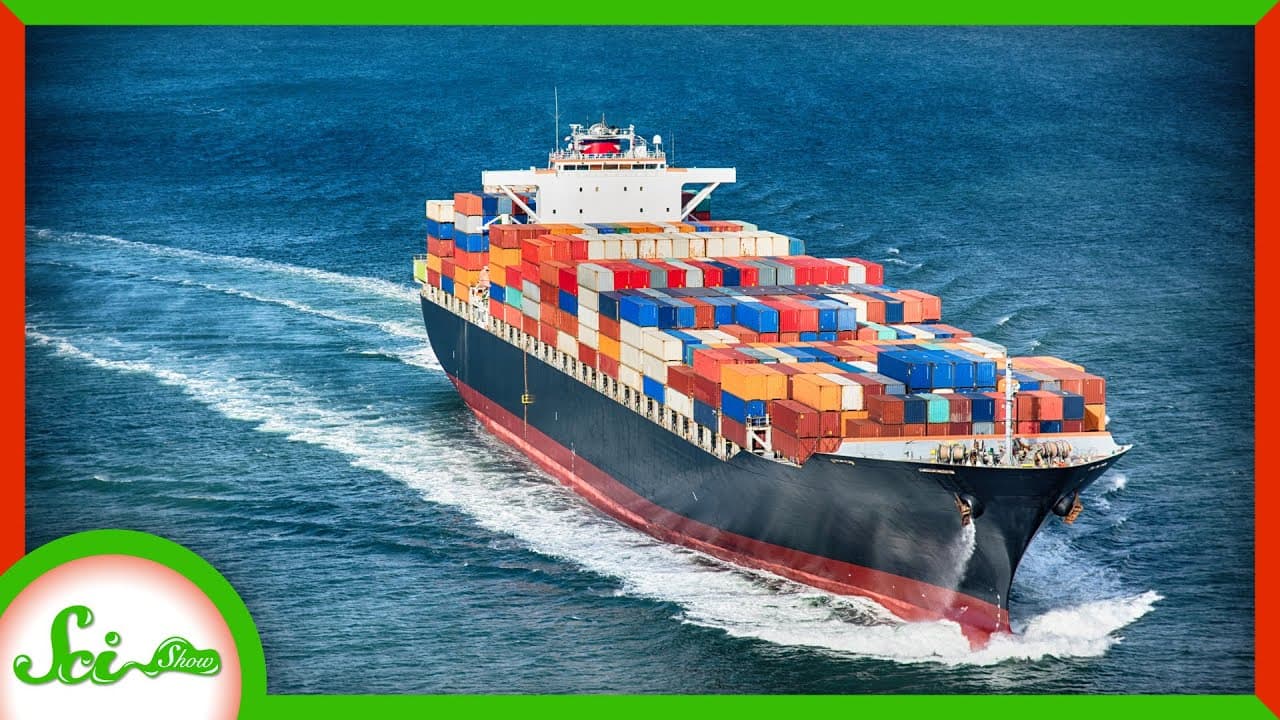
- 📦 Dredging deeper and wider shipping channels to accommodate larger container ships is causing increased flooding in port cities.
- 🤨 Increased channel depth reduces hydraulic drag, allowing tides to travel farther upstream and raise river levels.
- 🥺 Friction reduction in larger channels amplifies resonance, leading to higher tides and more frequent flooding.
- 📦 The National Oceanic and Atmospheric Administration predicts that flooding events related to shipping channels could double or triple in the next decade.
- 🌇 Climate change-driven sea-level rise will further exacerbate flooding in port cities.
- ❓ Nuisance flooding caused by increased tides and flooding could have more costly property damage than natural disasters like hurricanes.
Install to Summarize YouTube Videos and Get Transcripts
Explore YouTube Video Summarizer or Get YouTube Transcript Extractor
Questions & Answers
Q: How have the size of container ships changed over the years?
Container ships have doubled in size over the last decade, leading to the need for deeper and wider shipping channels to accommodate them.
Q: How has Wilmington, North Carolina been affected by increased flooding?
Wilmington has experienced a significant increase in flooding, with 123 more days of floods in 2019 compared to a century earlier, due to the enlarged river channel.
Q: How does reducing hydraulic drag in shipping channels affect tides?
Reducing hydraulic drag allows tides to travel farther upstream, raising the river's level and leading to increased flooding in port cities.
Q: How does friction control resonance and tide height?
Friction suppresses resonance, which occurs when the wavelength of incoming waves matches the size of the channel. Reducing friction increases resonance, resulting in larger waves and higher tides.
Summary & Key Takeaways
-
Port cities are experiencing increased flooding due to the dredging of shipping channels to accommodate larger container ships.
-
The increase in channel depth and width reduces hydraulic drag, allowing tides to travel farther upstream and raise river levels.
-
Friction reduction in larger channels also amplifies resonance, leading to higher tides and more frequent flooding.
Read in Other Languages (beta)
Share This Summary 📚
Summarize YouTube Videos and Get Video Transcripts with 1-Click
Try YouTube Summary with ChatGPT & Claude or YouTube Transcript Generator
Explore More Summaries from SciShow 📚


Summarize YouTube Videos and Get Video Transcripts with 1-Click
Try YouTube Summary with ChatGPT & Claude or YouTube Transcript Generator