Why Stocks Didn’t Crash | Why Cpi Went Insane
TL;DR
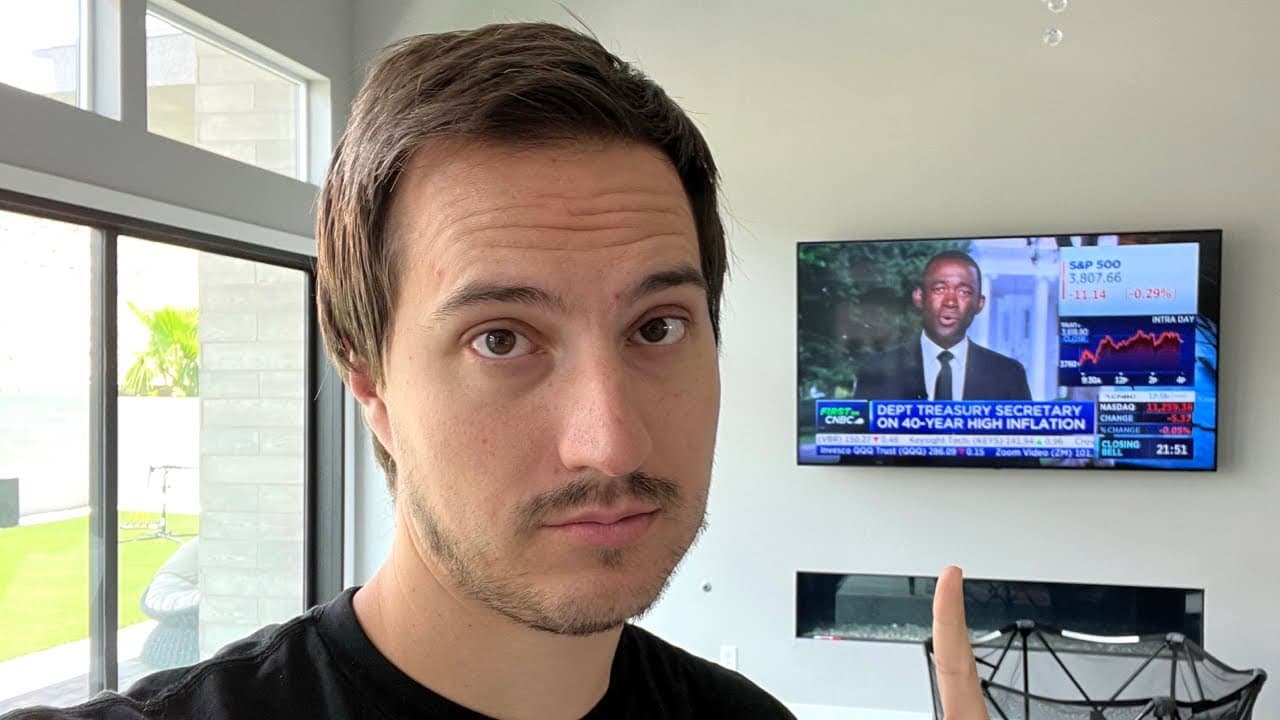
Consumer prices soared by 9.1% in June, surpassing expectations, fueling concerns of inflation and potential interest rate hikes.
Transcript
holy smokers folks is ain't no dang jokers wow do we have a lot to get into here today okay cpi numbers obviously came out um i'm going to talk about what's actually going on there with the cpi numbers everybody's looking at the stock market like wait a minute cpi came in much worse than expected highest numbers in like 41 years why didn't we crash... Read More
Key Insights
- 😋 The CPI numbers revealed a sharp increase in consumer prices, driven by food and energy costs.
- ✋ Wall Street anticipated the high inflation, resulting in a minimal impact on the stock market.
- 🤨 The possibility of a full percentage point rate hike by the Federal Reserve raises concerns about increased borrowing costs.
- ☠️ The drop in the personal savings rate, coupled with rising inflation and interest rates, amplifies recession fears.
- 🧔 Buying opportunities are historically present during recessions and bear markets, highlighting the long-term potential of stock market investments.
- 🫢 Gas prices may moderate in the coming weeks, providing some relief to consumers.
- 🫢 The VIX, a measure of market volatility, is unlikely to reach high levels without a significant shock and awe event.
Install to Summarize YouTube Videos and Get Transcripts
Explore YouTube Video Summarizer or Get YouTube Transcript Extractor
Questions & Answers
Q: Why didn't the stock market crash despite the high CPI numbers?
The market had already priced in the steep inflation, and many anticipate a decline in the rate of increase in the coming months. Additionally, investors are focusing on other concerns such as recession fears and geopolitical tensions.
Q: What were the main drivers of the inflation increase?
Food prices rose by over 10% and energy costs saw a year-over-year increase of over 40%, primarily driven by rising oil and gasoline prices.
Q: How likely is it that the Federal Reserve will raise interest rates by a full percentage point?
The possibility of a full percentage point rate hike is being debated, and if implemented, it could have significant implications for borrowing costs, including auto loans and credit cards.
Q: How might the inflation and interest rate hikes affect the real estate market?
The real estate market is expected to face challenges, especially if interest rates continue to rise. With an average 30-year mortgage rate potentially reaching 6.5-7%, the demand for housing could decline significantly.
Summary & Key Takeaways
-
Consumer prices rose by 9.1% in June, higher than expected, with food and energy costs driving the increase.
-
The stock market did not experience a significant sell-off as the steep inflation was already priced in and many anticipate a decline in the rate of increase in future months.
-
The Federal Reserve may consider a one percentage point rate hike in response to the inflation report, potentially impacting auto loans, credit cards, and overall borrowing costs.
-
The personal savings rate in the United States has dropped to a historically low level, amplifying recession fears amidst rising inflation and higher interest rates.
Read in Other Languages (beta)
Share This Summary 📚
Summarize YouTube Videos and Get Video Transcripts with 1-Click
Try YouTube Summary with ChatGPT & Claude or YouTube Transcript Generator
Explore More Summaries from Financial Education 📚


Summarize YouTube Videos and Get Video Transcripts with 1-Click
Try YouTube Summary with ChatGPT & Claude or YouTube Transcript Generator