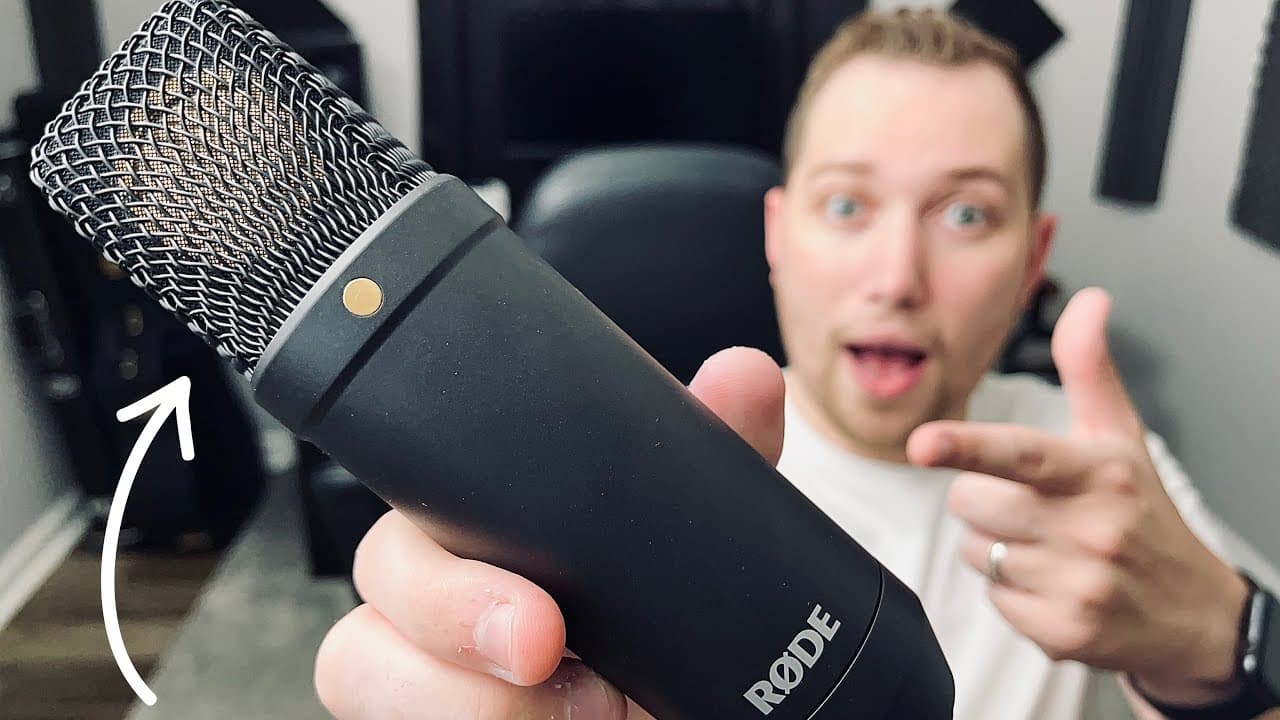
How To MAKE YOUR RODE NT1 SOUND BETTER - The Secret Tips You Need To Know
TL;DR
Tips to enhance recording quality with Rode NT1 microphone.
Transcript
in this video i'm gonna be teaching you how to make your rode nt1 sound better welcome to the home studio academy my name is nolan freitas and my goal today is to help you get better results when recording with your rodent t1 so tip number one is getting good mic placement first i'm going to talk about mic placement in regards to your room and then... Read More
Key Insights
- 👂 Microphone placement is critical for sound quality; the sweet spot is typically in the center of the room.
- 👂 Acoustic treatment such as carpets or panels can effectively minimize sound reflections and enhance recordings.
- 👂 Understanding the Rode NT1's cardioid pattern is essential for optimizing sound capture and reducing background noise.
- 😫 Setting gain levels correctly is vital to avoid clipping, which cannot be fixed post-recording.
- 🥳 Artists should always perform the most dynamic parts of a song when setting gain levels to ensure clarity in recordings.
- ❓ Preparing thoroughly before recording can prevent unnecessary retakes and improve overall performance quality.
- 🆘 Using a metronome during rehearsals helps maintain timing and performance consistency in recording sessions.
Install to Summarize YouTube Videos and Get Transcripts
Explore YouTube Video Summarizer or Get YouTube Transcript Extractor
Questions & Answers
Q: Why is microphone placement so important during recording?
Microphone placement is vital because it directly affects sound quality. Placing the microphone away from walls and corners minimizes reflections that can muddy recordings. Ideal positioning towards the room's center allows for clearer audio. Additionally, orienting the mic to reject background noise optimizes sound capture while reducing unwanted interference.
Q: How should I set the gain level for the Rode NT1?
To set a healthy gain level, connect your Rode NT1 to an audio interface and check that the signal indicator is green or yellow, avoiding the red light that signifies clipping. Aiming for peaks between negative 18 and negative six decibels ensures robust audio without distortion. It's essential to test levels using the most intense parts of the performance for accuracy.
Q: What should an artist do before entering the studio?
Before entering the studio, an artist should know their parts thoroughly, including lyrics, melody, and harmonies. Familiarity with the song reduces anxiety and enhances performance. Practicing with a metronome or click track beforehand helps maintain timing and deliver a strong take, which is crucial for a successful recording session.
Q: What are some common mistakes made when recording vocals?
Common mistakes include poor mic placement, incorrect gain levels, and a lack of preparation from the artist. Not addressing the recording environment can lead to unwanted noise capture, while inadequate gain can cause clipping. Additionally, artists often underestimate the importance of rehearsing their parts, which is vital for a confident performance in the studio.
Summary & Key Takeaways
-
Proper microphone placement is crucial; position it away from walls and corners to avoid sound reflections and enhance recording clarity.
-
Set appropriate gain levels for recording, aiming for the audio to peak between negative 18 and negative six to prevent clipping.
-
Ensure artists are well-prepared and comfortable during recording sessions to capture the best possible performance.
Read in Other Languages (beta)
Share This Summary 📚
Summarize YouTube Videos and Get Video Transcripts with 1-Click
Try YouTube Summary with ChatGPT & Claude or YouTube Transcript Generator
Explore More Summaries from Home Studio Academy 📚
Summarize YouTube Videos and Get Video Transcripts with 1-Click
Try YouTube Summary with ChatGPT & Claude or YouTube Transcript Generator