Does your eLearning Project Need Narration?
TL;DR
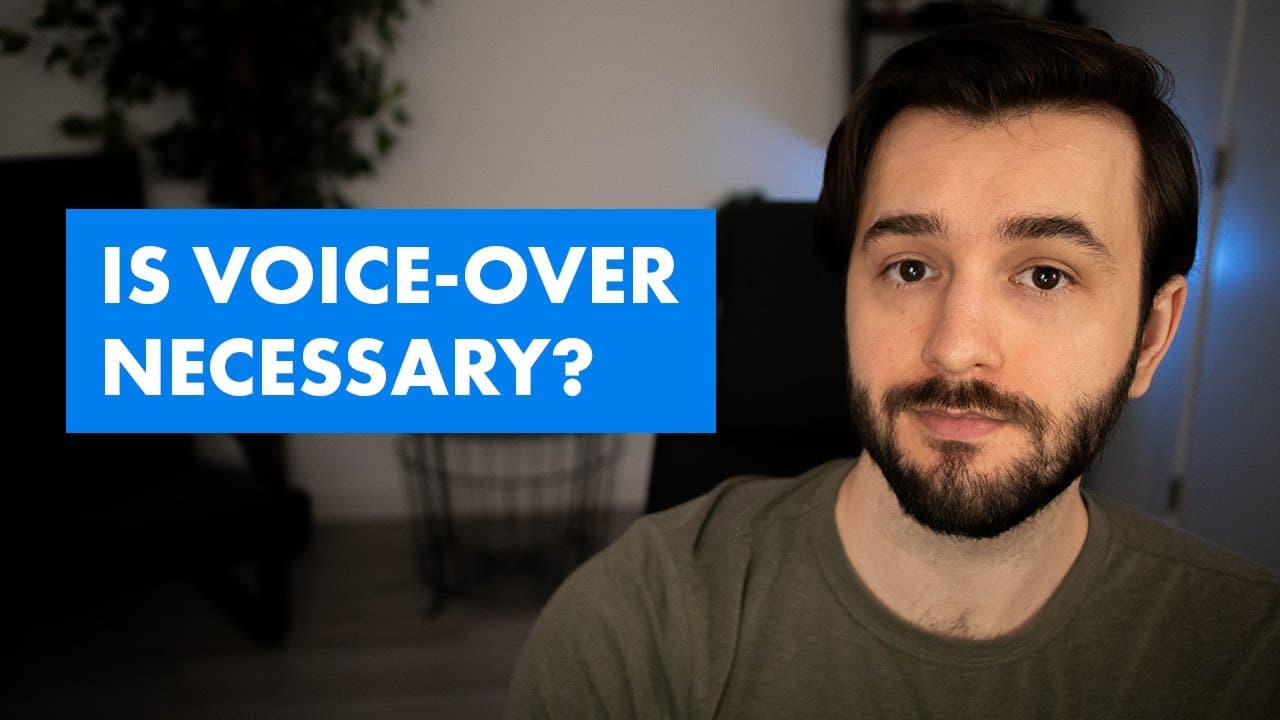
Many instructional designers add narration to e-learning experiences for better engagement, but it can be distracting and limit learner control.
Transcript
many instructional designers and learning teams add narration to their e-learning experiences because they want to bring up that production value and make the experiences more accessible these good intentions however don't always lead to very great results and that's why in this video we'll talk about how you might be able to create a bet... Read More
Key Insights
- 🪜 Adding narration to e-learning experiences is a common practice to enhance engagement and accessibility, but it may not always result in better learning outcomes.
- 🎮 Learners prefer to have control over the pacing of their learning, and prescribed narration can be frustrating.
- 💻 Narrating text on the screen can be distracting and increase cognitive load, hindering the learning process.
- 🆘 Narration is most effective when describing complex visuals or animations, as it helps learners comprehend the content.
- ✋ In high-value animated experiences, narration can add emotional nuance and make the learning more immersive.
- 🫠 Narration is not necessary for text-heavy experiences, as learners can read the information effectively.
- 🪡 Accessibility needs should be considered, and screen readers can provide a better learning experience for those who require them.
Install to Summarize YouTube Videos and Get Transcripts
Explore YouTube Video Summarizer or Get YouTube Transcript Extractor
Questions & Answers
Q: Why do many instructional designers add narration to e-learning experiences?
Many designers believe that narration improves engagement and accessibility, making the learning experience more enjoyable and easier for learners.
Q: What is one problem with narration in e-learning experiences?
Narration can take control away from learners, as they may prefer to learn at their own pace. Prescribed narration can be frustrating for those who want to read the information more quickly.
Q: How does narrating text on the screen affect the learning experience?
Narrating text on the screen can be distracting and increase cognitive load. It can interfere with the process of reading and understanding the information, leading to confusion.
Q: When should narration be used in e-learning experiences?
Narration should be used when complex visuals or animations need to be described, as it helps learners understand the content better. It can also be used in high-value animated experiences where emotional nuance is important.
Summary & Key Takeaways
-
Many instructional designers add narration to e-learning experiences to enhance production value and accessibility, but this may not always lead to great results.
-
Narration can take control away from learners and frustrate them, as they may prefer to read the information at their own pace.
-
Narrating text on the screen can be distracting and increase cognitive load, making it difficult for learners to absorb the information effectively.
Read in Other Languages (beta)
Share This Summary 📚
Summarize YouTube Videos and Get Video Transcripts with 1-Click
Try YouTube Summary with ChatGPT & Claude or YouTube Transcript Generator
Explore More Summaries from Devlin Peck 📚






Summarize YouTube Videos and Get Video Transcripts with 1-Click
Try YouTube Summary with ChatGPT & Claude or YouTube Transcript Generator