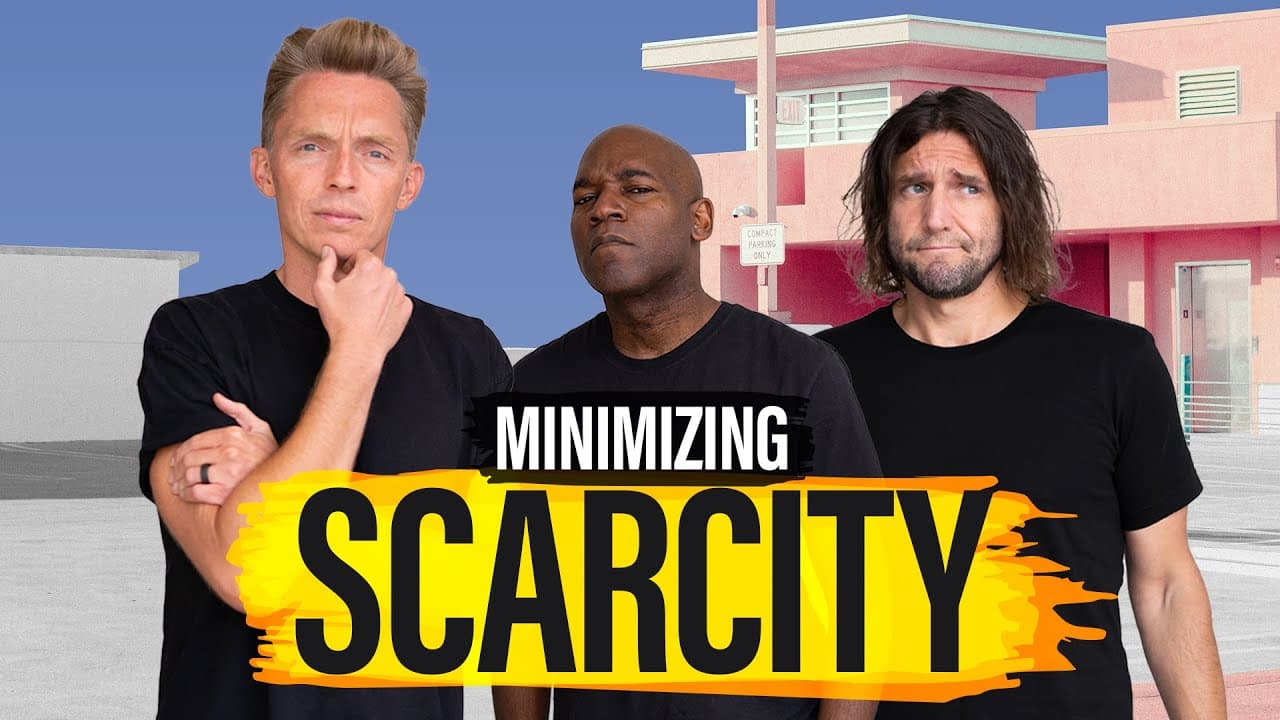
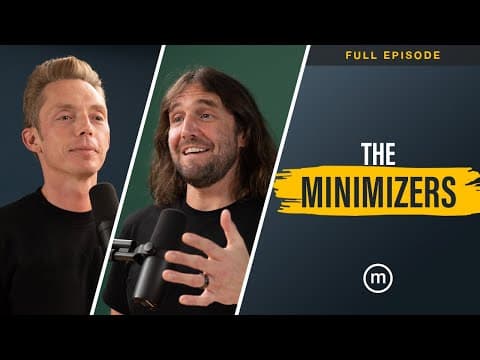
The Scarcity Problem | The Minimalists Ep. 407
TL;DR
The Minimalists discuss abundance mindset and letting go of past residues.
Transcript
what happens as we get more we think we still don't have enough and it's true there are times in our lives where we don't have enough we don't have enough food enough sleep enough water enough time we don't have enough meaningful relationships or meaningful work in our lives and we need more of those things but quite often in our society we already... Read More
Key Insights
- The scarcity mindset is prevalent even in abundance, often requiring subtraction rather than addition to find 'enough'.
- False scarcity stems from cultural values that we internalize as guilt, mistaking it for our conscience.
- Abundance mindset offers freedom by focusing on what truly matters rather than acquiring more.
- Luxury goods often serve as a scam, enticing people to seek identity and happiness through material possessions.
- The mean voice in our head can stem from internalized cultural and societal norms, often not reflecting our true self.
- Letting go of physical remnants, like ashes or possessions, can be a way to honor past relationships while moving forward.
- We often commodify life experiences through material possessions, which can detract from living a meaningful life.
- True wealth is not about accumulation but about creating joy and enriching lives through meaningful relationships with what we have.
Install to Summarize YouTube Videos and Get Transcripts
Explore YouTube Video Summarizer or Get YouTube Transcript Extractor
Questions & Answers
Q: How do I let go of my scarcity mindset so I can enjoy the fruits of my years of hard work and saving?
Letting go of a scarcity mindset involves recognizing that 'enough' often means subtracting rather than adding. It's essential to focus on what truly matters and reassess cultural and societal values that may have been internalized as guilt. By cultivating an abundance mindset, you can enjoy the freedom and fulfillment that comes from appreciating what you have rather than constantly seeking more.
Q: What should I do with my parents’ ashes?
Deciding what to do with a loved one's ashes is a personal choice that should honor your relationship with them. Consider meaningful places or experiences they cherished and spread their ashes there as a way to commemorate them. This can be done over time, allowing you to let go while keeping their memory alive in places of significance.
Q: If luxury goods are a scam, what’s the point of making money?
Money is a tool that can facilitate reaching meaningful destinations, not an end in itself. Luxury goods often promise identity and happiness but can lead to emptiness if they replace genuine fulfillment. Making money should be about acquiring resources to flourish and help others, focusing on creating joy and meaningful relationships rather than mere accumulation.
Q: Where does the mean voice in my head come from?
The mean voice in our heads often stems from internalized cultural and societal norms, reflecting expectations and values that may not align with our true selves. It's crucial to question where these thoughts lead and whether they serve us. By understanding their origins, we can choose to let go of detrimental thoughts and nurture a more compassionate inner dialogue.
Q: How can I differentiate between true scarcity and false scarcity?
True scarcity involves a genuine lack of essential resources like food, water, or meaningful relationships. False scarcity, however, is often a mindset influenced by cultural values and societal pressures, leading us to feel deprived despite having enough. By examining our beliefs and motivations, we can identify and let go of false scarcity, focusing on what genuinely enriches our lives.
Q: What role do cultural influences play in our perception of scarcity?
Cultural influences shape our perception of scarcity by embedding values and expectations that we internalize as guilt or inadequacy. These influences can lead us to prioritize accumulation over meaningful experiences, fostering a sense of deprivation even in abundance. Recognizing and questioning these cultural narratives can help us adopt a more fulfilling and abundance-oriented mindset.
Q: How can we use money as a tool for meaningful living?
Money should be seen as a vehicle for reaching meaningful destinations rather than an end goal. By aligning financial decisions with our values and priorities, we can use money to facilitate experiences and relationships that enrich our lives. This involves questioning our motivations and ensuring that our spending reflects what truly matters to us, rather than societal pressures or material desires.
Q: How can we honor the past while moving forward without being burdened by it?
Honoring the past involves acknowledging its significance while recognizing that clinging to physical remnants, like possessions or ashes, can create a burden. Letting go can be a way to celebrate past relationships and experiences, allowing us to move forward with gratitude and freedom. This process requires reflection and a willingness to release what no longer serves us, making space for new growth and fulfillment.
Summary & Key Takeaways
-
The Minimalists explore the concept of scarcity mindset, emphasizing that finding 'enough' often involves subtraction rather than accumulation. They discuss how cultural norms and internalized guilt contribute to false scarcity, urging listeners to adopt an abundance mindset.
-
Luxury goods are critiqued as a scam that exploits desires for identity and happiness through material possessions. The Minimalists argue that true wealth comes from creating joy and meaningful relationships with what we have, rather than accumulation.
-
The conversation also touches on the mean voice in our heads, suggesting it often reflects internalized societal norms. Letting go of past residues, like ashes or possessions, can honor past relationships while allowing us to move forward meaningfully.
Read in Other Languages (beta)
Share This Summary 📚
Summarize YouTube Videos and Get Video Transcripts with 1-Click
Try YouTube Summary with ChatGPT & Claude or YouTube Transcript Generator
Explore More Summaries from The Minimalists Podcast 📚


Summarize YouTube Videos and Get Video Transcripts with 1-Click
Try YouTube Summary with ChatGPT & Claude or YouTube Transcript Generator