Newton believed in God | Jed Buchwald and Lex Fridman
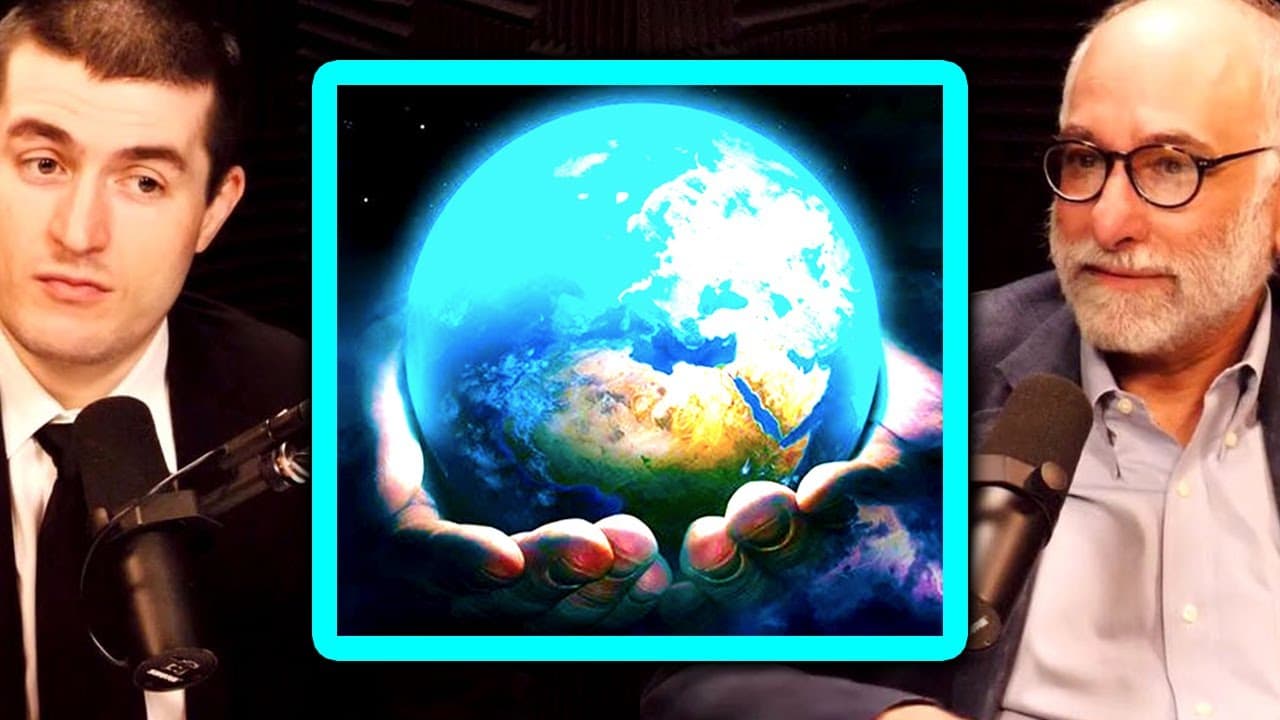
TL;DR
Newton's profound religious beliefs played a significant role in shaping his work and worldview.
Transcript
i can ask you about god religion and its role in newton's life was there helpful constructive or destructive influences of religion in his work and in his life well there you begin to touch on a complex question um the role that god played would be a interesting question to answer should one go and be able to speak with this invisible character who... Read More
Key Insights
- 🖐️ Newton's religious beliefs were deeply ingrained and played a significant role in his view of the world.
- 📏 His conviction in the existence of a divine rule-maker contributed to his pursuit of scientific knowledge.
- 😫 Newton's rejection of miracles and anti-Trinitarian views set him apart from conventional religious beliefs.
- ❓ The influence of his religious upbringing and early experiences heightened his personal connection to his beliefs.
- ❓ Newton's belief in a young Earth reflects his adherence to biblical chronology.
- 🪈 Despite his religious beliefs, Newton's scientific pursuits were driven by a desire to understand the order and precision of the universe.
- 🛝 His faith and scientific curiosity coexisted in his worldview, with the belief in a divine creator grounding his scientific endeavors.
Install to Summarize YouTube Videos and Get Transcripts
Explore YouTube Video Summarizer or Get YouTube Transcript Extractor
Questions & Answers
Q: How did Newton's religious upbringing influence his work?
Newton's religious upbringing, coupled with his personal experiences, intensified his deeply held beliefs. This influenced his pursuit of knowledge and contributed to his strong conviction that the world operates according to a divine plan.
Q: Did Newton believe in miracles?
Newton did not believe in miracles in the traditional sense. He viewed Christ as having certain powers bestowed upon him by God rather than possessing divine essence. Additionally, he doubted the accuracy of biblical accounts of miracles.
Q: How did Newton reconcile his belief in a young Earth with his scientific observations?
Newton's belief in a young Earth stemmed from his biblical interpretation rather than scientific evidence. He did not perceive his scientific discoveries, such as the laws governing celestial bodies, as contradictory to the existence of a divine creator.
Q: How did Newton's anti-Trinitarian views impact his work?
Newton rejected the concept of the Trinity, believing that Christ had certain powers but was not divine. This unconventional religious stance likely influenced his approach to theology and influenced his overall worldview.
Summary & Key Takeaways
-
Newton was deeply religious and found solace in the belief of a governing abstract deity.
-
He did not think miracles occurred after the time of Christ and held anti-Trinitarian views.
-
Newton believed in a young Earth, created approximately 6,000 years ago.
Read in Other Languages (beta)
Share This Summary 📚
Summarize YouTube Videos and Get Video Transcripts with 1-Click
Try YouTube Summary with ChatGPT & Claude or YouTube Transcript Generator
Explore More Summaries from Lex Clips 📚

Summarize YouTube Videos and Get Video Transcripts with 1-Click
Try YouTube Summary with ChatGPT & Claude or YouTube Transcript Generator