What Is Rapamycin and How Does It Extend Lifespan?
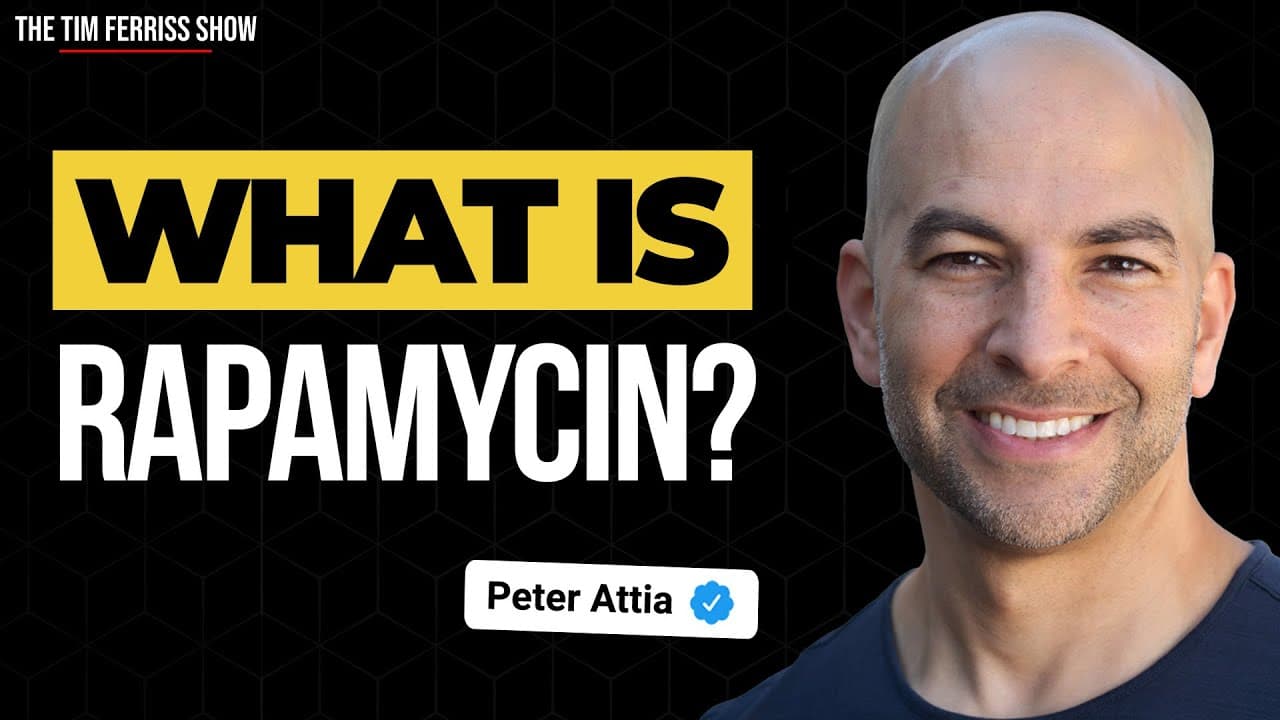
TL;DR
Rapamycin is a drug originally discovered as an anti-fungal agent on Easter Island, known for its ability to inhibit cell proliferation, particularly in lymphocytes. Since its FDA approval for organ transplantation in 1999, studies have shown that it can significantly extend lifespan in animals, with effects documented in rigorous scientific research.
Transcript
so what is rapamycin so rapamycin is a drug that is a naturally occurring uh anti-fungal agent made by a bacteria that was discovered on easter island uh back in the 1960s otherwise known as rapa nui right rapa nui is the correct name for easter island and the bacteria streptomyces hydroscopicus which was discovered there by a group of explorers ex... Read More
Key Insights
- 🇦🇨 Rapamycin was initially discovered as an anti-fungal agent from bacteria found on Easter Island in the 1960s.
- 🤍 Its unique properties made it effective in inhibiting cell proliferation, particularly in white blood cells.
- 👍 Approved for organ transplantation in 1999, rapamycin has since shown remarkable effects on extending lifespan in various animal studies.
- 🐭 The interventions testing program has confirmed rapamycin's ability to significantly increase the lifespan of mice.
- 🤕 Research suggests that rapamycin may have potential applications in enhancing health span and preventing age-related diseases.
- ❓ Studies comparing rapamycin to other drugs like metformin highlight its distinct efficacy in longevity enhancement.
- ❓ Rapamycin's side effects, including aphthous ulcers, are notable, but its benefits in extending lifespan outweigh these concerns.
Install to Summarize YouTube Videos and Get Transcripts
Explore YouTube Video Summarizer or Get YouTube Transcript Extractor
Questions & Answers
Q: What is the origin of rapamycin and how was it discovered?
Rapamycin is a drug derived from bacteria found on Easter Island in the 1960s. It was initially identified as a potent anti-fungal agent by a chemist named Siren Seagal.
Q: How did rapamycin transition from an anti-fungal drug to being approved for organ transplantation?
After its discovery, rapamycin's anti-proliferative properties made it suitable for preventing organ rejection in transplant patients, leading to its FDA approval in 1999.
Q: What significant findings were observed in animal studies regarding rapamycin's impact on lifespan?
Studies, notably the interventions testing program, demonstrated a substantial increase in the lifespan of mice treated with rapamycin, indicating its potential for longevity enhancement.
Q: How does rapamycin compare to other drugs like metformin in terms of lifespan extension?
Unlike metformin, rapamycin has shown consistent results in extending lifespan in animal studies, making it a promising candidate for age-related interventions.
Summary & Key Takeaways
-
Rapamycin, a drug discovered on Easter Island, was initially developed as an anti-fungal agent.
-
Its unique properties were found to be effective in inhibiting cell proliferation, especially in lymphocytes.
-
Approved for organ transplantation in 1999, rapamycin has shown promising results in extending lifespan in animal studies.
Read in Other Languages (beta)
Share This Summary 📚
Summarize YouTube Videos and Get Video Transcripts with 1-Click
Try YouTube Summary with ChatGPT & Claude or YouTube Transcript Generator
Explore More Summaries from Tim Ferriss 📚






Summarize YouTube Videos and Get Video Transcripts with 1-Click
Try YouTube Summary with ChatGPT & Claude or YouTube Transcript Generator