What Is Import Substitution Industrialization in Mexico?
TL;DR
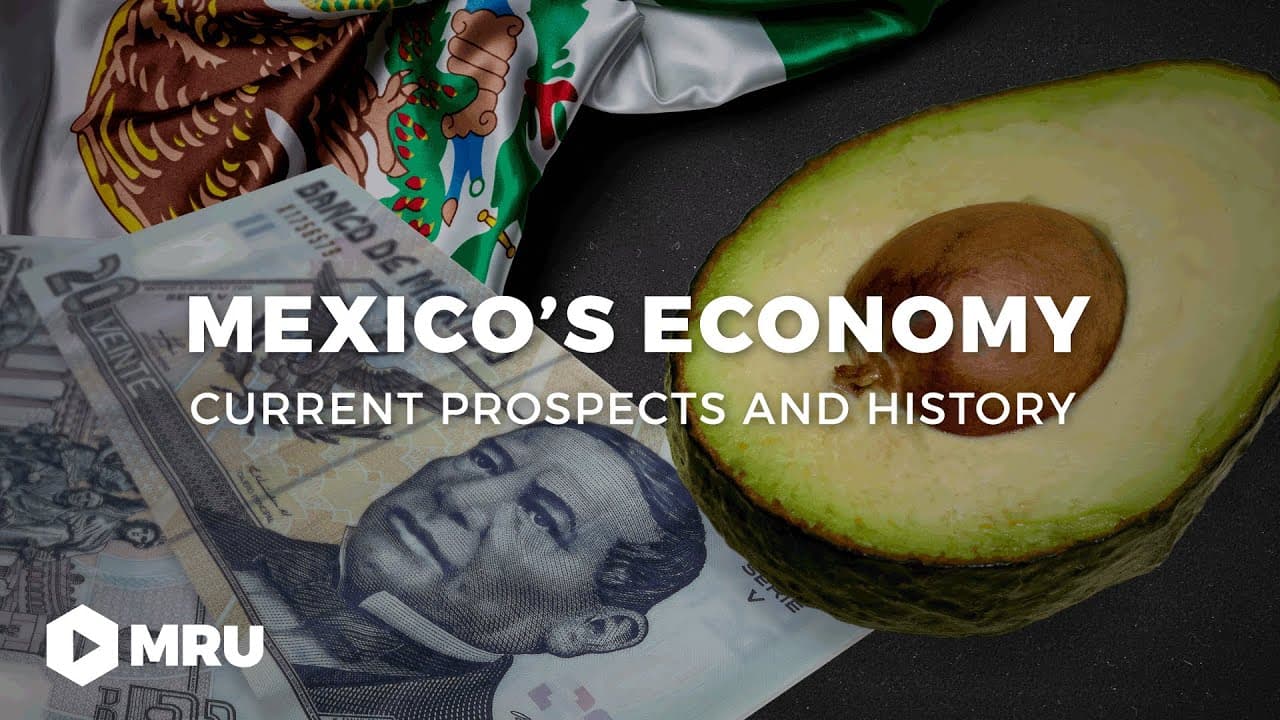
Import substitution industrialization in Mexico aimed to foster domestic industries and reduce reliance on foreign imports, starting in the 1930s. Despite initial intentions, protectionist policies led to inefficiencies, monopolies, and stagnant innovation, as protected industries failed to mature and adapt to competition.
Transcript
before the 1930s the Mexican government never had a real coherent plan for industrialization the economy was primarily rural and agricultural and most growth was driven by the export of commodities especially precious metals like silver export led growth that is reliant on the export of commodities to fuel overall domestic GDP growth is typically a... Read More
Key Insights
- Before the 1930s, Mexico's economy was primarily rural and reliant on commodity exports, particularly silver, for growth.
- In the 1930s, Mexico adopted import substitution industrialization, focusing on fostering domestic manufacturing to reduce reliance on imports.
- Alexander Hamilton advocated for protecting infant industries with tariffs or import restrictions to help them compete against established foreign firms.
- Argentine economist Raul Prebisch expanded on Hamilton's ideas, arguing that commodity-dependent growth was unsustainable for Latin American countries.
- Commodity prices are volatile, making it difficult for governments reliant on commodity exports to plan budgets and economic growth.
- Mexico's import substitution policies led to increased state involvement in industries such as steel, telecommunications, and electricity.
- By the 1960s, Mexico had high protection rates, with 80% of imports requiring government licenses by 1970.
- The protectionist policies resulted in inefficiencies, monopolies, and a lack of innovation, as industries remained shielded from competition.
Install to Summarize YouTube Videos and Get Transcripts
Explore YouTube Video Summarizer or Get YouTube Transcript Extractor
Questions & Answers
Q: What economic model did Mexico follow before the 1930s?
Before the 1930s, Mexico's economy was primarily rural and agricultural, relying heavily on the export of commodities like silver for growth. This export-led growth model favored open and free trade policies, which allowed Mexico to integrate into the global market by exporting its natural resources.
Q: What is import substitution industrialization?
Import substitution industrialization is an economic policy aimed at reducing dependency on foreign imports by fostering domestic industries. This involves government intervention through tariffs, quotas, and other measures to protect nascent industries until they become competitive. The goal is to develop a self-sufficient economy with a diverse industrial base.
Q: Why did Raul Prebisch argue against commodity-driven growth?
Raul Prebisch argued that commodity-driven growth was unsustainable because the terms of trade for Latin American countries would decline over time. As richer countries grew, their demand for commodities did not increase proportionally, leaving commodity-exporting countries unable to keep pace. Additionally, commodity prices are volatile, complicating economic planning.
Q: What challenges did Mexico face with its protectionist policies?
Mexico's protectionist policies led to several challenges, including the creation of monopolies and inefficiencies in protected industries. These industries became reliant on government protection and failed to innovate or improve product quality. The lack of competition resulted in high prices and poor customer service, ultimately hindering economic growth and development.
Q: How did Mexico's import substitution policies affect its economy by the 1970s?
By the 1970s, Mexico's import substitution policies had expanded significantly, with 80% of imports requiring government licenses. This extensive protectionism stifled competition, leading to inefficiencies and a lack of innovation in domestic industries. The economy became burdened by monopolies and high prices, which negatively impacted consumer welfare and economic dynamism.
Q: What role did state enterprises play in Mexico's economy during import substitution?
During the import substitution period, state enterprises played a significant role in Mexico's economy. The government established public enterprises in key industries such as steel, telecommunications, and electricity. However, these state-run entities often suffered from inefficiencies and high costs, with public sector expenditures representing a large portion of GDP by the 1980s.
Q: What is the concept of dynamic comparative advantage?
Dynamic comparative advantage refers to the idea that a country's comparative advantage can change over time as it invests in human capital and develops new skills and industries. Unlike static comparative advantage, which is based on existing resources and capabilities, dynamic comparative advantage emphasizes the potential for growth and innovation through education and infrastructure development.
Q: How did synthetic substitutes impact Latin American exports?
Synthetic substitutes significantly impacted Latin American exports by reducing demand for natural commodities. For example, Chile faced a severe economic crisis when German scientists developed a synthetic substitute for nitrates, which were a major export. This vulnerability to technological advancements in other countries highlighted the risks of relying on a narrow range of export goods.
Summary & Key Takeaways
-
In the 1930s, Mexico transitioned from an export-led growth model to import substitution industrialization, aiming to develop domestic industries and reduce reliance on imports. This shift was influenced by economic theories advocating for protectionist measures to support infant industries and address the volatility of commodity-dependent growth.
-
Raul Prebisch's arguments against commodity-driven growth highlighted the unsustainability of relying on exports like bananas, which do not grow proportionally with rich countries' economic growth. Additionally, Latin America's under-diversified export markets made them vulnerable to external shocks and synthetic substitutes for their goods.
-
Despite the initial goals of import substitution, Mexico's protectionist policies led to inefficiencies and monopolies, as industries failed to mature and innovate. By the 1970s, a significant portion of imports required government licenses, resulting in high prices, lower quality goods, and poor customer service due to lack of competition.
Read in Other Languages (beta)
Share This Summary 📚
Summarize YouTube Videos and Get Video Transcripts with 1-Click
Try YouTube Summary with ChatGPT & Claude or YouTube Transcript Generator
Explore More Summaries from Marginal Revolution University 📚

Summarize YouTube Videos and Get Video Transcripts with 1-Click
Try YouTube Summary with ChatGPT & Claude or YouTube Transcript Generator