Why Did Nigeria's Economy Shrink by 50%?
TL;DR
Nigeria, once predicted to be the fastest-growing economy, has faced a severe economic decline since 2014. The decline is due to corruption, regional conflicts, and reliance on oil exports. To recover, Nigeria needs to improve governance, diversify its economy, and restore international trust to attract investment.
Transcript
Nigeria is home to one of the largest populations and economies in all of Africa. That combined with a wealth of natural resources, a good position for global trade across the Atlantic and a surprisingly diverse economic foundation, means that a lot of economists find the country incredibly exciting as an economic hub that the rest of the region co... Read More
Key Insights
- Nigeria was once predicted to be the fastest-growing economy in the world.
- Since 2014, Nigeria's economy has shrunk by nearly 50%, largely due to falling oil prices.
- Corruption and regional conflicts have severely hindered Nigeria's economic potential.
- Nigeria's economy relies heavily on oil, which accounts for the majority of its export revenue.
- The country's agricultural sector employs 70% of the labor force but remains underdeveloped.
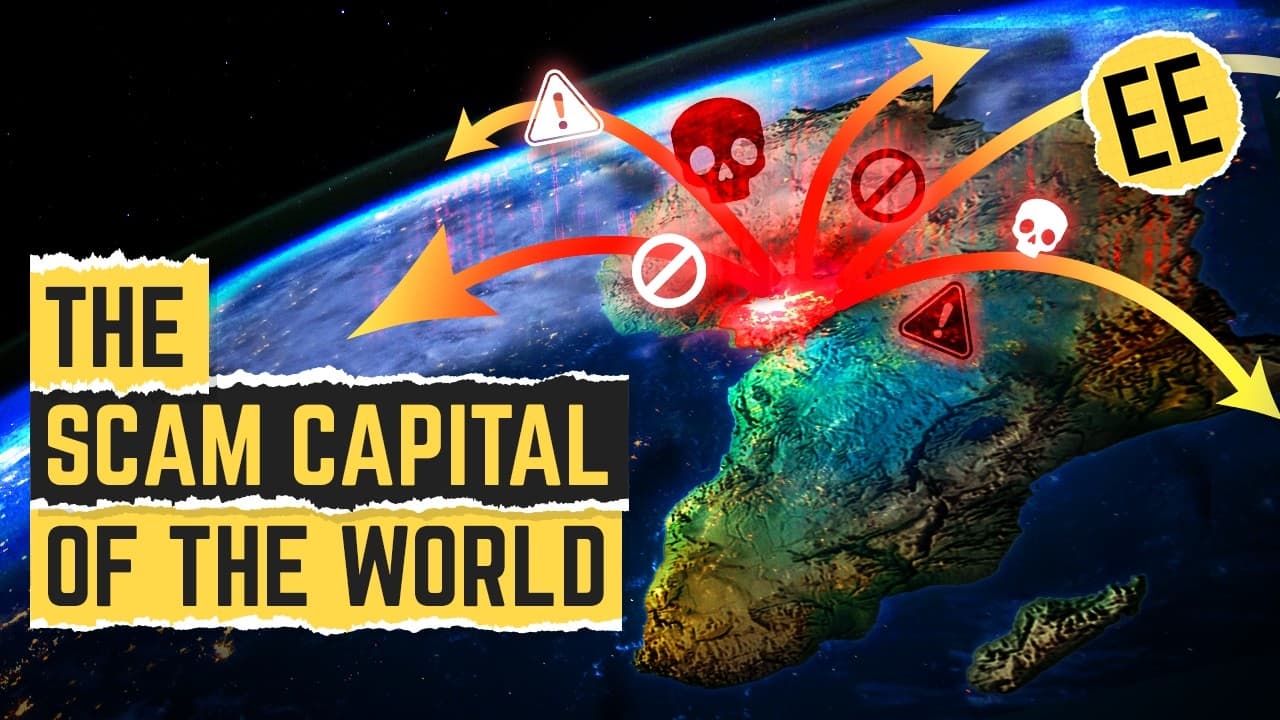
- Nigeria's reputation for scams has deterred foreign investment, impacting economic growth.
- The digital divide has widened literacy gaps, affecting the country's development.
- Improving infrastructure and governance could help Nigeria regain its economic standing.
Install to Summarize YouTube Videos and Get Transcripts
Explore YouTube Video Summarizer or Get YouTube Transcript Extractor
Questions & Answers
Q: How did Nigeria's economy shrink by 50%?
Nigeria's economy shrank by 50% due to a combination of falling oil prices, corruption, and regional conflicts. The country's heavy reliance on oil exports made it vulnerable to fluctuations in global oil prices. Additionally, corruption and regional conflicts have hindered economic growth and deterred foreign investment, exacerbating the economic decline.
Q: What are the main challenges facing Nigeria's economy?
The main challenges facing Nigeria's economy include corruption, regional conflicts, and a heavy reliance on oil exports. These issues have led to economic instability and deterred foreign investment. Additionally, the country's agricultural sector remains underdeveloped, and the digital divide has widened literacy gaps, affecting overall development.
Q: How can Nigeria recover its economic standing?
To recover its economic standing, Nigeria must address corruption, improve governance, and diversify its economy beyond oil exports. Investing in infrastructure, developing the agricultural sector, and restoring international trust to attract foreign investment are crucial steps. Improving education and reducing the digital divide will also support long-term economic growth.
Q: Why is Nigeria's reliance on oil problematic?
Nigeria's reliance on oil is problematic because it makes the economy vulnerable to fluctuations in global oil prices. When prices fall, as they did between 2014 and 2016, it causes significant economic instability. Additionally, over-reliance on a single export limits diversification and innovation in other sectors, hindering overall economic growth.
Q: What impact has corruption had on Nigeria's economy?
Corruption has severely impacted Nigeria's economy by undermining governance, deterring foreign investment, and misallocating resources. It has led to inefficiencies in public services and infrastructure development, exacerbating economic challenges. Corruption also fuels regional conflicts, further destabilizing the economy and hindering growth and development.
Q: How does regional conflict affect Nigeria's economy?
Regional conflict affects Nigeria's economy by creating instability, deterring investment, and disrupting economic activities. Conflicts, particularly in the northern regions, exacerbate poverty and unemployment, leading to further social unrest. This instability undermines efforts to develop infrastructure and diversify the economy, hindering long-term growth prospects.
Q: What role does agriculture play in Nigeria's economy?
Agriculture plays a significant role in Nigeria's economy, employing about 70% of the labor force. However, the sector remains underdeveloped due to inadequate infrastructure, poor pricing policies, and limited access to technology. Improving agricultural productivity through investment in irrigation, fertilizers, and training could significantly boost economic growth and reduce poverty.
Q: How has Nigeria's reputation for scams affected its economy?
Nigeria's reputation for scams has negatively affected its economy by deterring foreign investment and damaging international trust. The prevalence of scams, such as the infamous 'Nigerian Prince' emails, has created a perception of risk, discouraging businesses and investors from engaging with the country. This reputation hinders efforts to attract the investment needed for economic growth and development.
Summary & Key Takeaways
-
Nigeria was once seen as a potential economic powerhouse, but its economy has faced a significant decline since 2014. The decline is attributed to corruption, regional conflicts, and over-reliance on oil exports. To reverse this trend, Nigeria must improve governance, diversify its economy, and restore international trust to attract investment.
-
Despite its potential, Nigeria's economy is plagued by issues such as corruption, regional conflicts, and a heavy reliance on oil exports. These factors have led to a significant economic decline since 2014. Addressing these challenges and improving infrastructure could help Nigeria regain its economic standing.
-
Nigeria's economic decline since 2014 is a result of corruption, regional conflicts, and dependence on oil exports. To recover, Nigeria needs to improve governance, diversify its economy, and restore international trust to attract investment. These changes could help Nigeria regain its position as a leading African economy.
Read in Other Languages (beta)
Share This Summary 📚
Summarize YouTube Videos and Get Video Transcripts with 1-Click
Try YouTube Summary with ChatGPT & Claude or YouTube Transcript Generator
Explore More Summaries from Economics Explained 📚



Summarize YouTube Videos and Get Video Transcripts with 1-Click
Try YouTube Summary with ChatGPT & Claude or YouTube Transcript Generator