Not Your Average Episode | See, The Thing Is
TL;DR
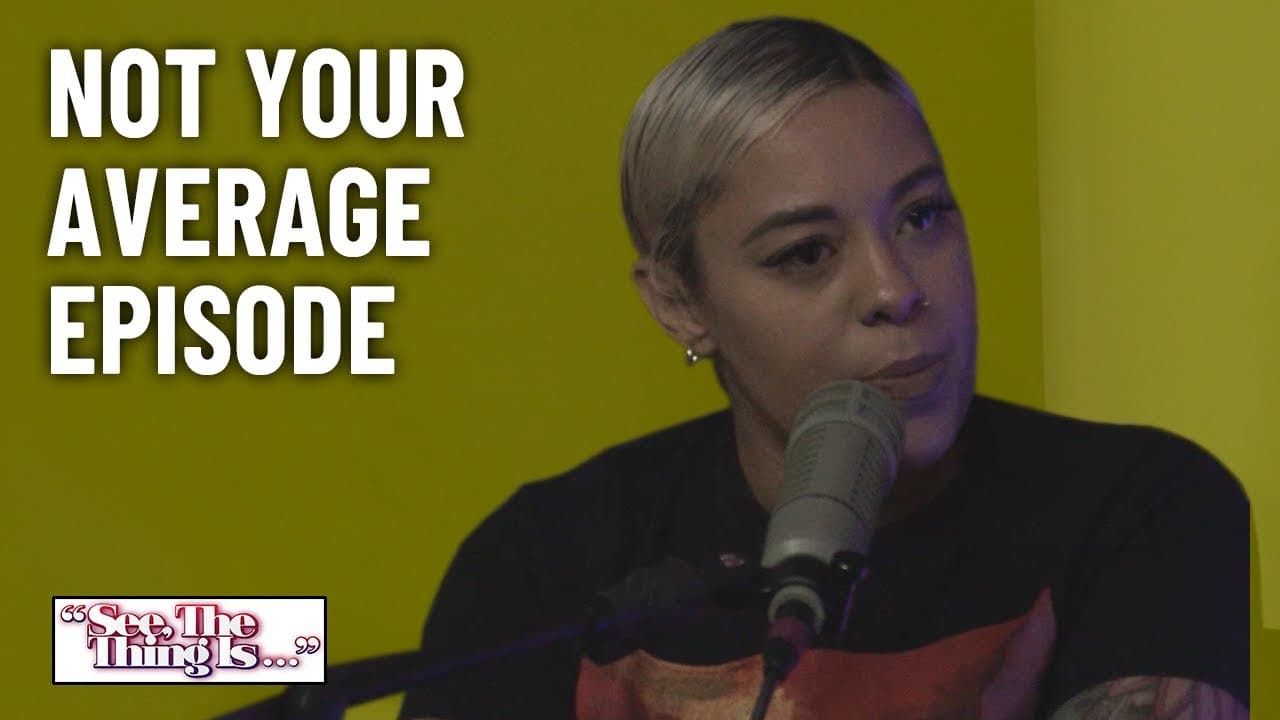
A discussion highlighting the importance of redefining strength, especially in the context of mental health and emotional well-being.
Transcript
we've all had an interesting last year and a half to be frank but uh yeah yeah yeah guys uh this won't be your average i guess see the thing is episode as you guys know uh last week we spoke to it being mental health awareness month yeah um i do want to thank all of you guys as well who sent all of your condolences uh to me and my family i do want ... Read More
Key Insights
- 🥺 The pandemic has prompted many to reassess their mental health and emotional well-being, leading to conversations around vulnerability and support.
- 😑 Expressing gratitude and acknowledging emotional struggles can strengthen personal relationships and foster community bonds.
- ⌛ Therapy is portrayed as a valuable resource in understanding oneself better and overcoming emotional challenges, especially during tumultuous times.
- 😑 The notion of a 'strong black woman' has often been weaponized, requiring a collective effort to redefine it to include vulnerability and emotional expression.
- 😑 Emotional expression is essential for personal growth and should not be seen as a weakness but rather as a component of strength.
- 😑 Men face social pressures that often prevent them from expressing emotions, indicating the need for a cultural shift towards acceptance of vulnerability among all genders.
- 📶 Redefining strength can be a transformational effort, promoting deeper connections, understanding, and resilience within marginalized communities.
Install to Summarize YouTube Videos and Get Transcripts
Explore YouTube Video Summarizer or Get YouTube Transcript Extractor
Questions & Answers
Q: Why is it important to discuss mental health in conversations about strength?
Discussing mental health is crucial because it illuminates the often-unspoken struggles people face, particularly those in marginalized communities. Highlighting mental health as part of the conversation surrounding strength can foster a more nuanced understanding of what being strong truly means, moving beyond stereotypes that equate strength with emotional stoicism.
Q: How have societal expectations affected men's expression of emotions?
Societal pressures often dictate that men should be stoic and unyielding, discouraging emotional vulnerability. This culture can lead to detrimental outcomes, as men may suppress vital feelings instead of seeking help or expressing themselves. Acknowledging and embracing emotional openness can contribute to healthier mental states and more meaningful relationships.
Q: What role does therapy play in emotional self-discovery?
Therapy offers a safe and structured environment for individuals to explore their feelings, processes, and experiences. It provides guidance and tools to navigate emotional challenges while promoting self-awareness and personal growth. Engaging with a therapist can empower individuals to unpack complex emotions and find healthy coping mechanisms.
Q: In what ways can we redefine what it means to be a 'strong black woman'?
Redefining the concept of a 'strong black woman' involves acknowledging that strength encompasses vulnerability, emotional honesty, and self-care. It means recognizing that asking for help or showing emotion does not diminish strength but rather contributes to a deeper resilience and ability to navigate life's challenges.
Q: Why is it crucial for both men and women to embrace their emotions?
Embracing emotions allows individuals to process experiences fully, leading to genuine connections and healthier mental states. For both men and women, acknowledging emotions can dismantle harmful stereotypes, promoting a culture that values vulnerability and emotional intelligence, ultimately contributing to improved interpersonal relationships.
Q: How can we combat the separation often created by societal labels like 'strong'?
Combatting separation from societal labels requires fostering open dialogue and understanding among individuals. By promoting emotional vulnerability and shared experiences, communities can challenge the stigma associated with these labels, encouraging unity and collective healing rather than division based on perceived strength or weakness.
Q: What challenges do strong black women face that may differ from others?
Strong black women often navigate the dual burden of high expectations related to their strength while battling stereotypes that may diminish their emotional experiences. These challenges can lead to feelings of isolation and pressure to embody resilience constantly, which may hinder their ability to acknowledge their own vulnerability.
Q: How can this conversation lead to better support systems for mental health?
Engaging in conversations about mental health can raise awareness and foster empathy within communities. By redefining strength and encouraging openness, individuals can create more supportive environments that prioritize emotional well-being, enabling people to seek help without stigmatization and building stronger networks of care.
Summary & Key Takeaways
-
The conversation centers around the experiences of emotional struggles during the pandemic and the journey towards understanding mental health better, particularly for men and strong black women.
-
The hosts express gratitude for the support received during tough times and emphasize the importance of therapy and emotional expression for healing and personal growth.
-
The podcast highlights the need to redefine 'strength' in the context of women, particularly strong black women, and encourages embracing vulnerability as a source of true strength.
Read in Other Languages (beta)
Share This Summary 📚
Summarize YouTube Videos and Get Video Transcripts with 1-Click
Try YouTube Summary with ChatGPT & Claude or YouTube Transcript Generator
Explore More Summaries from Joe Budden TV 📚




Summarize YouTube Videos and Get Video Transcripts with 1-Click
Try YouTube Summary with ChatGPT & Claude or YouTube Transcript Generator