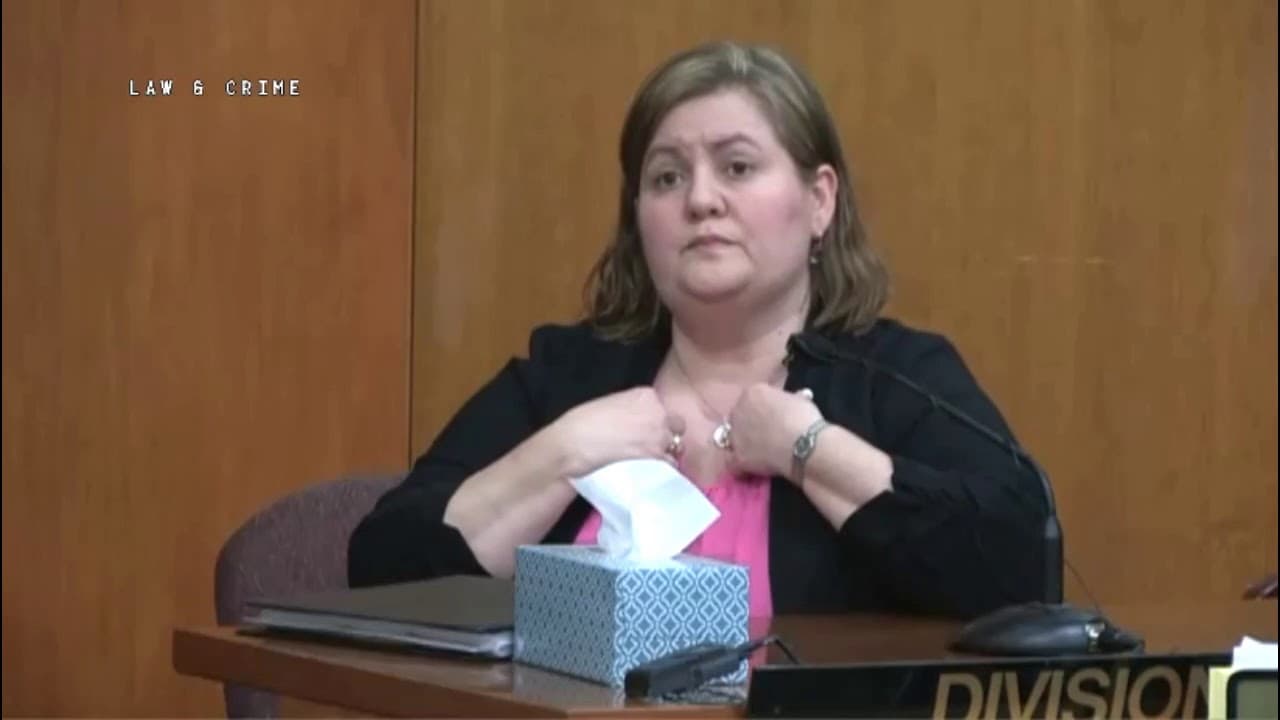
Yesenia Sesmas Trial Day 2 Part 4 DNA Expert Sarah Geering Testifies
TL;DR
Forensic scientist discusses DNA analysis methods, job requirements, and accreditation processes.
Transcript
permission required our good afternoon could you introduce yourself to the jury my name is Sara Deering where do you work I work at the Sedgwick County Regional Forensic Science Center what do you do with the regional Forensic Science there I'm a forensic scientist in the DNA lab what does it take to become a forensic scientist the job requirements... Read More
Key Insights
- 💦 Forensic scientists require bachelor's and master's degrees in natural sciences for DNA analysis work.
- 🥼 Quality assurance in forensic labs involves regular audits and proficiency testing for accuracy.
- 😵 Preventing cross-contamination is crucial in DNA analysis through strict protocols and cleaning procedures.
- 🌍 Accredited forensic labs follow national standards and undergo periodic reviews for quality control.
- 🧬 DNA profiles are compared to establish paternity or maternity relationships.
- 🧑🔬 Proficiency testing and ongoing training are essential for forensic scientists to maintain expertise.
- 🐚 Obtaining DNA profiles from items like doorknobs and shell casings can help in criminal investigations.
Install to Summarize YouTube Videos and Get Transcripts
Explore YouTube Video Summarizer or Get YouTube Transcript Extractor
Questions & Answers
Q: What are the job requirements to become a forensic scientist?
Job requirements include a bachelor's degree in a natural science like biology or chemistry, with additional training and proficiency testing in forensic DNA analysis.
Q: How does a forensic scientist prevent cross-contamination in the lab?
To avoid cross-contamination, scientists use strict protocols like handling one piece of evidence at a time, decontaminating workspaces, and wearing personal protective gear.
Q: What accreditation process does a forensic lab go through?
Forensic labs voluntarily submit to accreditation by national bodies to ensure adherence to national standards, policies, and procedures for quality assurance.
Q: How does a forensic scientist determine the paternity or maternity relationship between individuals?
By comparing DNA profiles, scientists can determine relationships based on genetic markers shared between parents and potential offspring.
Summary & Key Takeaways
-
Sara Deering, a forensic scientist at Sedgwick County Regional Forensic Science Center, specializes in DNA analysis.
-
She discusses job requirements, accreditation processes, and expertise needed in forensic science.
-
Detailed insights into DNA analysis procedures, proficiency testing, and expert witness testimonies.
Read in Other Languages (beta)
Share This Summary 📚
Summarize YouTube Videos and Get Video Transcripts with 1-Click
Try YouTube Summary with ChatGPT & Claude or YouTube Transcript Generator
Explore More Summaries from Law&Crime Network 📚


Summarize YouTube Videos and Get Video Transcripts with 1-Click
Try YouTube Summary with ChatGPT & Claude or YouTube Transcript Generator