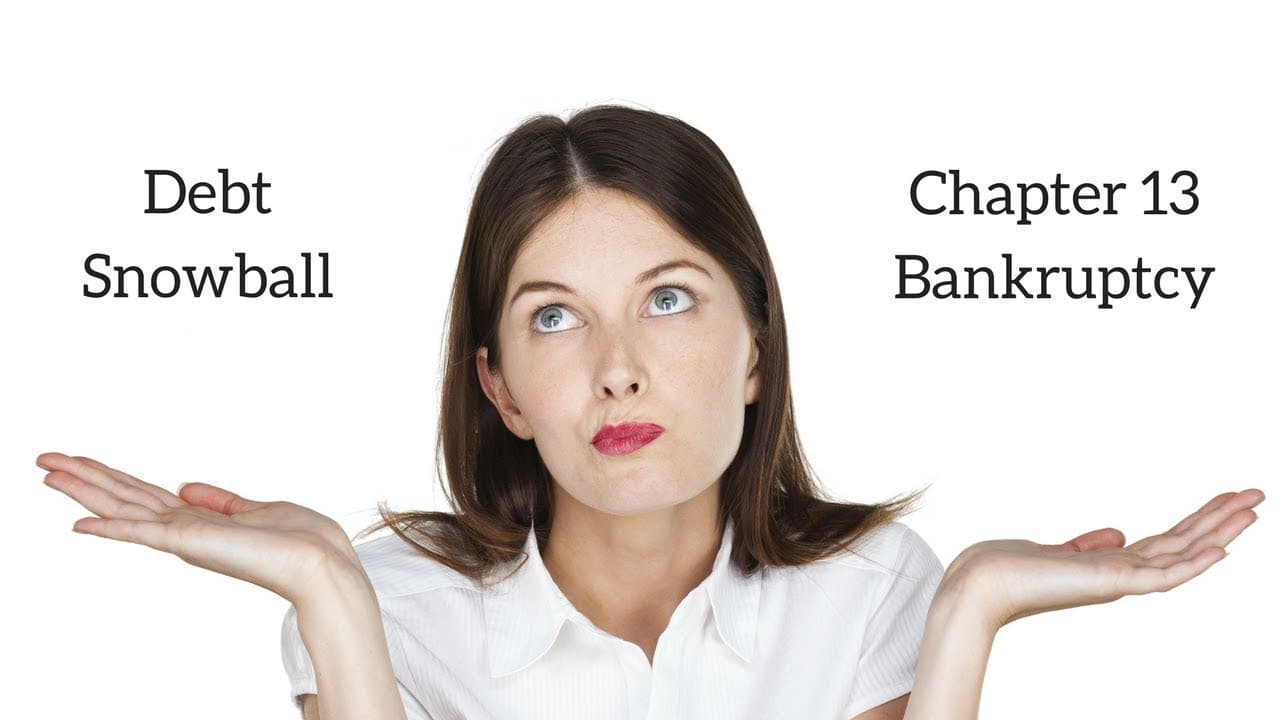
Chapter 13 Bankruptcy vs. Debt Snowball: Which Is Better?
TL;DR
Chapter 13 bankruptcy is ideal for those facing financial crises, as it provides legal protection and forces creditors to accept a repayment plan over five years. In contrast, the debt snowball method allows for more flexibility by paying off debts from smallest to largest without court involvement, but it lacks legal protection and may require negotiating with creditors. The choice between the two depends on individual financial circumstances.
Transcript
(uptempo guitar music) - Hey everybody, welcome back to the Consumer Warrior podcast. Podcast is dedicated to helping you with your big debt problems. If you're just dabbling in debt, this isn't the podcast for you. We deal with the big debt problems like repossession, debt collection lawsuit, foreclosure, bankruptcy and all those other horrible fi... Read More
Key Insights
- 🌱 Chapter 13 bankruptcy is a long process that requires individuals to propose a repayment plan and make monthly payments to creditors for five years.
- 💦 Chapter 13 bankruptcy provides legal protection from collection efforts and forces creditors to work with individuals.
- ⬛ The debt snowball method involves paying off debts from smallest to largest, allowing for quicker debt elimination but lacking legal protection and creditor cooperation.
- 🤗 Chapter 13 bankruptcy is suitable for those facing a financial crisis, such as foreclosure, while the debt snowball method is suitable for individuals with open communication with creditors and a disciplined approach to debt repayment.
- 🥅 Both methods have their advantages and disadvantages, and the choice depends on an individual's specific financial situation and goals.
- 💼 Hiring an attorney is essential for successfully navigating a Chapter 13 bankruptcy case, while the debt snowball method can be pursued independently.
- 🔡 Chapter 13 bankruptcy cases have historically low success rates, while the debt snowball method's success depends on an individual's discipline and ability to negotiate with creditors.
Install to Summarize YouTube Videos and Get Transcripts
Explore YouTube Video Summarizer or Get YouTube Transcript Extractor
Questions & Answers
Q: What is Chapter 13 bankruptcy, and how does it work?
Chapter 13 bankruptcy is a legal process where individuals propose a repayment plan to their creditors, paying a set amount each month for five years. At the end of the period, any remaining balance owed to unsecured creditors is eliminated.
Q: Why do some people choose Chapter 13 bankruptcy over Chapter 7?
Some individuals are required to file Chapter 13 if their income exceeds a certain threshold or if they do not qualify for Chapter 7. Chapter 13 also allows homeowners to stop foreclosures and catch up on mortgage payments over time.
Q: What are the advantages of the debt snowball method?
The debt snowball method offers flexibility, as it does not require bankruptcy or court involvement. It allows individuals to pay off their debts relatively quickly by starting with small debts and progressively increasing payments to larger debts.
Q: What are the drawbacks of the debt snowball method?
The debt snowball method lacks the legal protection and forced creditor cooperation that Chapter 13 bankruptcy provides. Creditors may refuse to negotiate settlements, and individuals may end up paying close to the full amount owed.
Summary & Key Takeaways
-
Chapter 13 bankruptcy is a five-year process where individuals propose a plan to pay a set dollar amount each month to their creditors, with any remaining balance being eliminated after the five years. It forces creditors to work with you and provides legal protection from collection efforts.
-
The debt snowball method involves paying off debts from smallest to largest, using the money previously dedicated to the paid-off debts to accelerate payments to larger debts. It does not require bankruptcy and offers more flexibility but lacks legal protection and may require negotiations with creditors.
Read in Other Languages (beta)
Share This Summary 📚
Summarize YouTube Videos and Get Video Transcripts with 1-Click
Try YouTube Summary with ChatGPT & Claude or YouTube Transcript Generator
Explore More Summaries from Consumer Warrior 📚
Summarize YouTube Videos and Get Video Transcripts with 1-Click
Try YouTube Summary with ChatGPT & Claude or YouTube Transcript Generator