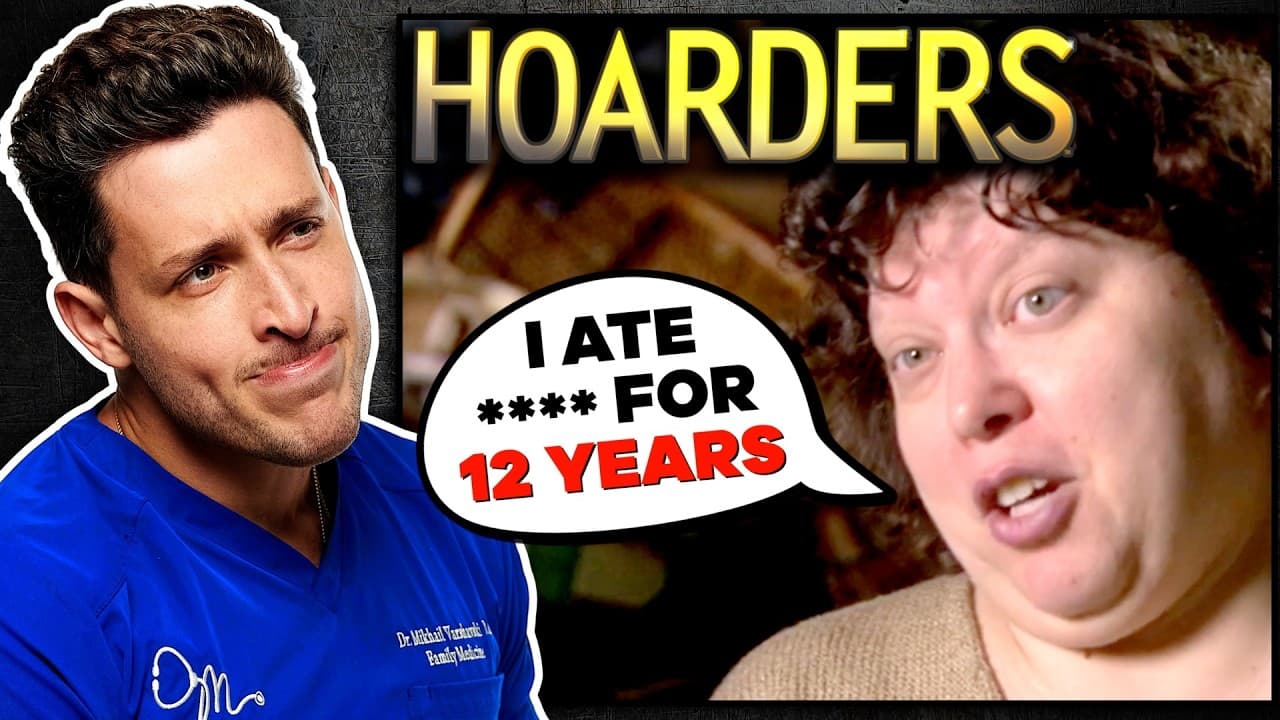
Doctor Reacts To Shocking Hoarders Episode
TL;DR
Hoarding disorder is a complex condition requiring intervention for health and safety improvements.
Transcript
- Hoarding disorder is an actual medical condition found on DSM-5, and there is a show called "Hoarders." So I thought we'd watch one of the episodes. Gotta give you a heads up. A lot of poor sanitation will be visualized here. So if you have a weak stomach, just be aware. Let's get started. - There was an anonymous neighbor who looked over the fen... Read More
Key Insights
- 🪡 Hoarding disorder is officially recognized as a separate condition from OCD in the DSM-5, emphasizing its unique characteristics and treatment needs.
- 🧑⚕️ Poor sanitation resulting from hoarding can lead to serious health implications, including infections and other health issues.
- ❓ Research indicates a potential genetic predisposition to hoarding disorder, highlighting the importance of understanding its familial connections.
- ❓ Treatment for hoarding disorder primarily involves psychotherapy, particularly cognitive behavioral therapy, with limited pharmacological options available.
- 👪 Family involvement is crucial for supporting individuals with hoarding disorder and facilitating access to professional help.
- 💱 Insight into one’s hoarding behavior can profoundly affect the willingness to change, often requiring therapeutic intervention to improve awareness.
- 👾 Environmental cleaning of hoarded spaces requires professional assistance due to health risks associated with contamination and structural hazards.
Install to Summarize YouTube Videos and Get Transcripts
Explore YouTube Video Summarizer or Get YouTube Transcript Extractor
Questions & Answers
Q: What is hoarding disorder and how is it classified?
Hoarding disorder is recognized as a distinct mental health condition in the DSM-5, separate from obsessive-compulsive disorder. It is characterized by persistent difficulty discarding or parting with possessions due to a perceived need to save them. Diagnosis requires meeting specific criteria that rule out other medical conditions and ensures the clutter substantially interferes with functioning.
Q: What are the health risks associated with severe hoarding?
Severe hoarding poses multiple health risks, including the spread of infections from unsanitary conditions, mechanical dangers like falls, and the potential for fires due to flammable clutter. Mental health impacts, such as anxiety and depression, may also arise from living in disorganized, unhealthy environments.
Q: How can families and friends help someone with hoarding disorder?
Families and friends can provide critical support by encouraging professional help and being actively involved in the treatment process. Offering emotional support, helping to declutter in a non-judgmental manner, and facilitating access to social services can greatly assist individuals in managing their hoarding behavior.
Q: What is the relationship between hoarding disorder and genetics?
Research suggests that hoarding disorder has a hereditary component, with studies indicating that genetic factors may play a role in its development. While specific genes have yet to be identified, familial patterns in hoarding behavior are observed, prompting further investigation into its etiology.
Q: Why is cognitive behavioral therapy mainly used for treating hoarding disorder?
Cognitive behavioral therapy (CBT) is effective for treating hoarding disorder as it addresses the cognitive distortions and behaviors associated with excessive saving and difficulty in discarding items. This therapeutic approach aims to help individuals re-evaluate their perceptions of items and the fear of losing them, which fosters more functional decision-making.
Q: How significant is the insight of individuals with hoarding disorder regarding their condition?
Insight varies widely among individuals with hoarding disorder. Some recognize the severity of the problem and may be open to receiving help, while others may downplay the risks. This lack of insight often complicates interventions, as understanding the condition is crucial for motivation to change.
Q: What are some effective methods used to clean hoarded environments?
Cleaning hoarded environments generally involves systematic decluttering facilitated by professionals, such as extreme cleaning specialists. A safe approach includes wearing protective gear, assessing contamination levels, and ensuring proper sanitation practices to avoid exposure to mold, bacteria, and other hazardous materials.
Q: How can social support impact recovery from hoarding disorder?
Social support is vital for recovery from hoarding disorder. It provides individuals with the encouragement needed to seek help and engage in treatment, as well as emotional reinforcement during the often-challenging process of decluttering and behavior change. Community resources and support groups also play a crucial role in fostering long-term recovery.
Summary & Key Takeaways
-
Hoarding disorder, separate from OCD, is a serious condition affecting individuals, causing health risks due to severe clutter and poor sanitation.
-
The hereditary nature of hoarding disorder suggests a genetic component, and specific criteria from DSM-5 are used for diagnosis, ruling out other causes.
-
Treatment primarily involves cognitive behavioral therapy and the involvement of social support, though more research is needed to develop effective pharmacological interventions.
Read in Other Languages (beta)
Share This Summary 📚
Summarize YouTube Videos and Get Video Transcripts with 1-Click
Try YouTube Summary with ChatGPT & Claude or YouTube Transcript Generator
Explore More Summaries from Doctor Mike 📚




Summarize YouTube Videos and Get Video Transcripts with 1-Click
Try YouTube Summary with ChatGPT & Claude or YouTube Transcript Generator