Democrats Bungled The 2024 Election WAY Worse Than We Thought
TL;DR
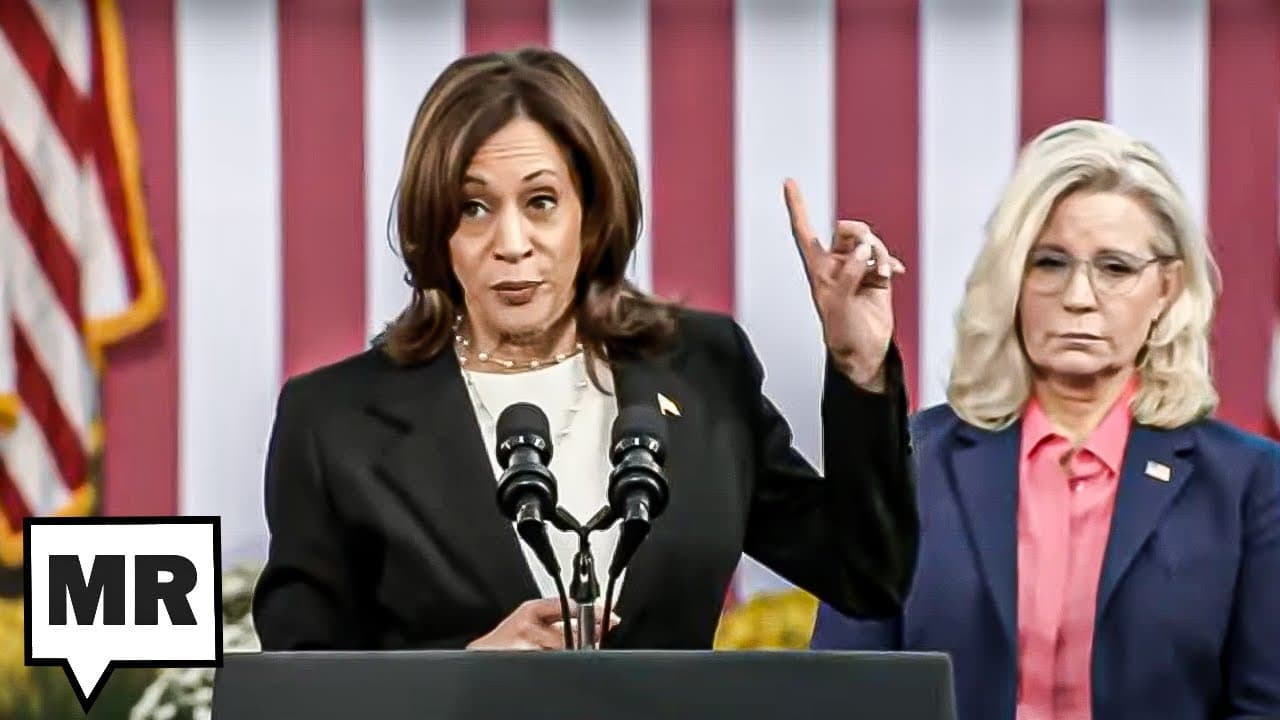
Democrats lost due to voter apathy, not Republican gains.
Transcript
as we get more data out as to why Democrats lost and and I phrase it that way specifically based upon the director I mean excuse me the the uh the data uh there's a good piece I think he's got a substack Michael uh podhorzer he was the former political director for the aflci now uh does uh you know data an analysis long story short ... Read More
Key Insights
- The 2024 election was marked by a significant decline in Democratic support, primarily due to voter apathy rather than increased Republican enthusiasm.
- Kamala Harris and the Democrats faced a collapse in voter turnout, particularly among those previously motivated by negative partisanship.
- For the first time since the 1960s, a majority of lower-income voters earning less than $50,000 annually supported Republicans.
- Democrats lost ground in urban areas and blue states, partly due to a lack of engagement with low-propensity Democratic voters.
- The Democrats' failure to effectively communicate their policies and achievements contributed to voter disengagement.
- The Biden administration's handling of the Gaza conflict and perceived insensitivity to non-white communities affected Democratic voter turnout.
- Despite cultural and immigration issues being highlighted, they did not significantly increase support for Trump or Republicans.
- Data on gender-affirming care reveals low numbers of adolescents receiving such treatment, countering claims of widespread procedures.
Install to Summarize YouTube Videos and Get Transcripts
Explore YouTube Video Summarizer or Get YouTube Transcript Extractor
Questions & Answers
Q: Why did Democrats lose support in the 2024 election?
Democrats lost support in the 2024 election primarily due to voter apathy and a lack of motivation among their base. Many voters who were previously driven by negative partisanship chose to stay home, leading to a significant decline in turnout for Kamala Harris and the Democratic Party.
Q: How did lower-income voters influence the 2024 election outcome?
For the first time since the 1960s, a majority of lower-income voters, earning less than $50,000 a year, voted Republican. This shift contributed to the Democrats' poor performance, as they lost a crucial segment of their traditional support base, impacting their overall electoral success.
Q: What role did the Gaza conflict play in the election results?
The Biden administration's handling of the Gaza conflict and perceived insensitivity towards non-white communities affected Democratic voter turnout. Many voters, particularly in districts with significant Latino populations, cited the administration's stance on the conflict as a reason for their disengagement from the election.
Q: Did cultural and immigration issues benefit Trump in the 2024 election?
Despite being highlighted, cultural and immigration issues did not significantly increase support for Trump. He maintained the same share of the electorate as in 2020, indicating that these issues did not attract new voters to his base, contrary to some narratives suggesting otherwise.
Q: What does the data on gender-affirming care reveal?
The data on gender-affirming care reveals that only a small number of adolescents received such treatment between 2018 and 2022. This counters claims of widespread procedures and highlights the presence of safeguards in place, challenging misinformation propagated in political discourse about the prevalence of these treatments.
Q: How did Democrats' communication failures impact the election?
Democrats' failure to effectively communicate their policies and achievements contributed to voter disengagement. Many voters were unaware of the benefits provided by the Biden administration, and this lack of communication led to a perception that Democrats were not addressing key issues, resulting in diminished voter turnout.
Q: What was the impact of suburban-focused campaigns on Democrats' performance?
Democrats' focus on suburban campaigns may have contributed to their losses in urban areas and among low-propensity Democratic voters. By tailoring their strategies towards suburbanites, Democrats potentially neglected key voter segments that traditionally support them, leading to decreased turnout and electoral setbacks.
Q: How does the study on gender-affirming care challenge political narratives?
The study on gender-affirming care challenges political narratives by providing concrete data that refutes claims of widespread procedures. With only a small number of adolescents receiving treatment, the study highlights the presence of safeguards and counters misinformation used to fuel cultural wars and demonize certain communities.
Summary & Key Takeaways
-
The 2024 election saw a significant decline in Democratic support, largely due to voter apathy. Kamala Harris and the Democrats faced a collapse in voter turnout, especially among those previously motivated by negative partisanship.
-
Democrats lost ground in urban areas and blue states, with a notable shift of lower-income voters towards Republicans. The Biden administration's handling of the Gaza conflict and perceived insensitivity to non-white communities also impacted voter turnout.
-
Cultural and immigration issues did not significantly increase support for Trump. Data on gender-affirming care shows low numbers of adolescents receiving such treatment, countering claims of widespread procedures and highlighting misinformation in political discourse.
Read in Other Languages (beta)
Share This Summary 📚
Summarize YouTube Videos and Get Video Transcripts with 1-Click
Try YouTube Summary with ChatGPT & Claude or YouTube Transcript Generator
Explore More Summaries from The Majority Report w/ Sam Seder 📚




Summarize YouTube Videos and Get Video Transcripts with 1-Click
Try YouTube Summary with ChatGPT & Claude or YouTube Transcript Generator