These Names Can Kill Animals
TL;DR
Names can greatly impact our perception and conservation efforts towards animals, as shown by examples such as the "wild dogs" and "orange roughy." Renaming species can elicit positive reactions, leading to increased interest and funding for their conservation.
Transcript
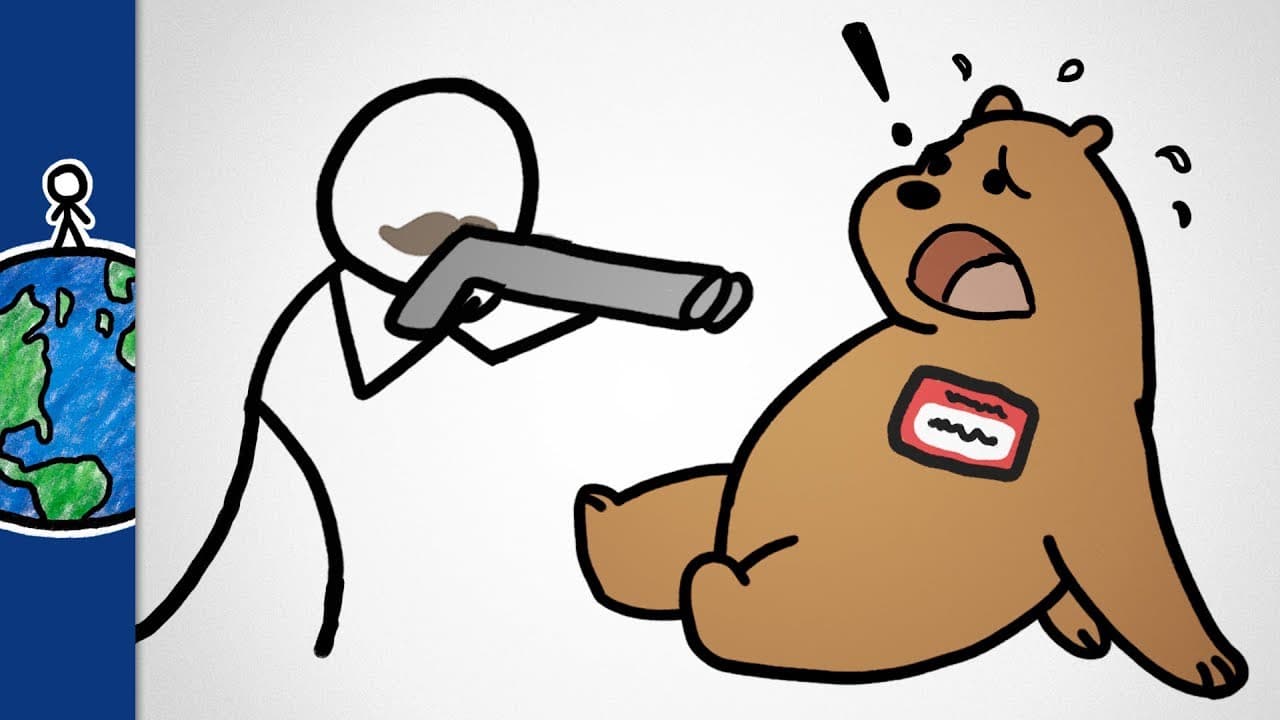
Around the turn of the 20th century, African ranchers regularly shot these cute native carnivores. The animals were known as “tricolored dogs”, but the angry ranchers, convinced the creatures were slaughtering livestock, started calling them simply - and disdainfully - “wild dogs”, and the name stuck. For decades, the canines' population declined, ... Read More
Key Insights
- 📛 The names given to animals can significantly influence public perception and conservation efforts.
- ❎ Negative names like "wild dogs" can lead to negative attitudes and actions towards animals.
- 📛 Renaming species with positive, appealing, or culturally significant names can inspire pride and increase conservation efforts.
- 🪛 Marketing strategies, including renaming, have been utilized by industries to drive consumer demand.
- 👶 The success of renaming depends on the context, public perception, and cultural significance attached to the new name.
- 💅 Renaming alone is not a cure-all for conservation efforts and must be supported by comprehensive strategies.
- ◀️ The decline of a species can be reversed by changing its name and creating a positive perception and interest.
Install to Summarize YouTube Videos and Get Transcripts
Explore YouTube Video Summarizer or Get YouTube Transcript Extractor
Questions & Answers
Q: How did the negative name "wild dogs" affect the conservation of the species mentioned in the content?
The negative name led to the killing of the species by ranchers. However, renaming them as "painted dogs" has changed their perception and encouraged conservation efforts, resulting in population rebounds.
Q: What impact did renaming the "slimehead" fish as "orange roughy" have on its population?
The renaming of the fish made it more appealing to consumers, leading to overconsumption. This almost caused the fish to go extinct due to increased harvest rates.
Q: How can renaming species impact public interest and conservation funding?
Renaming species with positive or catchy names can spark public interest and increase conservation funding. Examples like the "Hong Kong pink dolphin" and the "patriot falcon" have garnered attention and support.
Q: Does renaming species alone guarantee successful conservation efforts?
No, renaming species is not sufficient for conservation. It can help generate interest and initial funding, but long-term conservation efforts require more comprehensive actions and strategies.
Summary & Key Takeaways
-
Ranchers called a species of carnivores "wild dogs" out of disdain, leading to a decline in their population. However, renaming them as "painted dogs" has helped their population rebound in Zimbabwe.
-
The fishing industry successfully marketed the "slimehead" fish by renaming it as "orange roughy," leading to overconsumption and almost causing its extinction.
-
Renaming species can spark public interest and conservation funding, as seen with the "Hong Kong pink dolphin" and the "patriot falcon."
Read in Other Languages (beta)
Share This Summary 📚
Summarize YouTube Videos and Get Video Transcripts with 1-Click
Try YouTube Summary with ChatGPT & Claude or YouTube Transcript Generator
Explore More Summaries from MinuteEarth 📚




Summarize YouTube Videos and Get Video Transcripts with 1-Click
Try YouTube Summary with ChatGPT & Claude or YouTube Transcript Generator