How Did CircleCI Scale to More Than $100M in Revenue?
TL;DR
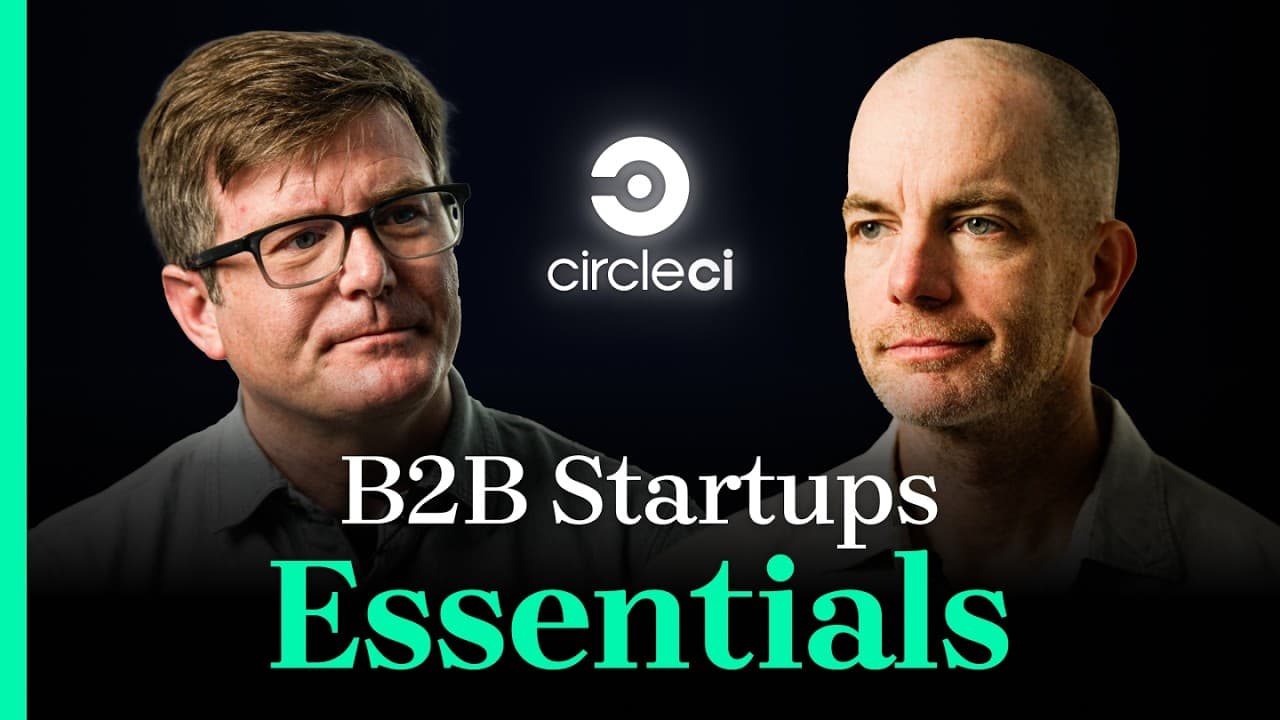
To scale a startup beyond $100M in revenue, pursue product-market fit through fast learning, target a large market, build a compatible founding team, and stay focused on lasting customer value. CircleCI reached more than $100 million in revenue with over 300 employees distributed globally. Read on for Jim Rose and Rob Zuber’s guidance on market selection, customer pull, trends, and co-founder relationships.
Transcript
most startups are going to fail very very few of them succeed the chances that you're going to succeed aren't very high what you want to do depending on how much money you have is you want to give yourself as many chances to find product Market fit as possible when you find product ret fit you will feel it you won't know why it happened but you'll ... Read More
Key Insights
- Most startups fail, so maximizing chances to find product-market fit is crucial.
- Product-market fit is felt through market pull, not predicted.
- Curiosity and pattern recognition are essential traits for entrepreneurs.
- Avoid getting swayed by short-lived trends; focus on long-term value.
- Target large markets to allow flexibility in achieving revenue goals.
- Early team dynamics are critical; ensure compatibility beyond skills.
- Customer feedback is vital; listen actively to solve real problems.
- Pricing should align with customer-perceived value to foster better relationships.
Install to Summarize YouTube Videos and Get Transcripts
Explore YouTube Video Summarizer or Get YouTube Transcript Extractor
Questions & Answers
Q: How can a startup scale to more than $100M in revenue?
Give the company as many chances as possible to find product-market fit, then keep investing and reinvesting once customers find the product meaningful. Target a large market, pursue opportunities you can reach quickly, and build something customers value and enjoy. CircleCI followed this path to more than $100 million in revenue.
Q: How do founders know when they have found product-market fit?
Jim Rose says founders will feel product-market fit through the market pulling for their product, even if they cannot explain exactly why it happened. Before that point, they should test whether they are solving a real problem and whether customers enjoy what they are building.
Q: Why should startups target large markets?
Large markets give startups more flexibility to be wrong, try new things, and find different routes to meaningful scale. Rose contrasts a market with only $10 million in potential, where a company would need all of it, with a $100 billion market that offers many ways to reach $10 million in revenue.
Q: Should a startup begin with a broad platform or a focused product?
A meaningful company can begin with a unique point solution or insight that initially looks like a toy to others. The immediate goal is to create something meaningful for 10 or 100 users, then recognize related problems and expand into more of them over time.
Q: What entrepreneurial traits help founders identify strong opportunities?
Rose highlights inherent curiosity and the ability to recognize patterns. Founders should investigate how things work and what problems people encounter, while also stepping back from individual issues to see how one insight may connect with many others.
Q: How should startup founders respond to market cycles and trends?
Founders should recognize that markets have ups and downs without getting too high or too low. They should remain aware of current trends but avoid being distracted by the flavor of the day, focusing instead on the durable value they add for customers.
Q: Why is co-founder compatibility important?
Rob Zuber describes a co-founder relationship as long-lasting and difficult to exit. Potential co-founders should be honest about who they are, what motivates and frustrates them, and how they work, because even highly skilled people need to remain socially compatible when things go badly.
Q: What does CircleCI do, and what scale has it reached?
CircleCI is a continuous integration and continuous delivery platform that helps developers build, test, and validate application changes before releasing them to downstream consumers. Jim Rose says the company has more than $100 million in revenue and over 300 employees distributed globally, serving organizations including Hugging Face, Weights & Biases, and the US government.
Summary & Key Takeaways
-
Achieving $100M revenue as a startup involves finding product-market fit and building a strong, compatible team. Entrepreneurs should focus on large markets for flexibility and avoid fleeting trends. Balancing innovation with customer feedback is key to refining products and aligning pricing with perceived value.
-
Success in the startup world requires rapid development cycles and maintaining product-market fit. Entrepreneurs must be curious and recognize patterns to identify opportunities. Building a team with compatible dynamics ensures longevity, while customer feedback helps in solving real problems effectively.
-
CircleCI's journey to $100M revenue highlights the importance of adaptability and customer-centered strategies. Entrepreneurs should aim for large market opportunities, maintain innovation, and ensure pricing reflects the value provided. A strong team and active customer engagement are crucial for sustained growth.
Read in Other Languages (beta)
Share This Summary 📚
Summarize YouTube Videos and Get Video Transcripts with 1-Click
Try YouTube Summary with ChatGPT & Claude or YouTube Transcript Generator
Explore More Summaries from EO 📚


Summarize YouTube Videos and Get Video Transcripts with 1-Click
Try YouTube Summary with ChatGPT & Claude or YouTube Transcript Generator