Domestic Factors of the Debt Crisis
TL;DR
Domestic policies worsened Latin America's 1980s debt crisis.
Transcript
while there were a host of external factors that caused so many latin american countries to face default on their debt in the early 1980s there were also domestic factors involved some countries were hit much harder by the debt crisis and had a lot longer of a recovery in this video i'll discuss some of these domestic factors as well as give some b... Read More
Key Insights
- Latin American countries faced a debt crisis in the 1980s due to both external and domestic factors, with domestic policies exacerbating the situation.
- Governments increased spending without raising taxes, relying on international loans, which became unsustainable when loans dried up.
- Import substitution industrialization policies harmed export sectors, making it difficult to increase exports when needed to repay loans.
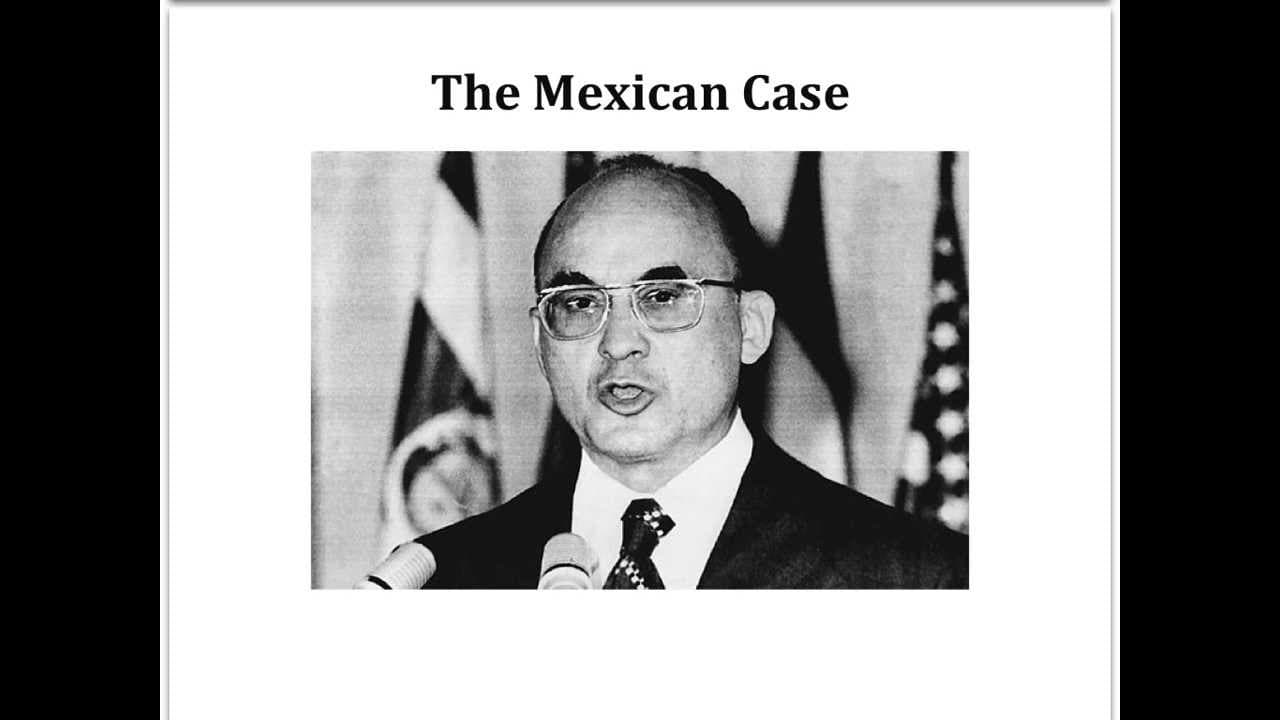
- Mexico's government spending surged in the 1970s, funded mainly by loans, leading to a significant increase in national debt.
- The overvaluation of the peso led to capital flight, as people exchanged pesos for dollars, depleting government reserves.
- Oil discoveries in Mexico led to increased spending, repeating previous policy mistakes and worsening fiscal health.
- By 1982, Mexico's budget deficit was much higher than targeted, unemployment was high, and the government struggled to manage the economic situation.
- Mexico's nationalization of banks and forced currency conversions further destabilized the economy, leading to a default on debt.
Install to Summarize YouTube Videos and Get Transcripts
Explore YouTube Video Summarizer or Get YouTube Transcript Extractor
Questions & Answers
Q: What were the main domestic factors contributing to the debt crisis?
The main domestic factors included increased government spending without raising taxes, reliance on international loans, and policies like import substitution industrialization that disadvantaged export sectors. These factors created unsustainable economic conditions that worsened when external funding sources dried up.
Q: How did import substitution industrialization impact Latin American economies?
Import substitution industrialization policies focused on supporting domestic manufacturing at the expense of export sectors. This led to an overvaluation of currencies, making exports less competitive internationally. When countries needed to increase exports to repay loans, they struggled due to long-term neglect of these sectors.
Q: What role did Mexico's oil discovery play in its economic policies?
The discovery of oil reserves in Mexico led policymakers to abandon economic reforms and increase public spending, believing the oil would provide sustainable revenue. However, this resulted in repeating previous policy mistakes on a larger scale, worsening the fiscal situation and contributing to the debt crisis.
Q: How did capital flight affect Mexico during the crisis?
Capital flight occurred as people exchanged pesos for dollars, anticipating currency devaluation. This depleted Mexico's dollar reserves, further destabilizing the economy. The government struggled to manage the situation, leading to measures like bank nationalization and forced currency conversions, which exacerbated the crisis.
Q: What measures did the Mexican government take in response to the economic crisis?
In response to the economic crisis, the Mexican government devalued the peso, froze dollar accounts in banks, and eventually nationalized the banking system. These measures were intended to stabilize the economy but instead led to further instability and loss of confidence among investors and the public.
Q: Why is the 1980s referred to as Latin America's 'lost decade'?
The 1980s are called Latin America's 'lost decade' due to the severe economic downturn caused by the debt crisis. Many countries experienced stagnation, high inflation, and unemployment, leading to significant social and economic challenges that took years to overcome, with long-term impacts on development.
Q: What were the consequences of Mexico's bank nationalization?
The nationalization of banks in Mexico led to a loss of confidence among investors and the public. It was seen as a drastic measure that highlighted the severity of the economic crisis, contributing to capital flight and further destabilizing the economy, ultimately leading to a default on international debt.
Q: How did the debt crisis affect Mexico's relationship with international creditors?
The debt crisis strained Mexico's relationship with international creditors, as the country was unable to service its debt. This led to complex negotiations for debt rescheduling and restructuring, with Mexico eventually proposing a lengthy and detailed plan to its creditors, highlighting the depth of the crisis.
Summary & Key Takeaways
-
In the 1980s, Latin American countries, particularly Mexico, faced a severe debt crisis due to unsustainable domestic policies and reliance on international loans. The crisis was exacerbated by government overspending and poor management of economic resources.
-
Mexico's experience during the debt crisis highlighted the dangers of overreliance on foreign loans and the negative impact of import substitution policies on export sectors. The discovery of oil reserves led to further fiscal mismanagement.
-
The Mexican government's response to the economic crisis, including bank nationalization and forced currency conversions, worsened the situation, leading to capital flight and eventual default on its debt obligations.
Read in Other Languages (beta)
Share This Summary 📚
Summarize YouTube Videos and Get Video Transcripts with 1-Click
Try YouTube Summary with ChatGPT & Claude or YouTube Transcript Generator
Explore More Summaries from Marginal Revolution University 📚

Summarize YouTube Videos and Get Video Transcripts with 1-Click
Try YouTube Summary with ChatGPT & Claude or YouTube Transcript Generator