How to Coach Effectively with Key Questions
TL;DR
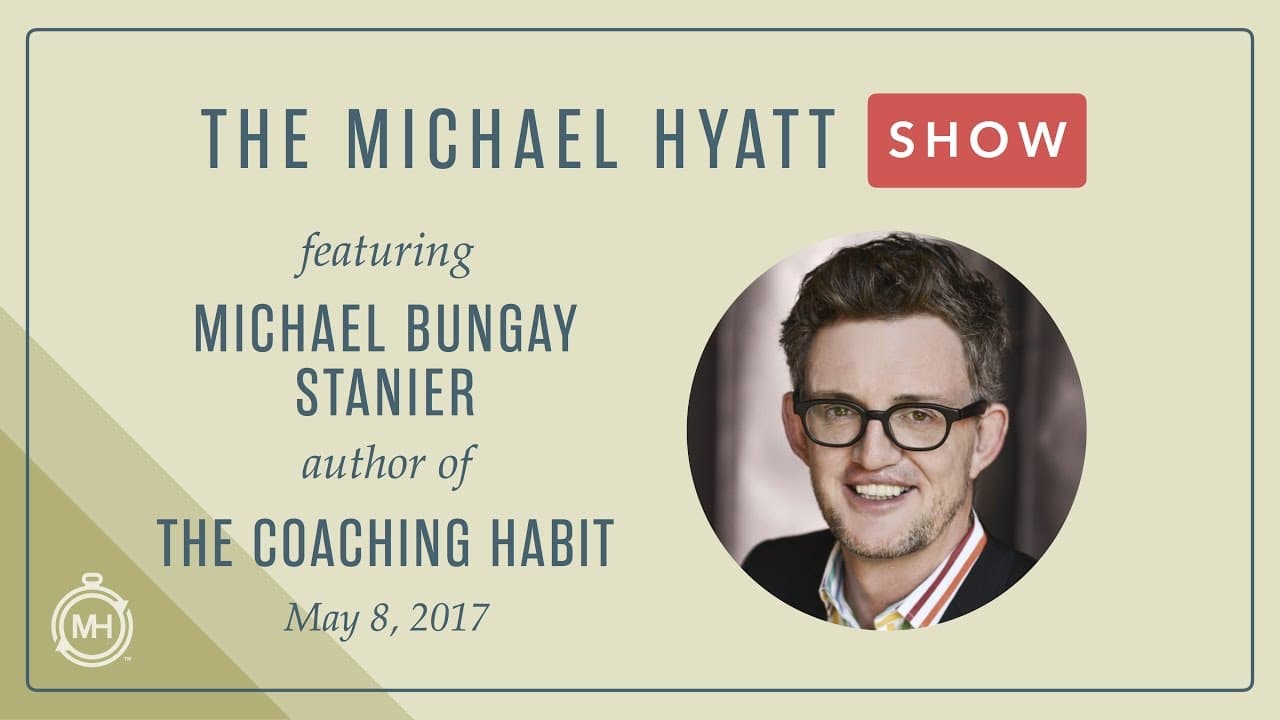
Effective coaching involves asking the right questions to help individuals find their own solutions. Michael Bungay Stanier, author of The Coaching Habit, emphasizes the importance of staying curious longer and being less eager to provide answers. His approach helps leaders foster autonomy and growth in their teams by guiding them to discover insights independently.
Transcript
[Applause] hey guys Michael Hyatt here welcome to the Michael Hyatt show this is the pre-show we'll go about for 10 minutes and let everybody have a chance to get on it we'll just banter back and forth I'm a National Tennessee tonight and it's beautiful spring weather we've had some cold weather but now it's warm it was 45 degrees when I woke up th... Read More
Key Insights
- Coaching is about staying curious longer and rushing to advice less quickly.
- The real challenge often lies beneath the surface of the initial problem presented.
- Effective coaching can break the cycle of an overdependent team.
- Asking 'What's the real challenge here for you?' shifts focus to personal development.
- The 'And What Else?' question encourages deeper exploration of ideas.
- Replacing 'why' with 'what' questions avoids defensiveness and speculation.
- Coaching is a way of being with others, not just a professional role.
- Effective coaching requires vulnerability and openness to others' perspectives.
Install to Summarize YouTube Videos and Get Transcripts
Explore YouTube Video Summarizer or Get YouTube Transcript Extractor
Questions & Answers
Q: How can I effectively coach my team?
Effective coaching involves asking the right questions to help team members discover solutions themselves. Focus on staying curious longer and providing guidance through questions like 'What's the real challenge here for you?' and 'And What Else?'. This approach fosters autonomy and growth, breaking the cycle of dependency.
Q: What are the benefits of asking 'What's the real challenge here for you?'
This question shifts the focus from the problem to the individual's experience, encouraging personal reflection and development. It helps uncover underlying issues that may not be immediately apparent, allowing for a deeper understanding and more effective problem-solving.
Q: Why should I replace 'why' questions with 'what' questions?
Replacing 'why' with 'what' questions avoids defensiveness and speculation, promoting a more open and constructive dialogue. 'What' questions are more neutral and action-oriented, helping to clarify the situation and focus on solutions rather than justifications.
Q: How does effective coaching break the cycle of an overdependent team?
By encouraging team members to find their own solutions through guided questioning, coaching reduces reliance on the leader for answers. This fosters a sense of autonomy and confidence, empowering individuals to take initiative and develop their problem-solving skills.
Q: What role does curiosity play in effective coaching?
Curiosity is central to effective coaching as it drives the exploration of deeper insights and solutions. By staying curious and asking thoughtful questions, leaders can facilitate a process where team members uncover their own answers, leading to greater engagement and personal growth.
Q: How can I measure the effectiveness of my coaching?
Effectiveness can be measured by asking team members what was most useful or valuable about the coaching session. This feedback not only highlights the impact of the session but also helps the coach refine their approach, ensuring that future interactions are even more beneficial.
Q: What is the difference between a coach, a consultant, and a mentor?
A coach focuses on asking questions to help individuals find their own solutions, often without needing subject-matter expertise. A consultant typically provides expert advice and solutions. A mentor shares personal experiences and insights, often offering guidance based on their own career path.
Q: How can I overcome the temptation to give advice too quickly?
To resist the urge to give advice, practice delaying your response by asking more questions. Use questions like 'And What Else?' to encourage further exploration of ideas. This approach helps you stay in a curious mindset and fosters a more collaborative problem-solving environment.
Summary & Key Takeaways
-
Michael Bungay Stanier emphasizes that effective coaching is about asking the right questions rather than providing immediate solutions. His approach, detailed in The Coaching Habit, involves seven key questions that help leaders guide their teams to discover insights independently, fostering autonomy and growth.
-
The book highlights the importance of curiosity, suggesting that leaders should delay their advice-giving to allow team members to explore their own thoughts. This method not only empowers individuals but also breaks the cycle of dependency, leading to a more self-sufficient team.
-
By focusing on questions like 'What's the real challenge here for you?' and 'And What Else?', leaders can create a safe space for exploration and development. This approach aligns with neuroscience, promoting engagement and deeper learning through autonomy and personal connection.
Read in Other Languages (beta)
Share This Summary 📚
Summarize YouTube Videos and Get Video Transcripts with 1-Click
Try YouTube Summary with ChatGPT & Claude or YouTube Transcript Generator
Explore More Summaries from Michael Hyatt 📚




Summarize YouTube Videos and Get Video Transcripts with 1-Click
Try YouTube Summary with ChatGPT & Claude or YouTube Transcript Generator