Your Mind is Secretly Ruining Your Life (Here's How To Stop It)
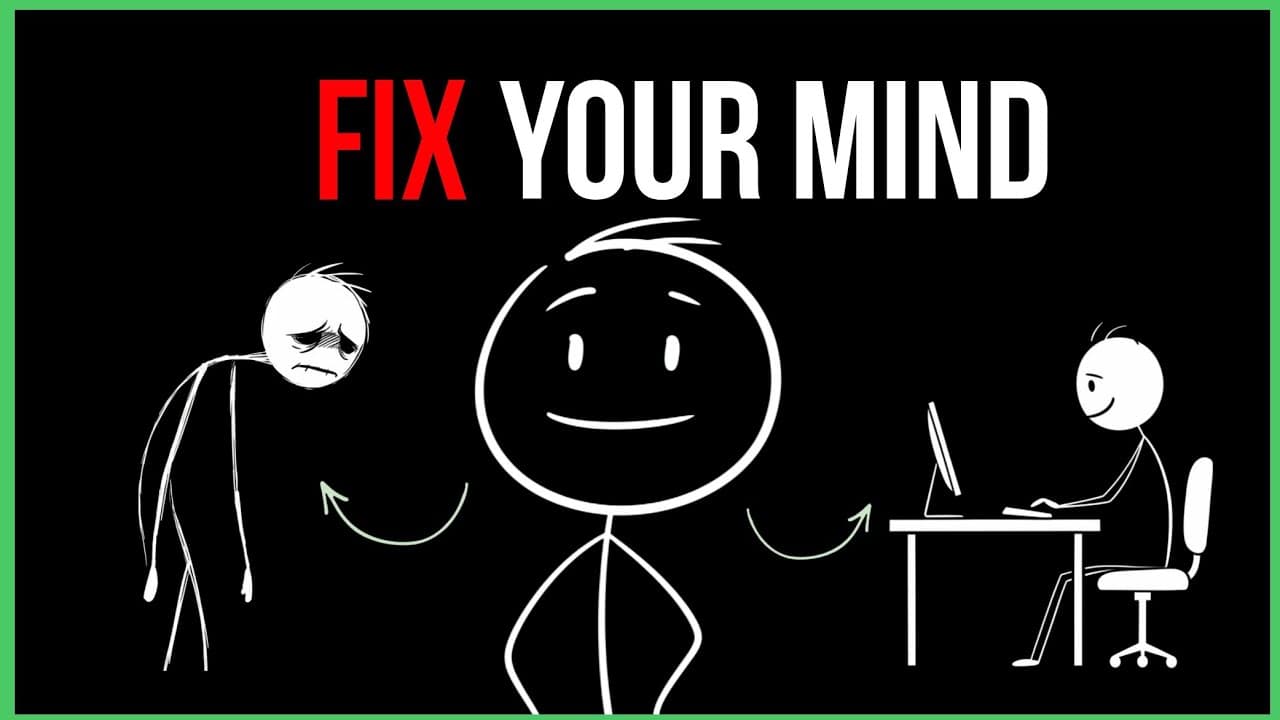
TL;DR
Learn to control negative thoughts and boost mental clarity.
Transcript
have you ever caught yourself trapped in a thought spiral replaying embarrassing moments from 10 years ago at 3:00 a.m. wondering why am I like this or maybe you've got this tiny voice in your head Whispering you're not good enough yeah we've all been there but what if I told you these thoughts are quietly ruining your life ... Read More
Key Insights
- Negative thoughts often stem from cognitive distortions, which are misleading beliefs our brains create, affecting our productivity and happiness.
- The amygdala in the brain is responsible for these unhelpful thoughts, overreacting to non-threatening situations in modern life.
- Negative memories are retained longer than positive ones due to evolutionary survival mechanisms, leading to overthinking and self-doubt.
- Unhelpful thoughts create cognitive drain, reducing focus, problem-solving ability, and decision-making skills, akin to driving with the parking brake on.
- Challenging negative thoughts involves questioning their validity, naming them humorously, and setting time limits to stop overthinking.
- Grounding techniques like the 54321 method help bring focus back to the present, reducing anxiety and mental clutter.
- Taking small actions against fears and sharing thoughts with trusted individuals can diminish the power of negative thinking.
- Unhelpful thoughts do not define one's identity; recognizing and reframing them can significantly enhance focus, confidence, and energy.
Install to Summarize YouTube Videos and Get Transcripts
Explore YouTube Video Summarizer or Get YouTube Transcript Extractor
Questions & Answers
Q: What causes negative thoughts to persist in our minds?
Negative thoughts persist due to cognitive distortions, which are misleading beliefs created by the brain. These distortions are often fueled by the amygdala, a part of the brain that overreacts to non-threatening situations. Evolutionarily, the brain retains negative memories longer than positive ones to ensure survival, leading to overthinking and self-doubt.
Q: How do unhelpful thoughts impact productivity?
Unhelpful thoughts create cognitive drain, which reduces focus, problem-solving abilities, and decision-making skills. This is similar to trying to drive a car with the parking brake on. These thoughts distract from tasks, making it difficult to concentrate and complete work efficiently, ultimately impacting productivity and overall performance.
Q: What techniques can help manage negative thoughts?
Techniques to manage negative thoughts include challenging their validity, humorously naming them, and setting time limits to stop overthinking. Grounding exercises like the 54321 method, which involves identifying sensory experiences, help bring focus back to the present. These strategies reduce anxiety and mental clutter, aiding in thought management.
Q: Why is the amygdala involved in negative thinking?
The amygdala is involved in negative thinking because it is designed to keep us safe by scanning for danger and sending out alarms. In modern life, where actual danger is rare, it overreacts to minor situations, such as social blunders or perceived judgments, triggering unhelpful thoughts that persist and affect mental well-being.
Q: How can humor be used to combat negative thoughts?
Humor can combat negative thoughts by disarming their seriousness and reducing their power. By naming the negative voice something silly, like 'Karen' or 'Drama Llama,' individuals can create a mental distance from the thought, making it easier to dismiss. This approach lightens the emotional load and diminishes the impact of negativity.
Q: What role does sharing thoughts play in managing negativity?
Sharing thoughts with someone trusted can significantly help manage negativity. Speaking thoughts aloud allows individuals to gain perspective, often realizing the irrationality of their fears. If sharing with someone isn't possible, recording and playing back thoughts can offer similar benefits, providing clarity and reducing the emotional weight of negative thinking.
Q: What is the 54321 technique, and how does it help?
The 54321 technique is a grounding exercise that involves naming five things you can see, four things you can touch, three things you can hear, two things you can smell, and one thing you can taste. This method helps bring focus back to the present moment, reducing anxiety and mental clutter, and breaking the cycle of negative thinking.
Q: What is the importance of taking small actions against fears?
Taking small actions against fears is important because it helps reduce the power of negative thinking and anxiety. By addressing fears incrementally, individuals can build confidence and resilience, proving to themselves that they can manage and overcome challenges. This proactive approach diminishes the intimidation of fears and fosters a sense of control.
Summary & Key Takeaways
-
Negative thoughts, often unnoticed, can significantly impact productivity and happiness by creating cognitive distortions. These thoughts stem from the brain's amygdala, which overreacts to non-threatening situations, retaining negative memories longer than positive ones due to evolutionary survival mechanisms.
-
Cognitive drain results from unhelpful thoughts, reducing focus and decision-making abilities. Strategies to combat this include challenging the validity of these thoughts, using humor to disarm them, and employing grounding techniques like the 54321 method to regain present-moment focus.
-
Addressing fears through small actions and sharing thoughts with trusted individuals can reduce the power of negative thinking. Recognizing that unhelpful thoughts do not define identity allows for enhanced focus, confidence, and energy, enabling individuals to reclaim control over their mental landscape.
Read in Other Languages (beta)
Share This Summary 📚
Summarize YouTube Videos and Get Video Transcripts with 1-Click
Try YouTube Summary with ChatGPT & Claude or YouTube Transcript Generator