How Do Portfolio Managers Handle Market Downturns?
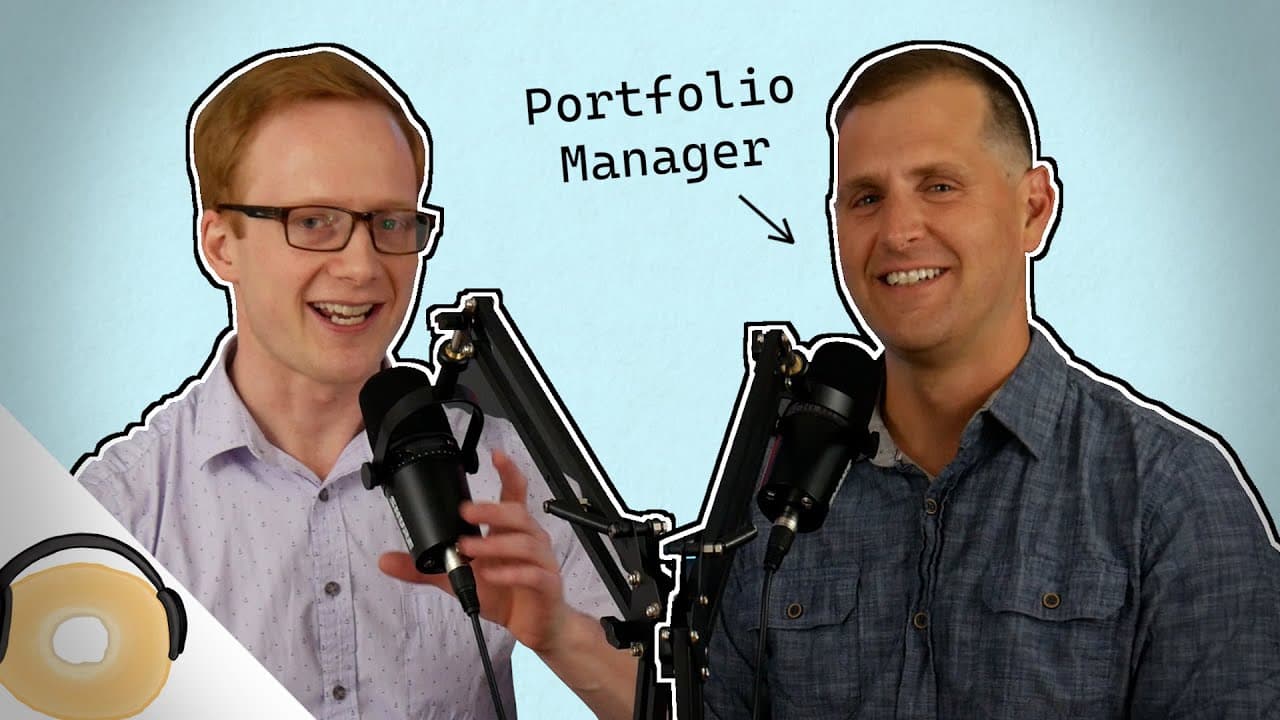
TL;DR
Portfolio managers emphasize the importance of building a diversified investment portfolio to withstand market downturns. Unlike typical financial advisors, they have a fiduciary duty to manage clients' assets directly. Understanding the distinction between investing and speculating is crucial, as well as maintaining a long-term focus even during volatile periods.
Transcript
this podcast is sponsored by morningbrew use the link in the description below to sign up for their awesome free newsletter on Tech finance and business news I always remind people that we're investing right like yeah you're not speculating we're not speculating there's a big difference one of my first uh dives into Finance was like an insurance co... Read More
Key Insights
- 📼 As a portfolio manager, the role includes a fiduciary obligation and directly managing clients' assets.
- 🏛️ Building a diversified portfolio is essential to weather market downturns and avoid overreliance on specific sectors.
- 🤖 Passive investing options like robo-advisors can be a cost-effective option, but active involvement is still necessary to tailor investments to specific goals.
Install to Summarize YouTube Videos and Get Transcripts
Explore YouTube Video Summarizer or Get YouTube Transcript Extractor
Questions & Answers
Q: What is the main difference between a portfolio manager and a financial advisor?
The main difference is that portfolio managers have a fiduciary obligation and directly manage clients' assets, while financial advisors often focus on selling financial products.
Q: How can diversification help during market downturns?
Diversification helps to mitigate risk by spreading investments across various sectors and asset classes. This can help reduce losses during market downturns by not relying heavily on one area.
Q: Why is active involvement still necessary when using passive investment options like robo-advisors?
While passive investment options are cost-effective, being actively involved in investment decisions is important to align investments with specific goals and to ensure the portfolio remains diversified and balanced.
Q: What is the importance of managing personal finances and avoiding impulsive decisions?
Managing personal finances properly and avoiding impulsive financial decisions is crucial in achieving long-term financial success. This includes careful budgeting, avoiding excessive debt, and making informed investment decisions based on individual goals.
Summary & Key Takeaways
-
The role of a portfolio manager differs from a typical financial advisor as they have a fiduciary obligation and directly manage clients' assets.
-
Building a diversified portfolio is key to weathering market downturns and avoiding relying too heavily on one sector or stock.
-
Passive investing, such as using robo-advisors or ETFs, can be a cost-effective option for those starting out, but active involvement is still necessary to align investments with specific goals.
-
Managing personal finances and avoiding making impulsive financial decisions is crucial in achieving long-term success.
Read in Other Languages (beta)
Share This Summary 📚
Summarize YouTube Videos and Get Video Transcripts with 1-Click
Try YouTube Summary with ChatGPT & Claude or YouTube Transcript Generator
Explore More Summaries from The Plain Bagel 📚






Summarize YouTube Videos and Get Video Transcripts with 1-Click
Try YouTube Summary with ChatGPT & Claude or YouTube Transcript Generator