How to Use Neuromarketing to Boost Sales
TL;DR
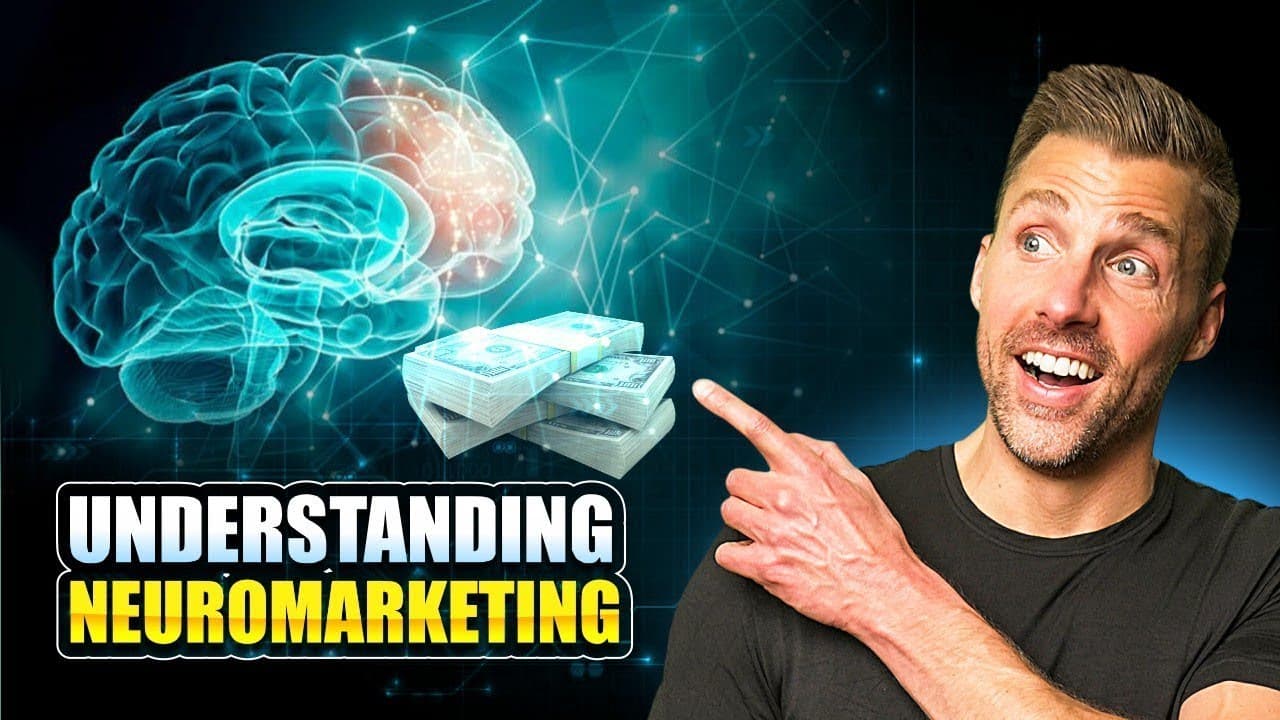
Understanding how customers' brains work can enhance marketing efforts, leading to more effective campaigns and increased sales. Neuromarketing studies brain activity to influence consumer behavior, making it crucial for crafting compelling messages. By aligning marketing strategies with how the brain processes information, businesses can improve engagement and conversion rates.
Transcript
if you want to understand why some people buy and some people don't then you need to understand how your customers brains work in order to evaluate information and make buying decisions and the better you understand those invisible forces at play well the better you're going to be able to create high converting and truly effective and engaging mark... Read More
Key Insights
- Neuromarketing studies the brain to predict consumer behavior and decision-making.
- Effective marketing works with the brain's natural information processing.
- Prices perceived as good value activate positive brain areas, influencing buying decisions.
- Charm pricing, such as ending prices in nine, can increase sales but may not suit luxury goods.
- Strong brands evoke positive emotions, leading to higher consumer preference.
- Familiarity through repeated exposure increases trust and likability.
- Brand perception can override actual product preference, as seen in taste tests.
- Combining neuromarketing with marketing psychology can optimize campaign effectiveness.
Install to Summarize YouTube Videos and Get Transcripts
Explore YouTube Video Summarizer or Get YouTube Transcript Extractor
Questions & Answers
Q: How does neuromarketing influence consumer behavior?
Neuromarketing influences consumer behavior by studying brain activity to understand how consumers evaluate information and make decisions. By leveraging insights into how the brain processes stimuli, marketers can craft messages that align with these processes, making campaigns more engaging and effective. This approach can lead to increased sales by tapping into subconscious decision-making.
Q: What is the difference between neuromarketing and marketing psychology?
Neuromarketing focuses on measuring brain activity to predict consumer behavior, often using tools like fMRI and EEG in controlled environments. Marketing psychology, on the other hand, examines observable behaviors and how consumers act. Combining both fields can provide a comprehensive understanding of consumer behavior, optimizing marketing strategies for better results.
Q: Why is understanding pricing perception important in marketing?
Understanding pricing perception is crucial because it influences how consumers perceive value. Prices that align with perceived value can activate positive brain areas, encouraging purchases. Strategies like charm pricing can enhance sales by creating a perception of a good deal, but they must be carefully applied based on the product type and target audience to avoid negative perceptions.
Q: What is charm pricing and how does it affect consumer behavior?
Charm pricing involves ending prices with a nine, such as $39 instead of $40. This strategy can increase sales by creating a perception of a better deal. However, its effectiveness varies depending on the product and audience. For luxury goods, charm pricing may signal a discount, undermining the product's perceived value and status.
Q: How does brand familiarity impact consumer preference?
Brand familiarity impacts consumer preference by increasing trust and likability through repeated exposure. The mere exposure effect suggests that the more consumers see a brand, the more they tend to like and trust it. Familiar brands evoke positive emotions, influencing purchasing decisions and often leading to a preference over less familiar competitors.
Q: What role do emotions play in consumer decision-making?
Emotions play a significant role in consumer decision-making, as many purchases are driven by emotional responses rather than rational analysis. Consumers often buy based on emotional appeal and later justify the purchase with logic. Understanding and appealing to emotions can enhance marketing effectiveness, leading to higher engagement and conversion rates.
Q: How can marketers use neuromarketing insights to improve campaigns?
Marketers can use neuromarketing insights to craft messages that align with the brain's natural processing. By understanding how consumers evaluate and respond to stimuli, marketers can create more engaging campaigns that resonate with their audience. This approach can lead to higher conversion rates, as it taps into subconscious decision-making processes, making the sales process more seamless.
Q: Why is a strong brand important in today's competitive market?
A strong brand is crucial in today's competitive market because it elicits strong emotions and creates a positive perception in consumers' minds. Familiar and trusted brands have a competitive edge, as they evoke positive emotions and are more likely to be chosen over lesser-known competitors. Building a strong brand can enhance customer loyalty and increase market share.
Summary & Key Takeaways
-
Neuromarketing involves studying brain activity to understand and influence consumer behavior. By aligning marketing with how the brain naturally processes information, businesses can create more engaging and effective campaigns. This approach can help avoid competing on price alone and instead focus on delivering perceived value.
-
Pricing strategies, such as charm pricing, can significantly impact consumer perception and sales. However, the effectiveness of such strategies depends on the product type and target audience. Luxury goods may not benefit from charm pricing due to their status-signaling nature.
-
Brand familiarity and emotional connection play crucial roles in consumer preference. Strong brands elicit positive emotions, leading to higher trust and preference. Repeated exposure to a brand can increase its likability and influence purchasing decisions, even when the product itself is not the preferred choice.
Read in Other Languages (beta)
Share This Summary 📚
Summarize YouTube Videos and Get Video Transcripts with 1-Click
Try YouTube Summary with ChatGPT & Claude or YouTube Transcript Generator
Explore More Summaries from Adam Erhart 📚
Summarize YouTube Videos and Get Video Transcripts with 1-Click
Try YouTube Summary with ChatGPT & Claude or YouTube Transcript Generator