Japanese Americans in SD | Let's Talk San Diego History with Susan Hasegawa
TL;DR
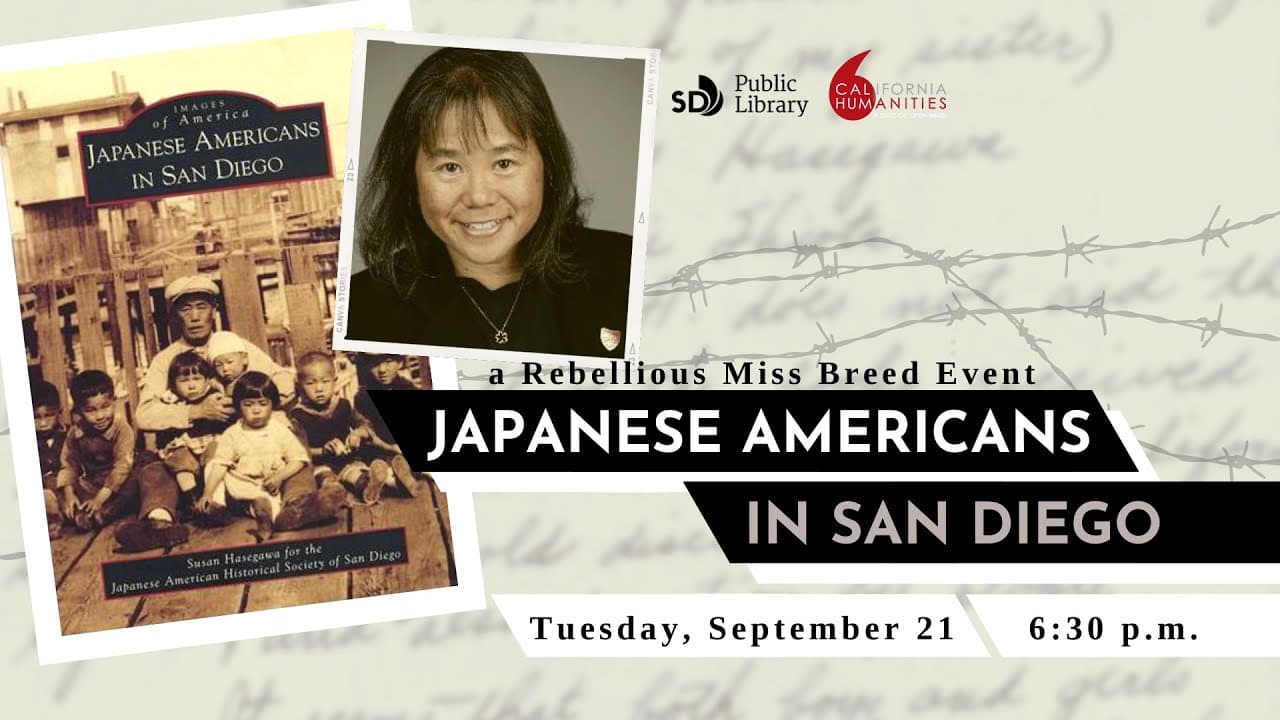
This presentation explores the history of Japanese Americans in San Diego, including their struggles with discrimination during World War II and their enduring legacy in the community.
Transcript
i'd like to thank california humanities for making this project possible you can help us and california humanities with future programming by giving us your feedback we have a quick survey available also at the library table that you can fill out after today's program so before i introduce susan i just want to take a quick moment to acknowledge all... Read More
Key Insights
- 👹 Japanese Americans in San Diego played significant roles in farming, fishing, and canning industries, contributing to the local economy.
- 🥺 Anti-immigrant sentiment and discriminatory laws targeted Japanese immigrants and their families, leading to their incarceration during World War II.
- 👹 The internment experience had a lasting impact on Japanese American families, shaping their collective memory and inspiring a commitment to social justice.
- 👹 Japanese Americans have been instrumental in preserving their history, sharing their stories, and fighting for redress to ensure that such injustices are not repeated.
Install to Summarize YouTube Videos and Get Transcripts
Explore YouTube Video Summarizer or Get YouTube Transcript Extractor
Questions & Answers
Q: What were the living conditions like in the internment camps?
The living conditions in the internment camps were challenging, with overcrowded barracks, limited privacy, and daily hardships such as long lines for food and basic necessities. However, despite these difficult circumstances, many Japanese Americans found ways to maintain their dignity and support each other.
Q: How did Japanese Americans react to the discrimination they faced during World War II?
Japanese Americans reacted to the discrimination in various ways. Some chose to volunteer and serve in the military to prove their loyalty to the United States. Others organized protests and fought for their rights legally. Overall, the Japanese American community showed resilience and determination in the face of adversity.
Q: How did the internment experience impact future generations of Japanese Americans?
The internment experience had a profound and lasting impact on future generations of Japanese Americans. Many felt a sense of injustice and sought to tell their stories and preserve their history. They also became involved in activism, advocating for civil rights and social justice.
Q: What steps were taken to redress the wrongs inflicted upon Japanese Americans during World War II?
In 1988, the U.S. government issued a formal apology and provided reparations to Japanese Americans who were interned during World War II. This acknowledgement of wrongdoing and financial compensation helped to bring some closure to the community and restore a sense of dignity.
Summary & Key Takeaways
-
The speaker, Susan Hassagawa, is a professor at San Diego City College with research expertise in Japanese American history.
-
She discusses the early Japanese immigrant experience in San Diego, including their involvement in farming, fishing, and canneries.
-
Hassagawa also covers the discriminatory laws and incarceration of Japanese Americans during World War II, as well as their post-war return and the establishment of a lasting legacy in San Diego.
Read in Other Languages (beta)
Share This Summary 📚
Summarize YouTube Videos and Get Video Transcripts with 1-Click
Try YouTube Summary with ChatGPT & Claude or YouTube Transcript Generator
Explore More Summaries from San Diego Public Library 📚





Summarize YouTube Videos and Get Video Transcripts with 1-Click
Try YouTube Summary with ChatGPT & Claude or YouTube Transcript Generator