The Great Economic Problem
TL;DR
The video explores how oil prices affect various markets.
Transcript
♪ [music] ♪ - [Alex] In our first talk on the price system, we looked at how markets link the world, how markets linked over space, geographically. Today, we're going to look at how different markets are linked to one another, and this is going to give us a lot of insight into how markets solve the great economic problem. Earlier, we looked at h... Read More
Key Insights
- The price system connects different markets globally, affecting consumption and production decisions across various sectors.
- Higher oil prices increase transportation costs, indirectly raising the cost of goods like candy bars due to increased sugar prices.
- Oil price hikes lead to increased demand for substitutes like ethanol, impacting global sugar supply and prices.
- The price system efficiently allocates resources by adjusting consumption patterns through first, second, and third order effects.
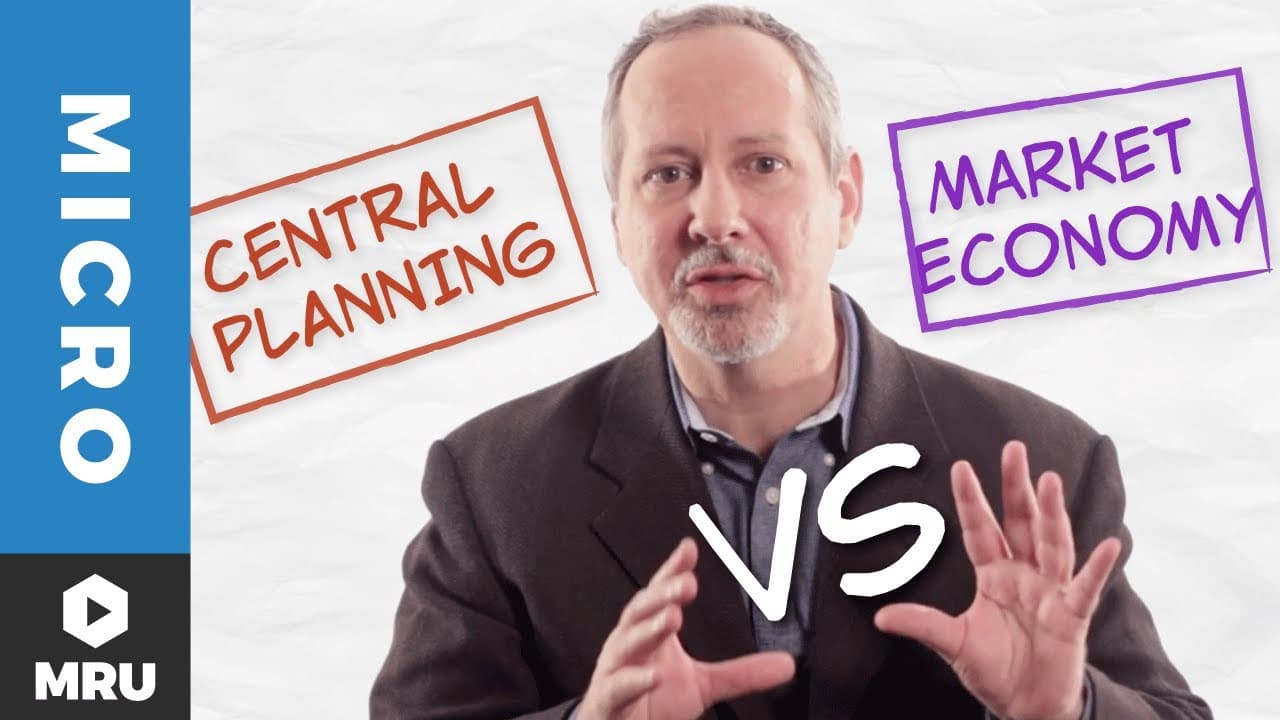
- Central planning struggles with information overload and lacks incentives for efficient resource allocation.
- The market system encourages substitution, such as using concrete instead of asphalt, to maximize resource value.
- Central planning, as seen in communist economies, often results in resource misallocation and inefficiencies.
- The great economic problem involves arranging limited resources to satisfy wants, best solved by the price system rather than central planning.
Install to Summarize YouTube Videos and Get Transcripts
Explore YouTube Video Summarizer or Get YouTube Transcript Extractor
Questions & Answers
Q: How do oil prices affect candy bars?
Oil prices impact candy bars by increasing transportation costs, which raises the overall cost of goods. Additionally, higher oil prices boost demand for ethanol, made from sugar cane, reducing sugar supply and increasing its price, thereby raising candy bar production costs.
Q: What is the great economic problem?
The great economic problem involves effectively arranging limited resources to satisfy as many wants as possible. It requires deciding how to allocate resources to their most valuable uses, a challenge best addressed by the price system rather than central planning.
Q: Why is central planning ineffective?
Central planning is ineffective due to its inability to process vast amounts of information required for efficient resource allocation. It also lacks proper incentives, leading to misallocation and inefficiencies, as seen in historical examples from communist economies.
Q: How does the price system solve the great economic problem?
The price system solves the great economic problem by using market signals to allocate resources efficiently. It adjusts consumption and production patterns through price changes, encouraging substitutions and optimizing resource use without the need for centralized decision-making.
Q: What role do substitutes play in the price system?
Substitutes play a crucial role in the price system by providing alternatives when prices rise. For example, higher oil prices may lead to using ethanol or concrete instead of more expensive options, helping to maximize resource value and adjust consumption patterns efficiently.
Q: How does the price system handle resource scarcity?
The price system handles resource scarcity by adjusting prices, which signals consumers and producers to change their behavior. Higher prices encourage conservation and the use of substitutes, ensuring resources are directed toward their most valuable uses and efficiently allocated.
Q: What are the information problems in central planning?
Central planning faces information problems because it requires processing vast amounts of data about resource uses, substitutes, and preferences. This complexity is beyond the capacity of any bureaucracy, leading to inefficient resource allocation and failure to respond effectively to changes.
Q: How does the price system encourage efficient resource use?
The price system encourages efficient resource use by providing incentives through price signals. These signals prompt consumers and producers to adjust their behavior, seeking cost-effective alternatives and optimizing resource allocation based on market conditions, without centralized control.
Summary & Key Takeaways
-
The video discusses how markets are interconnected, particularly how oil prices influence other markets like candy bars and construction materials. It highlights the role of the price system in solving the great economic problem by efficiently allocating resources through market signals and adjustments.
-
Higher oil prices lead to increased transportation costs and demand for substitutes like ethanol, affecting global sugar supply and, consequently, the price of candy bars. The video explains how the price system prompts adjustments in consumption and production to optimize resource use.
-
Central planning is critiqued for its inefficiencies due to information and incentive problems. The video contrasts this with the price system, which naturally guides resource allocation through market signals, demonstrating its superiority in addressing the great economic problem.
Read in Other Languages (beta)
Share This Summary 📚
Summarize YouTube Videos and Get Video Transcripts with 1-Click
Try YouTube Summary with ChatGPT & Claude or YouTube Transcript Generator
Explore More Summaries from Marginal Revolution University 📚

Summarize YouTube Videos and Get Video Transcripts with 1-Click
Try YouTube Summary with ChatGPT & Claude or YouTube Transcript Generator