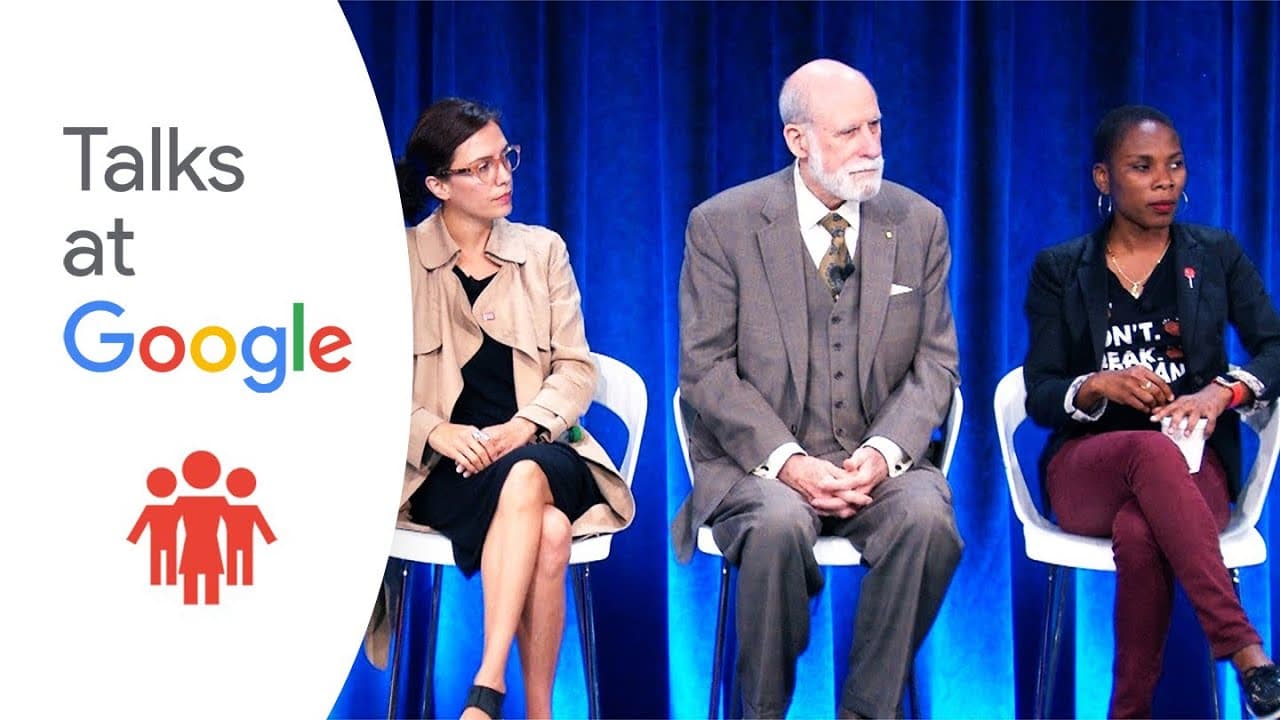
The Future of Race | Eddie Huang, Paola Mendoz, Vint Cerf + More | Talks at Google
TL;DR
Don't just rely on being labeled liberal to fight for social change - actively engage in conversations, challenge racist actions, and educate others to create progress.
Transcript
[MUSIC PLAYING] SPEAKER 1: We present to you the final Decoding Race talk back here at my home, New York City, and I will now introduce Roland Martin who has been an amazing friend to me for more than 10 years. He's an award-winning journalist, an all-around amazing television-radio personality. He's the current host of "NewsOne Now" of TV One and ... Read More
Key Insights
- 🐎 Candid discussions about race, challenging racist behavior, and educating others are necessary for progress.
- 💁 The fight for social change should be inclusive and intersectional, acknowledging the interconnectedness of different forms of oppression.
- 🎓 Changing incentives and attitudes through education and dialogue can help create a more equal and inclusive society.
- 🏷️ Liberal labels should not be used as a substitute for action and engagement in social issues.
Install to Summarize YouTube Videos and Get Transcripts
Explore YouTube Video Summarizer or Get YouTube Transcript Extractor
Questions & Answers
Q: How can we effectively challenge racist viewpoints in conversations without causing defensiveness?
Engage in conversations with a focus on education, not confrontation, and create opportunities for individuals to gain a better understanding of different perspectives. Encourage people to examine their own biases and work towards breaking down barriers.
Q: What strategies can be used to appeal to individuals who are resistant to addressing issues of race or racism?
Find common ground and shared values, emphasize the importance of equality and fairness, and use storytelling to help individuals relate to the experiences of others. Allow them to see the personal and societal benefits of addressing these issues.
Q: How can we ensure that the fight for social change is inclusive and intersectional?
Recognize the interconnectedness of different forms of oppression and show solidarity across different movements. Provide spaces for marginalized voices to be heard and actively seek out different perspectives. Center the most marginalized individuals in the movement and work towards collective liberation.
Q: What can individuals do to challenge racist behavior within their own families or social circles?
Use non-confrontational and empathetic approaches to educate others about the impact of their words and actions. Create safe spaces for individuals to ask questions and challenge their own biases. Lead by example and demonstrate the values of equality, respect, and empathy.
Summary & Key Takeaways
-
The panelists discuss the importance of having candid discussions about race, challenging racist actions, and creating a more inclusive society.
-
They emphasize the need for productive conversations and calling out problematic behavior in a non-confrontational way.
-
The power of language and education is highlighted as key tools to bring about change and address issues of inequality and injustice.
Read in Other Languages (beta)
Share This Summary 📚
Summarize YouTube Videos and Get Video Transcripts with 1-Click
Try YouTube Summary with ChatGPT & Claude or YouTube Transcript Generator
Explore More Summaries from Talks at Google 📚

Summarize YouTube Videos and Get Video Transcripts with 1-Click
Try YouTube Summary with ChatGPT & Claude or YouTube Transcript Generator