The Spiritual Quest Against Religion
TL;DR
During a period of religious upheaval, individuals and groups wrestled with doubt, leading to the rejection of traditional religious practices and the pursuit of a moral and spiritual journey.
Transcript
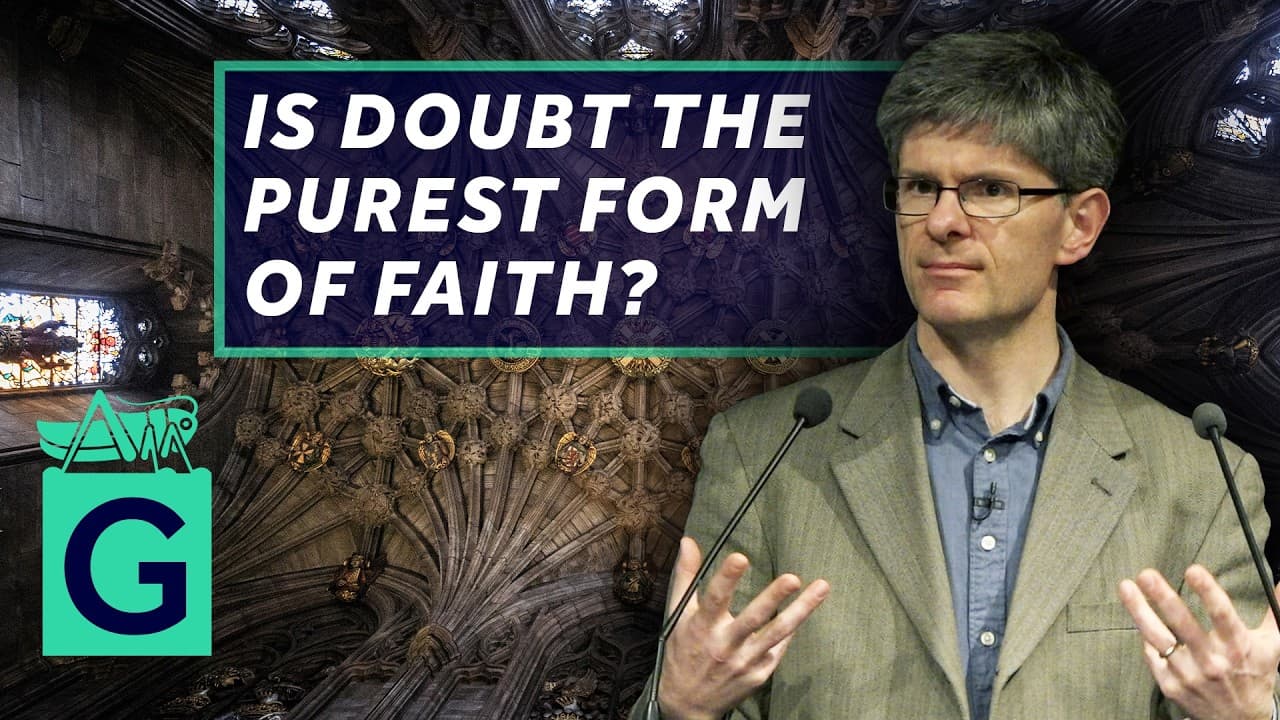
well good evening everybody welcome to the fifth of these lectures on the emotional history of atheism and unbelief in the Western tradition in the last lecture we saw that while the religious establishments of the 16th and 17th centuries were panicking about the mostly imaginary atheism of a moral Machiavellian Libertines a quite different form of... Read More
Key Insights
- ❓ Doubt was a significant part of religious experience during the Reformation period, particularly for those earnest in their faith.
- 💁 Unbelief took various forms, from outright rejection of traditional religious practices to the pursuit of purely moral and spiritual journeys.
- 🥺 Seekers questioned doctrines, practices, and authority, waiting for proof and miracles to lead them.
Install to Summarize YouTube Videos and Get Transcripts
Explore YouTube Video Summarizer or Get YouTube Transcript Extractor
Questions & Answers
Q: How did the religious establishments of the 16th and 17th centuries perceive atheism?
The religious establishments were panicking about the perceived atheism of moral Libertines, but a different form of unbelief, driven by anxiety and doubt among earnest Christians, was actually present.
Q: Why did the period of the Reformation present a dilemma for those experiencing doubt?
The Reformation period emphasized the importance of belief and doubt, with doubt being seen as a temptation that only those earnest in their faith experienced. It was believed that overcoming doubt made one's faith stronger.
Q: What were the key beliefs of the spiritualists?
Spiritualists believed that true religion should be solely inward and spiritual, rejecting outward practices, ceremonies, and sacraments. They emphasized the inner journey to perfection and believed that even pagans and Muslims could join this journey.
Q: How did seekers grapple with religious uncertainty?
Seekers questioned traditional religious practices such as baptism, sacraments, and worship. They sought proof and miracles to guide them, and in the meantime, transposed their religion into a moral key, striving to live honestly and modestly.
Summary & Key Takeaways
-
In a time of religious establishments and social conventions, a different form of unbelief emerged, driven by anxiety and doubt among sincere Christians.
-
Doubt was seen as a temptation and trial by combat, with the potential to strengthen one's faith if overcome.
-
Spiritualists rejected outward religious practices and sought a purely spiritual and moral journey. Seekers questioned doctrines, practices, and authority, waiting for proof and miracles to guide them.
Read in Other Languages (beta)
Share This Summary 📚
Summarize YouTube Videos and Get Video Transcripts with 1-Click
Try YouTube Summary with ChatGPT & Claude or YouTube Transcript Generator
Explore More Summaries from Gresham College 📚

Summarize YouTube Videos and Get Video Transcripts with 1-Click
Try YouTube Summary with ChatGPT & Claude or YouTube Transcript Generator