Jackson Katz: Violence against women—it's a men's issue
TL;DR
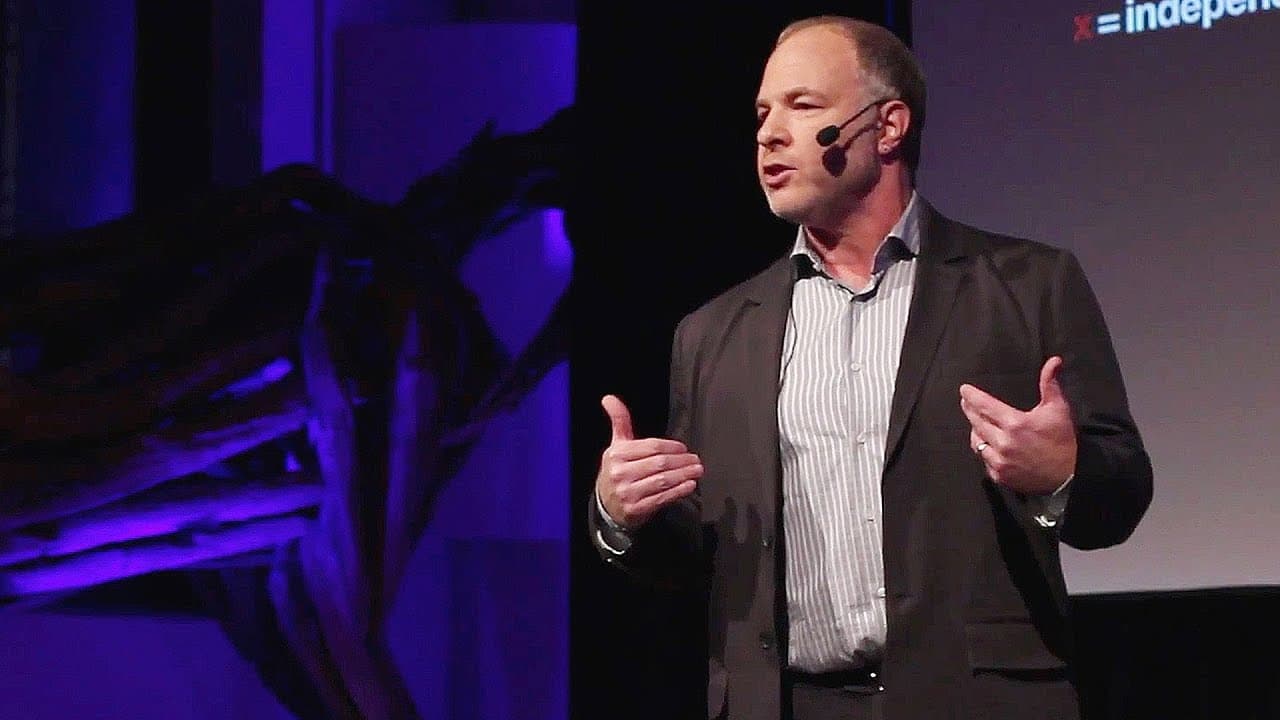
In this content, the speaker discusses the issue of gender violence and emphasizes the importance of seeing it as a men's issue rather than just a women's issue.
Transcript
Translator: Joseph Geni Reviewer: Morton Bast I'm going to share with you a paradigm-shifting perspective on the issues of gender violence: sexual assault, domestic violence, relationship abuse, sexual harassment, sexual abuse of children. That whole range of issues that I'll refer to in shorthand as "gender violence issues," they've been seen as w... Read More
Key Insights
- 👀 Calling gender violence a women's issue gives men an excuse not to pay attention and allows them to tune out the conversation.
- 🧠 The confusion around the term "gender" leads many to believe it is synonymous with women's issues, further perpetuating the invisibility of men in discussions about gender violence.
- 🌍 Dominant systems maintain and reproduce themselves by not challenging the dominant group to think about its dominance, hence men's role in gender violence is often ignored.
- 💔 Victim-blaming is pervasive in discussions about gender violence, highlighting the need to shift the focus from asking about the victim's actions to understanding why abusers behave the way they do.
- 🙌 Men play a powerful role in the prevention of gender violence by challenging and interrupting abusive behavior in their peers, ultimately creating a peer culture where such behavior is seen as unacceptable.
- 💪 The responsibility of challenging gender violence should not solely fall on marginalized groups, but on adult men with power who need leadership training to address these issues effectively.
- 🌟 Men should break their complicit silence, challenge each other, and stand with women in the fight against gender violence.
- 🌍 Ending gender violence requires a paradigm shift and leadership from both men and women to create a world where future generations don't have to endure the same level of tragedy.
Install to Summarize YouTube Videos and Get Transcripts
Explore YouTube Video Summarizer or Get YouTube Transcript Extractor
Questions & Answers
Q: What is the paradigm-shifting perspective on gender violence discussed in the video?
The paradigm-shifting perspective on gender violence discussed in the video is that these issues are not solely women's issues, but are also men's issues. It is argued that by labeling them as women's issues, men are given an excuse to not pay attention or take action.
Q: Why is it problematic to view gender violence as solely a women's issue?
Viewing gender violence as solely a women's issue gives men an excuse to tune it out and not take responsibility. It also perpetuates the idea that gender issues are synonymous with women's issues, leading to a lack of attention towards men's involvement in these issues.
Q: How does language and sentence structure contribute to the invisibility of men in conversations about gender violence?
The video discusses how language and sentence structure can shift the focus away from men in discussions about gender violence. The example given is how the sentence "John beat Mary" can be transformed into "Mary was beaten by John," slowly shifting the attention away from John and onto Mary as the victim.
Q: What kind of questions should be asked to address issues of gender violence?
Instead of focusing on the actions and choices of women as victims, the video argues that the focus should be on men as perpetrators. Questions like "Why does John beat Mary?" and "What is going on with men that lead to abuse?" should be asked in order to understand the root causes and address them effectively.
Q: What is the bystander approach to gender-violence prevention?
The bystander approach aims to shift the focus from perpetrators and victims to all individuals who are not directly involved in the abuse. It encourages friends, colleagues, and family members to speak up, challenge abusive behavior, and create a peer culture where such behavior is seen as unacceptable.
Q: What is the importance of men speaking out against gender violence?
Men speaking out against gender violence is important because their voices can reach an audience that may not listen to or hear the same messages from women. It is crucial for men to challenge each other and demonstrate leadership in breaking the silence surrounding violence against women and children.
Q: Why is men's leadership important in addressing gender violence?
Men's leadership is important in addressing gender violence because they hold positions of power and influence in society. By prioritizing these issues and making them a central part of their leadership, men can create real change and challenge the norms and behaviors that perpetuate violence.
Q: How can men break their complicit silence and challenge each other?
Men can break their complicit silence and challenge each other by having the courage, strength, and moral integrity to speak up and take action. They need to interrupt and challenge sexist and degrading remarks, support victims, and actively work towards creating a peer culture climate where abusive behavior is seen as unacceptable.
Summary & Key Takeaways
-
The speaker argues that issues of gender violence are not just women's issues, but are also men's issues that need to be addressed.
-
He explains how language and societal structures contribute to the erasure of men from conversations about gender violence and how this perpetuates the problem.
-
The speaker introduces the bystander approach as a way for men to intervene and challenge abusive behaviors, and emphasizes the importance of men taking leadership roles in addressing these issues.
Read in Other Languages (beta)
Share This Summary 📚
Summarize YouTube Videos and Get Video Transcripts with 1-Click
Try YouTube Summary with ChatGPT & Claude or YouTube Transcript Generator
Explore More Summaries from TED 📚






Summarize YouTube Videos and Get Video Transcripts with 1-Click
Try YouTube Summary with ChatGPT & Claude or YouTube Transcript Generator