Stem Cell Therapy - Miracles or Money Wasted?
TL;DR
Stem cell therapy holds significant promise for repairing damaged organs and improving health, but its widespread use and effectiveness still require more research.
Transcript
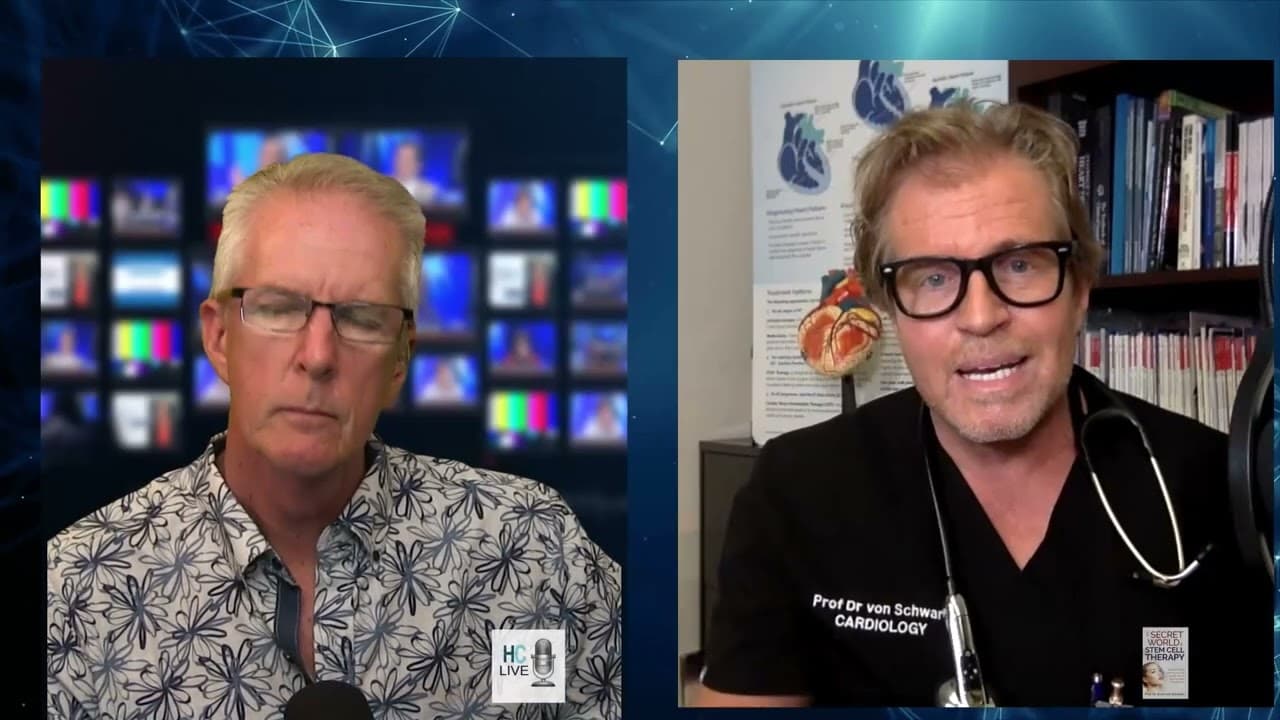
hi I'm Lee Kelsey host of the healthcare live radio hour I am glad that you're here to meet a medical school Professor a cardiologist who says that stem cells are one of the most remarkable advances in medicine in our lifetime so what's going on and how can we see these treatments be more widely used and more effective he is the author of a new boo... Read More
Key Insights
- 🔬 Stem cells offer a paradigm shift in medicine, moving from reactive treatments to regenerative therapies that repair damage and restore organ function.
- 💪 As we age, the potency and quantity of stem cells in our body decrease, limiting their effectiveness in repairing damage.
- 📚 Stem cell therapy is still in the research and clinical trial phase, with limited FDA approval and data available.
- 🩹 Stem cells can potentially regenerate scar tissue and improve heart function, but widespread use and approval is still lacking.
- 💔 Stem cell therapy holds benefits for various conditions, such as arthritis, Parkinson's disease, and heart disease, but more extensive studies are needed for FDA approval.
- ⚠️ Beware of fraudulent organizations and misleading advertising promoting unproven stem cell therapies.
- 📝 When seeking stem cell therapy, consumers should research providers, inquire about the type of cells used, and the provider's academic background and scientific knowledge. ⏳ The future of stem cell therapy looks promising, but large-scale clinical trials and significant financial support are required for dependable, widely available treatments.
Install to Summarize YouTube Videos and Get Transcripts
Explore YouTube Video Summarizer or Get YouTube Transcript Extractor
Questions & Answers
Q: How do stem cells contribute to the repair of damaged organs?
Stem cells have the ability to regenerate damaged tissue by developing into specific cells needed for repair, such as heart muscle cells or liver cells.
Q: Why is stem cell therapy not widely used or FDA approved?
Stem cell therapy is still in the research phase and requires large-scale clinical trials and more data to gain FDA approval. Currently, it is considered experimental and lacks sufficient scientific evidence to support widespread use.
Q: Can stem cell therapy effectively treat arthritis in the knee?
Stem cell injections in the knee have shown positive results, as stem cells have anti-inflammatory effects, improve circulation, and have some regenerative capabilities. However, it is important to seek reputable providers and understand that the procedure is not FDA approved.
Q: How can consumers evaluate the benefits and costs of stem cell procedures?
Consumers should thoroughly research providers, their academic background, and the source of the stem cells. While stem cell therapy can be expensive, it is considered experimental and not covered by insurance. It is a personal decision based on individual conditions and risks.
Summary & Key Takeaways
-
Stem cells have the potential to repair damaged organs and tissues, shifting medicine towards regenerative treatments.
-
As we age, the quantity and quality of our stem cells decrease, limiting their effectiveness in repairing damage.
-
Stem cell therapy, while showing promising results, is still in the research and clinical trial phase and is not widely available or approved by the FDA.
Read in Other Languages (beta)
Share This Summary 📚
Summarize YouTube Videos and Get Video Transcripts with 1-Click
Try YouTube Summary with ChatGPT & Claude or YouTube Transcript Generator