Why Humans Feel Disgust, and Why Other Animals Might Too
TL;DR
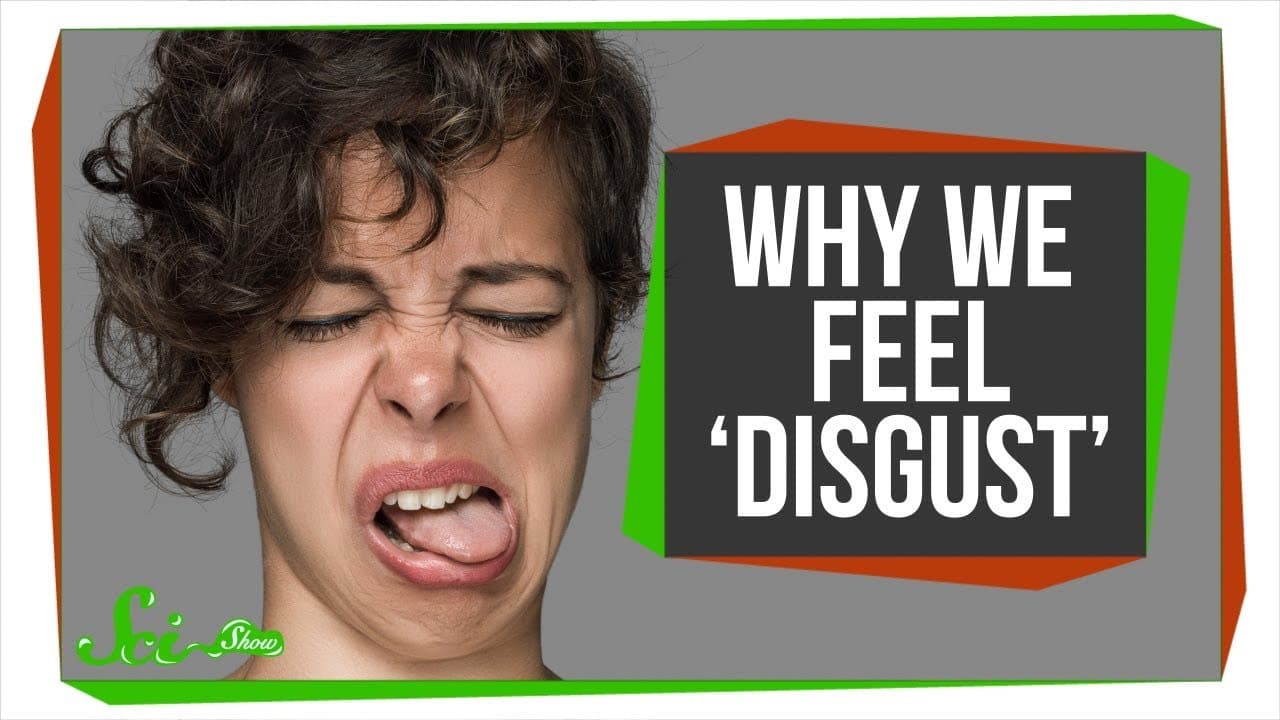
A new study explores the six categories of disgust that humans experience, which align with the parasite avoidance theory and serve as a means of protecting against infectious diseases.
Transcript
it's a dirty world out there well like there's literal dirt there's a lot of dirt but I'm not talking about dirty dirt I'm talking about the stuff that makes us sick pathogens parasites and because they're basically everywhere there's a good chance that they might end up inside you so all these little jerks evolved to exploit us it makes sense that... Read More
Key Insights
- 🤢 Disgust serves as an evolutionary mechanism to protect against harmful pathogens and parasites.
- 🧔♀️ Humans experience different levels of sensitivity to disgust, with women generally being more sensitive than men.
- 🤢 Bonobos, our genetic relatives, also exhibit avoidance behaviors towards contamination, supporting the idea that disgust is widespread among animals.
- 😑 Disgust can have cultural and individual variations, suggesting that environmental factors may influence its expression.
- 🤢 The findings of these studies contribute to our understanding of how disgust plays a role in disease prevention and overall health.
- 😋 The avoidance of disgust-inducing stimuli, such as rotting food or bodily excretions, is a common instinct based on the potential for disease transmission.
- 🙂 The relationship between disgust and moral judgments is not explored in these studies, but further research could shed light on the connection.
Install to Summarize YouTube Videos and Get Transcripts
Explore YouTube Video Summarizer or Get YouTube Transcript Extractor
Questions & Answers
Q: What are the six main categories of disgust identified in the first study?
The six main categories of disgust are hygiene disgust, animal disgust, sex disgust, typical appearance disgust, lesion disgust, and food disgust.
Q: How do these categories align with the parasite avoidance theory?
The categories of disgust identified in the study align with the parasite avoidance theory, as they reflect behaviors that reduce the risk of catching diseases, such as avoiding potentially sick individuals or contaminated substances.
Q: Did the studies explore the relationship between disgust and moral judgments?
The studies focused on infectious disease and did not specifically investigate moral disgust, which involves judging people who do not fit social norms. However, there is likely some connection between the two concepts.
Q: Were there any differences in sensitivity to disgust between genders?
On average, women were more likely to rate scenarios as more disgusting than male respondents. They found risky sexual behavior and animals carrying disease to be particularly gross.
Summary & Key Takeaways
-
Two studies were conducted to investigate the different categories of disgust experienced by humans and their relation to disease prevention.
-
The first study surveyed participants to identify six main categories of disgust, including hygiene disgust, animal disgust, sex disgust, typical appearance disgust, lesion disgust, and food disgust.
-
The second study exposed bonobos to contaminated fruits and unpleasant odors to determine their avoidance behavior, which suggested a link between disgust and immune system development.
Read in Other Languages (beta)
Share This Summary 📚
Summarize YouTube Videos and Get Video Transcripts with 1-Click
Try YouTube Summary with ChatGPT & Claude or YouTube Transcript Generator
Explore More Summaries from SciShow 📚

Summarize YouTube Videos and Get Video Transcripts with 1-Click
Try YouTube Summary with ChatGPT & Claude or YouTube Transcript Generator