Why Is China's Economic Growth Slowing?
TL;DR
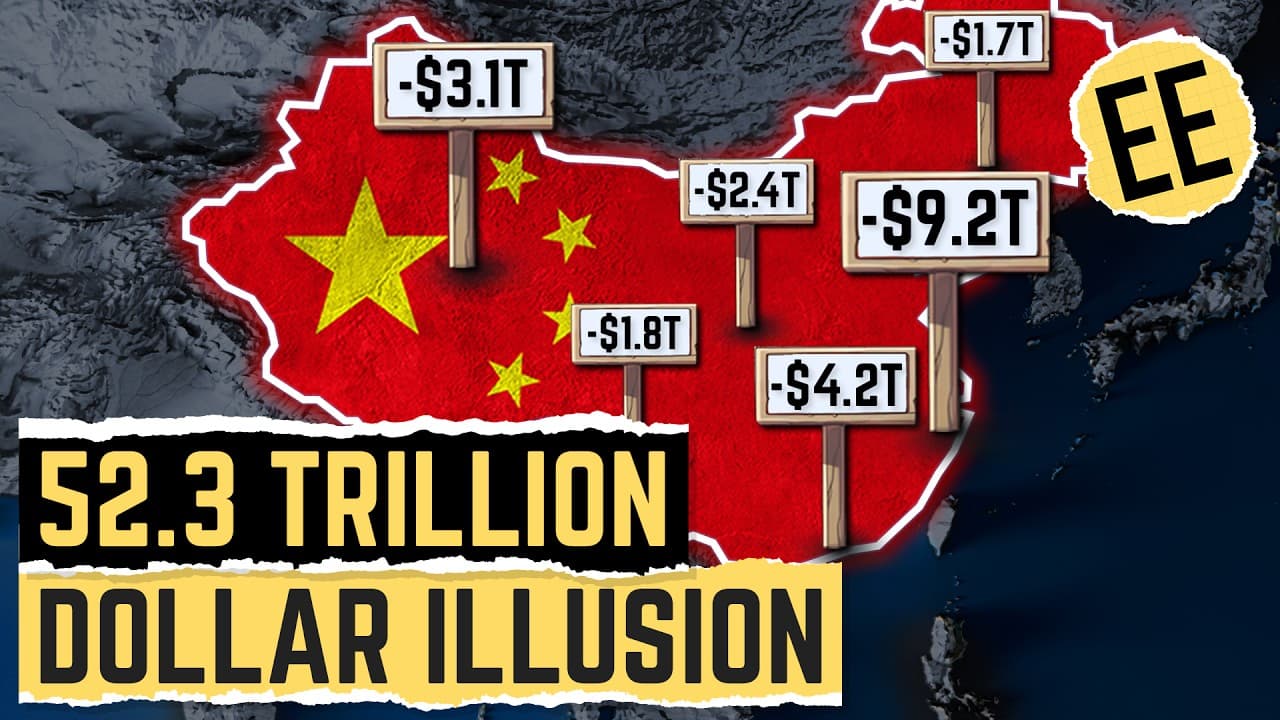
China's rapid economic growth, driven by reforms since the 1980s, has slowed, raising concerns about sustainability. The country faces challenges such as deflation, high debt levels, and reduced consumer spending. These issues stem from over-reliance on continuous growth, leading to potential long-term economic instability.
Transcript
Economists should have known better. In 1980, under the direction of this man, Deng Xiaoping, the new paramount leader of the People's Republic of China, a small town across the border from Hong Kong was given special economic privileges to trade and do business with the outside capitalist world. The city at the time was only home to around 330,000... Read More
Key Insights
- Shenzhen transformed from a small town to a global economic hub due to economic reforms initiated in the 1980s.
- China's economic growth has significantly reduced poverty and lowered the cost of consumer goods globally.
- The expectation of perpetual high growth has led to short-term economic strategies at the expense of long-term stability.
- China's current economic growth rate of 5% is considered low domestically but would be exceptional in many Western economies.
- The country's high debt levels, particularly at provincial and corporate levels, pose significant economic risks.
- Deflation in China indicates underlying economic issues, such as reduced consumer spending and potential stagnation.
- China's real estate sector, driven by speculative investments, is highly vulnerable to economic slowdowns.
- The Belt and Road Initiative has not yielded the expected economic benefits and has increased China's international debt exposure.
Install to Summarize YouTube Videos and Get Transcripts
Explore YouTube Video Summarizer or Get YouTube Transcript Extractor
Questions & Answers
Q: Why is China's economic growth slowing?
China's economic growth is slowing due to several factors, including reduced consumer spending, high levels of debt across various sectors, and deflation. The country's earlier reliance on continuous high growth created expectations and strategies that are unsustainable in the long term, making the economy vulnerable to slowdowns.
Q: What are the impacts of deflation in China?
Deflation in China signals reduced consumer spending and potential economic stagnation. It can lead to lower business revenues, wage stagnation, and increased caution among consumers and investors. This environment can further slow economic growth, particularly in a country reliant on low-cost manufacturing and continuous growth.
Q: How has China's debt affected its economy?
China's high levels of debt, particularly at the provincial and corporate levels, pose significant risks to its economy. These debts were incurred based on expectations of continued high growth, which has not materialized. The resulting financial strain could lead to economic instability and challenges in managing future growth.
Q: What role did Shenzhen play in China's economic transformation?
Shenzhen was a key player in China's economic transformation, evolving from a small town to a global economic hub. This change was driven by economic reforms in the 1980s, which opened the city to international trade and investment, setting a model for other regions in China to follow.
Q: Why is China's real estate sector vulnerable?
China's real estate sector is vulnerable due to speculative investments based on the assumption of continuous high growth. This has led to overbuilding and significant debt, with many developments remaining unoccupied. As growth slows, these investments become riskier, threatening the stability of the sector and the broader economy.
Q: What is the Belt and Road Initiative, and how has it impacted China?
The Belt and Road Initiative is China's strategy to fund infrastructure development in emerging economies to build trade partnerships. However, it has not yielded the expected economic benefits and has increased China's international debt exposure, complicating its economic challenges as growth slows.
Q: How does China's growth compare to Western economies?
China's current growth rate of around 5% is considered low by its historical standards but would be exceptional in many Western economies, where growth rates of 2-3% are typical. This discrepancy highlights the high expectations and pressures on China's economy to maintain rapid growth.
Q: What are the long-term risks of China's economic model?
The long-term risks of China's economic model include over-reliance on continuous high growth, high debt levels, and the potential for economic instability due to speculative investments. As growth slows, these issues become more pronounced, threatening the sustainability of China's economic success.
Summary & Key Takeaways
-
China's economic transformation since the 1980s has been remarkable, with cities like Shenzhen becoming global economic powerhouses. However, the country's reliance on continuous high growth has led to significant challenges, including high debt levels and deflation, raising concerns about long-term stability.
-
The expectation of double-digit growth has driven short-term economic strategies, resulting in high debt at national, provincial, and corporate levels. This has made the economy vulnerable to slowdowns, particularly in sectors like real estate and infrastructure.
-
Deflation, a sign of reduced consumer spending and potential economic stagnation, is a growing concern for China. The country's rapid growth has masked underlying issues, but as growth slows, these challenges become more apparent, threatening the sustainability of China's economic miracle.
Read in Other Languages (beta)
Share This Summary 📚
Summarize YouTube Videos and Get Video Transcripts with 1-Click
Try YouTube Summary with ChatGPT & Claude or YouTube Transcript Generator
Explore More Summaries from Economics Explained 📚





Summarize YouTube Videos and Get Video Transcripts with 1-Click
Try YouTube Summary with ChatGPT & Claude or YouTube Transcript Generator