Jim Gaffigan: Disagree with Someone? Calling Them a Moron Won't Help | Best of '16 | Big Think
TL;DR
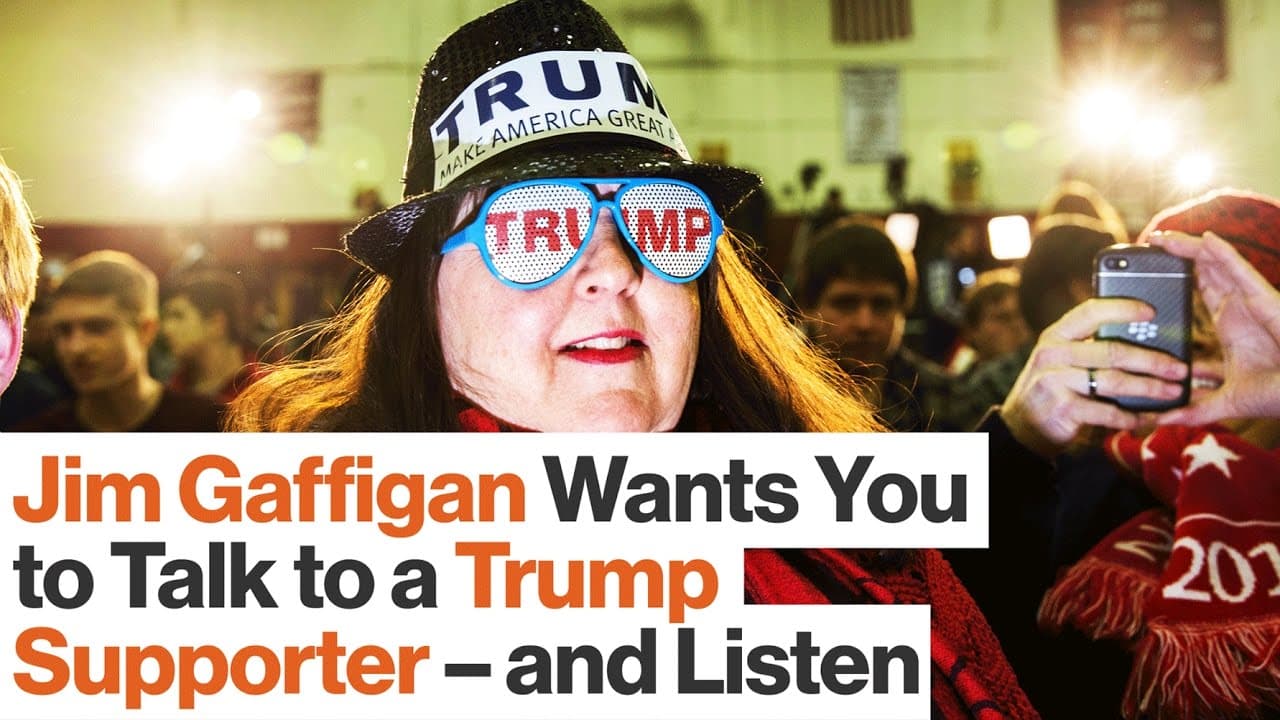
The speaker challenges stereotypes and urges for open dialogue and understanding of differing viewpoints, emphasizing the importance of not dismissing or demeaning others based on appearances or political beliefs.
Transcript
If you have a problem with the patriarchy or with white people you‘d look at me and you’d go this guy invented white people because he’s so white. He probably invented slavery. He probably was resistant to women voting. So the weird thing is I do feel like sometimes even people talking about Trump or some outlandish conservative opinion will kind o... Read More
Key Insights
- 💀 The speaker challenges societal assumptions based on appearance and highlights the dangers of making assumptions about someone's political beliefs.
- 🤗 He critiques the dismissiveness and lack of dialogue when it comes to discussing differing opinions, calling for open discussions and understanding.
- 🤗 The speaker encourages individuals to be open to exploring different perspectives and not limit themselves to one news source.
- 👯 He emphasizes the value of friendships with people of different opinions and the opportunities they present for personal growth.
- 😯 The speaker finds it important to recognize moments of relatability and understanding in the speeches of individuals with radical opinions.
- 😨 He points out that, despite emotional disagreement, there may be shared fears and desires for greatness among people with differing viewpoints.
- 🔇 The speaker mentions the existence of geographic influences on political beliefs and news consumption.
Install to Summarize YouTube Videos and Get Transcripts
Explore YouTube Video Summarizer or Get YouTube Transcript Extractor
Questions & Answers
Q: How does the speaker view the dismissiveness towards those with differing viewpoints?
The speaker finds the dismissiveness towards differing viewpoints problematic, as it prevents open discussions and understanding. He believes that simply labeling others as "morons" does not lead to persuasion or meaningful dialogue.
Q: How does the speaker perceive the media's role in shaping opinions?
The speaker mentions Fox News and MSNBC as examples of different news sources that people adhere to. He defends the idea of exploring different perspectives, regardless of personal agreement or support.
Q: What does the speaker emphasize about his friendships with people of different opinions?
The speaker values his friendships with individuals who hold different opinions, viewing them as opportunities to learn and grow. He emphasizes the importance of not dismissing or demeaning others based on differing beliefs.
Q: How does the speaker address the coverage and impact of Trump's speeches?
The speaker acknowledges that, while emotionally disagreeing with Trump, there are moments where his speeches are articulate and relatable. He believes that failing to recognize these points denies the potential for understanding and connection.
Summary & Key Takeaways
-
The speaker expresses frustration with being judged based on his appearance as a white man and assumptions made about his political beliefs.
-
He criticizes the dismissiveness and lack of dialogue towards those with differing opinions, urging for understanding and open discussions.
-
The speaker highlights the need to recognize that even individuals with radical opinions may have valid points and the importance of acknowledging those moments.
Read in Other Languages (beta)
Share This Summary 📚
Summarize YouTube Videos and Get Video Transcripts with 1-Click
Try YouTube Summary with ChatGPT & Claude or YouTube Transcript Generator
Explore More Summaries from Big Think 📚



Summarize YouTube Videos and Get Video Transcripts with 1-Click
Try YouTube Summary with ChatGPT & Claude or YouTube Transcript Generator