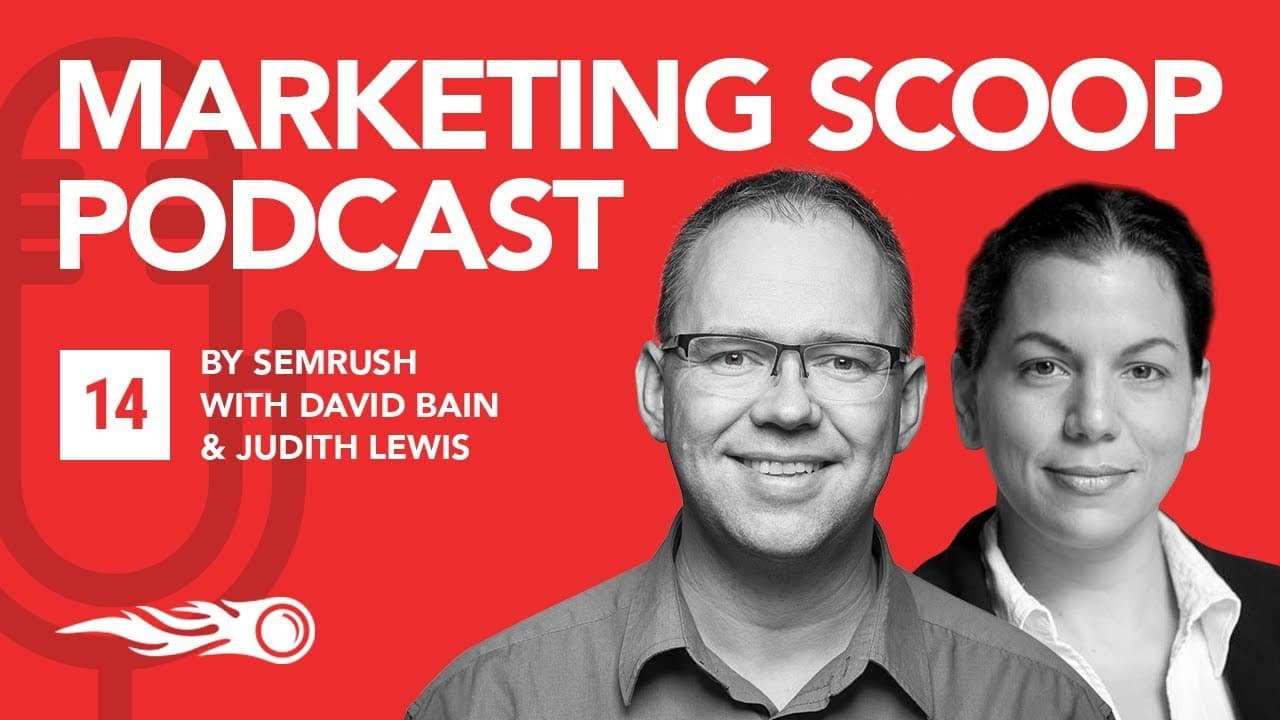
Marketing Scoop Episode 2.14 [Content Marketing] Social Media Content that Converts
TL;DR
Discusses strategies for effective social media content marketing.
Transcript
well hello there and welcome to the recording of an episode 2.14 of marketing scoop we're gonna get going with the proper more formal introduction in the next three or four minutes but we like to give people just an opportunity to join in and see what's happening here before we actually start this show a proper it's always good to feel what the aud... Read More
Key Insights
- Social media is essential for businesses as it is integral to modern marketing strategies, and ignoring it could mean missing out on potential customers.
- Time management is crucial for small businesses on social media; using tools and scheduling can help manage limited resources effectively.
- Instagram is a growing platform even for B2B businesses, with its visual nature attracting a significant audience.
- Live video is gaining traction for its authenticity; brands should use it to engage with audiences and accept imperfections.
- Content should focus on adding value to the audience's lives; irrelevant or overly promotional content can turn users off.
- Understanding customer aspirations and emotions can help tailor content more effectively than traditional marketing personas.
- After broadcasting live video, brands should repurpose content into smaller clips for various platforms to maximize reach.
- LinkedIn and Twitter are effective platforms for short video snippets, with LinkedIn currently offering excellent organic reach.
Install to Summarize YouTube Videos and Get Transcripts
Explore YouTube Video Summarizer or Get YouTube Transcript Extractor
Questions & Answers
Q: How actionable can social media really be for businesses?
Social media is highly actionable for businesses as it is now a crucial part of marketing strategies. It allows businesses to reach a wide audience, engage with customers, and build brand awareness. Despite the time investment, social media offers a platform for direct interaction with potential clients, making it indispensable.
Q: What should businesses do if they have limited time for social media?
Businesses with limited time should focus on creating a strategic plan that prioritizes key platforms where their audience is most active. Utilizing scheduling tools and delegating tasks to team members or external agencies can help manage time effectively. It's about working smarter, not harder, on social media.
Q: How can businesses measure the ROI of their social media efforts?
Measuring ROI on social media can be done through tracking specific metrics like engagement rates, website traffic from social media links, and conversion rates from social ads. Businesses should set clear goals and KPIs for their social media activities to evaluate the effectiveness of their strategies.
Q: Should B2B businesses consider Instagram as part of their strategy?
Yes, B2B businesses should consider Instagram, especially if their audience is active on the platform. Instagram's visual nature can be leveraged to showcase products, company culture, and thought leadership. However, businesses should ensure they create content that resonates with their target audience and aligns with their brand.
Q: What is the role of live video in social media marketing?
Live video plays a significant role in social media marketing by providing a platform for real-time interaction and authenticity. It allows brands to engage directly with their audience, answer questions, and build a community. Live video is trusted more by audiences due to its unedited nature, making it a powerful tool for engagement.
Q: What type of content tends to turn people off on social media?
Content that is overly promotional, irrelevant, or fails to add value to the audience's lives can turn people off on social media. Users prefer content that is entertaining, informative, or helps them solve problems. Brands should focus on understanding their audience's needs and preferences to create engaging content.
Q: How can businesses personalize their content beyond using personas?
Businesses can personalize content by engaging directly with their audience to understand their aspirations, challenges, and interests. Conducting interviews or surveys with customers can provide deeper insights into their motivations, allowing brands to tailor content that resonates more personally with their audience.
Q: What should brands do with their live video content after broadcasting?
After broadcasting, brands should repurpose live video content into shorter clips or highlights to share across different platforms like LinkedIn, Twitter, and Instagram. This not only maximizes the content's reach but also keeps the audience engaged with bite-sized, easily consumable content. Engaging with post-broadcast comments can also enhance community building.
Summary & Key Takeaways
-
The episode emphasizes the importance of social media in modern marketing, highlighting the necessity for businesses to be active on these platforms. It discusses the role of Instagram, even in B2B sectors, due to its visual appeal and significant user base.
-
Live video is highlighted as a tool for authenticity, with the potential to build trust and engagement. Brands are encouraged to embrace imperfections and engage with their audience during live sessions to build a community.
-
The discussion also covers the importance of repurposing live video content across multiple platforms to increase its lifespan and reach. The episode concludes with actionable tips for starting with live video and utilizing stories for personalized engagement.
Read in Other Languages (beta)
Share This Summary 📚
Summarize YouTube Videos and Get Video Transcripts with 1-Click
Try YouTube Summary with ChatGPT & Claude or YouTube Transcript Generator
Explore More Summaries from Semrush 📚
Summarize YouTube Videos and Get Video Transcripts with 1-Click
Try YouTube Summary with ChatGPT & Claude or YouTube Transcript Generator