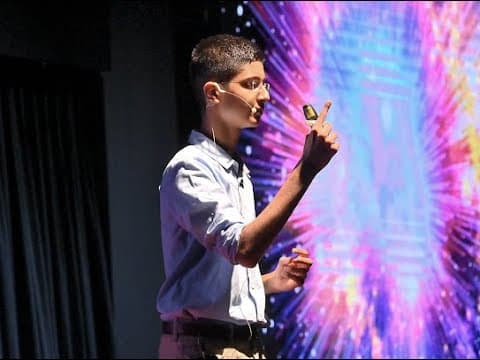
You Are More Than Your Fate | Victoria Igamberdieva | TEDxALKEV Youth
TL;DR
Religious biases can lead to discrimination, harassment, and even catastrophic life events, affecting individuals and society as a whole.
Transcript
what would you think if I told you that people's perceptions of you as a person are influenced by your religious beliefs I mean what if one single aspect in your life made people see you differently what if your whole life fell apart because of your religion can we really connect religion with catastrophic events my dad had once told me about a sit... Read More
Key Insights
- 🥺 Discrimination towards the Muslim community increased after 9/11, leading to negative experiences and even forced relocations.
- ⚾ Implicit biases shape how individuals perceive and treat others based on their religious beliefs, contributing to stereotypes and prejudice.
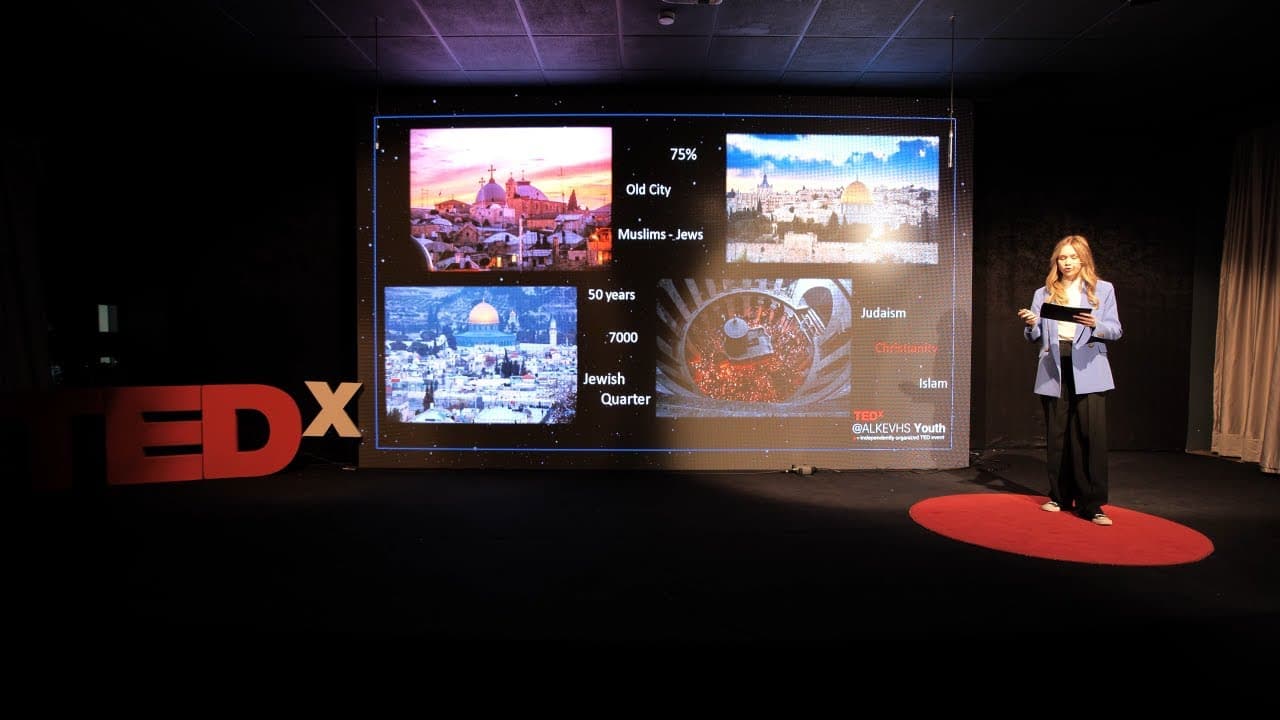
- 😀 Jerusalem's Christian minority faces challenges in a city marked by religious tension, with restrictions and favoritism impacting their identity and presence.
- ⚾ Discrimination based on religious beliefs is a critical issue that is often overlooked but has detrimental effects on individuals and society.
- 😀 Other religious minorities, such as Sikhs, Muslims, and indigenous faiths, also face discrimination and violations of their rights worldwide.
- 😯 Religious biases can lead to unfair hiring practices, hate speech, and harassment, restricting individuals' opportunities and freedom to practice their beliefs.
- 🧑 Differences in religious beliefs should not define or determine a person's worth, as we are all simply individuals who contribute to a diverse world.
Install to Summarize YouTube Videos and Get Transcripts
Explore YouTube Video Summarizer or Get YouTube Transcript Extractor
Questions & Answers
Q: How did discrimination towards the Muslim community increase after 9/11?
Following the 9/11 attacks, the Muslim community experienced a rise in discrimination, including verbal harassment and being treated with suspicion by authorities.
Q: What are implicit biases and how do they relate to religious biases?
Implicit biases are unconscious attitudes that individuals develop based on their experiences. They can lead to stereotypes and prejudice against individuals based on their religious beliefs.
Q: What challenges do Christians face in Jerusalem?
Christians in Jerusalem face restrictions, harassments, and limited opportunities, with favoritism towards other religious groups threatening their identity and existence in the city.
Q: How do religious biases impact individuals and society?
Religious biases can result in discrimination, hate speech, and violations of religious freedom. This not only affects individuals but also undermines the fabric of a diverse and inclusive society.
Summary & Key Takeaways
-
After the 9/11 attacks, discrimination towards the Muslim community increased, leading to negative experiences for individuals, such as verbal harassment and leaving their homes.
-
Implicit biases, formed from early age and experiences, can lead to stereotyping and prejudice, influencing how people perceive and treat others based on their religious beliefs.
-
In Jerusalem, the Christian minority faces challenges in a city marked by religious tension and violence, with restrictions and favoritism impacting their everyday lives.
Read in Other Languages (beta)
Share This Summary 📚
Summarize YouTube Videos and Get Video Transcripts with 1-Click
Try YouTube Summary with ChatGPT & Claude or YouTube Transcript Generator
Explore More Summaries from TEDx Talks 📚
Summarize YouTube Videos and Get Video Transcripts with 1-Click
Try YouTube Summary with ChatGPT & Claude or YouTube Transcript Generator