Biggest Facebook Ads Update NOBODY WANTED!
TL;DR
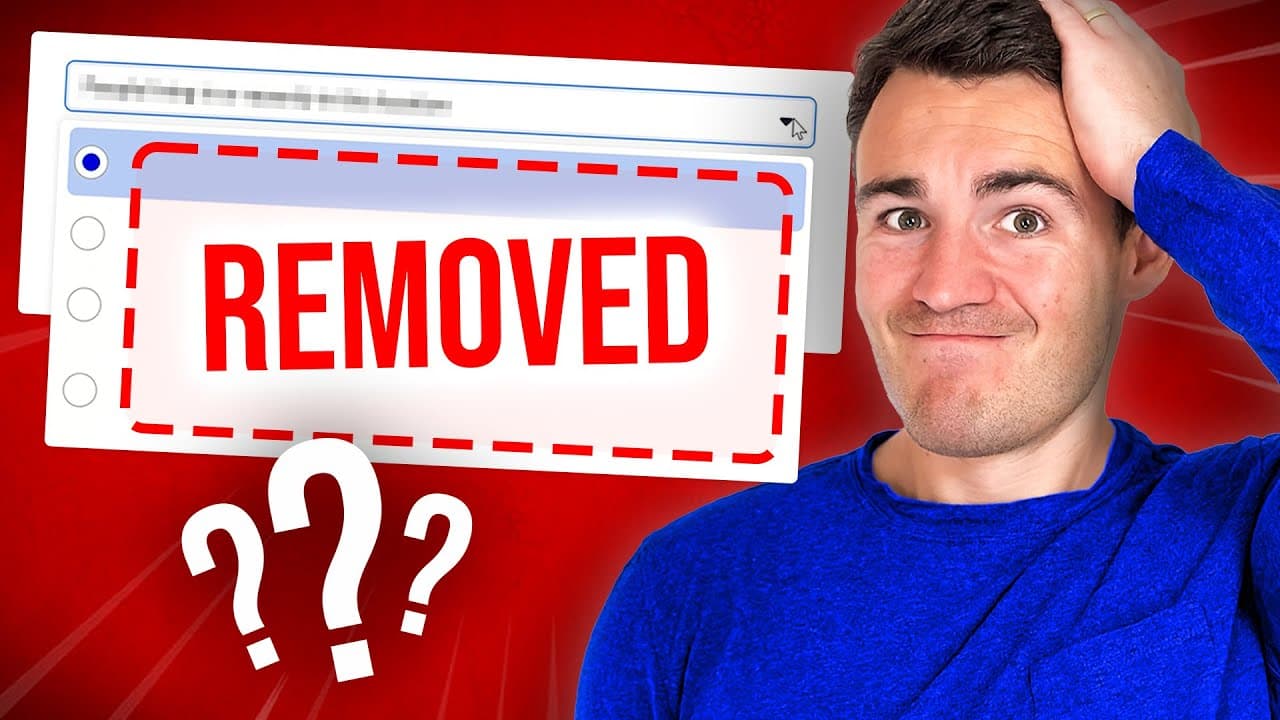
Facebook ads location targeting options are being reduced, impacting advertisers.
Transcript
the Facebook ad platform is always changing and unfortunately the latest change is not a good one for us advertisers in this video I'm going to explain what it is and what you need to do about it right now so to demonstrate what this change is I'm in an example ad account I've just created a quick example campaign and I'm going to go ahead and jump... Read More
Key Insights
- Facebook is changing its ad platform by reducing location targeting options, which will impact advertisers' ability to target specific audiences.
- The new default location targeting option will be 'people living in or recently in this location,' removing more specific targeting options.
- Advertisers will need to adjust their strategies by using ad copy and creative to specify their target audience more clearly.
- The call-out method in ad copy can help advertisers reach their desired audience by explicitly mentioning the target location.
- This change may benefit Meta by addressing privacy concerns and avoiding potential government regulation on user data tracking.
- Advertisers in tourist-heavy areas like New York or London will be more affected by this change compared to those in less-traveled regions.
- The trend of reducing targeting options is expected to continue, pushing advertisers to focus more on ad creative and offers.
- Meta's decision to limit targeting options is aimed at improving user privacy perceptions and preempting external pressures or legislation.
Install to Summarize YouTube Videos and Get Transcripts
Explore YouTube Video Summarizer or Get YouTube Transcript Extractor
Questions & Answers
Q: What is the major change in Facebook ads discussed in the video?
The major change is the reduction in location targeting options for Facebook ads. Previously, advertisers could choose from options like 'people living in,' 'people recently in,' or 'people traveling in' a location. Now, the only option will be 'people living in or recently in this location,' limiting advertisers' ability to target specific audiences precisely.
Q: How will this change impact advertisers?
This change will impact advertisers by reducing their ability to target specific audiences based on location. Advertisers in tourist-heavy areas, in particular, will find it challenging to reach their desired audience. They will need to rely more on ad copy and creative to specify their target audience and ensure their ads reach the right people.
Q: What strategy can advertisers use to adapt to this change?
Advertisers can adapt by using the call-out method in their ad copy, explicitly mentioning the target location to attract the right audience. For example, starting an ad with 'Attention New Yorkers' can help ensure the ad reaches people living in New York. This method helps differentiate ads based on location, compensating for the reduced targeting options.
Q: Why is Meta making this change to location targeting?
Meta is making this change to address privacy concerns and improve user perceptions. By limiting detailed location tracking, Meta aims to avoid appearing 'creepy' and preempt potential government regulation. This decision is part of a broader trend towards reducing targeting options to enhance user privacy and maintain a positive public image.
Q: Will this trend of reducing targeting options continue?
Yes, the trend of reducing targeting options is expected to continue. Meta is likely to further homogenize targeting and delivery options, pushing advertisers to focus more on their ad creative and offers. This shift emphasizes the importance of differentiating ad campaigns through compelling content rather than relying solely on targeting precision.
Q: How can advertisers in non-tourist areas adapt to this change?
Advertisers in non-tourist areas may be less impacted by this change but can still benefit from using the call-out method to specify their target audience. While less necessary than in tourist-heavy regions, clearly identifying the target audience in ad copy can still help improve ad performance and ensure the right people see the ads.
Q: What are the broader implications of this change for Facebook advertisers?
The broader implications include a shift in focus from precise targeting to creative ad content. As targeting options become more limited, advertisers will need to differentiate their campaigns through compelling offers and engaging ad creative. This change underscores the importance of creativity and strategy in successful Facebook advertising.
Q: What resources are available to help advertisers adjust to these changes?
Advertisers can access resources like free webinars, consulting sessions, and done-for-you advertising services to help adjust to these changes. These resources offer strategies and insights into effective ad campaigns, focusing on creative content and strategic planning to overcome the limitations of reduced targeting options.
Summary & Key Takeaways
-
Facebook is implementing a significant change to its ad platform by reducing location targeting options, which will affect how advertisers reach their audiences. This update will require advertisers to adjust their strategies by focusing more on ad copy and creative to specify their target audience.
-
The default location targeting option will now be 'people living in or recently in this location,' removing the ability to target people living, recently in, or traveling in a specific area. This change aims to address privacy concerns and prevent potential government regulation.
-
Advertisers in tourist-heavy areas will be more impacted by this change. To adapt, they can use the call-out method in their ad copy to clearly specify their target audience. This shift emphasizes the importance of ad creative and offers in differentiating ad campaigns.
Read in Other Languages (beta)
Share This Summary 📚
Summarize YouTube Videos and Get Video Transcripts with 1-Click
Try YouTube Summary with ChatGPT & Claude or YouTube Transcript Generator
Explore More Summaries from Ben Heath 📚


Summarize YouTube Videos and Get Video Transcripts with 1-Click
Try YouTube Summary with ChatGPT & Claude or YouTube Transcript Generator