Salman Rushdie on Magical Realism: True Stories Don't Tell the Whole Truth | Big Think
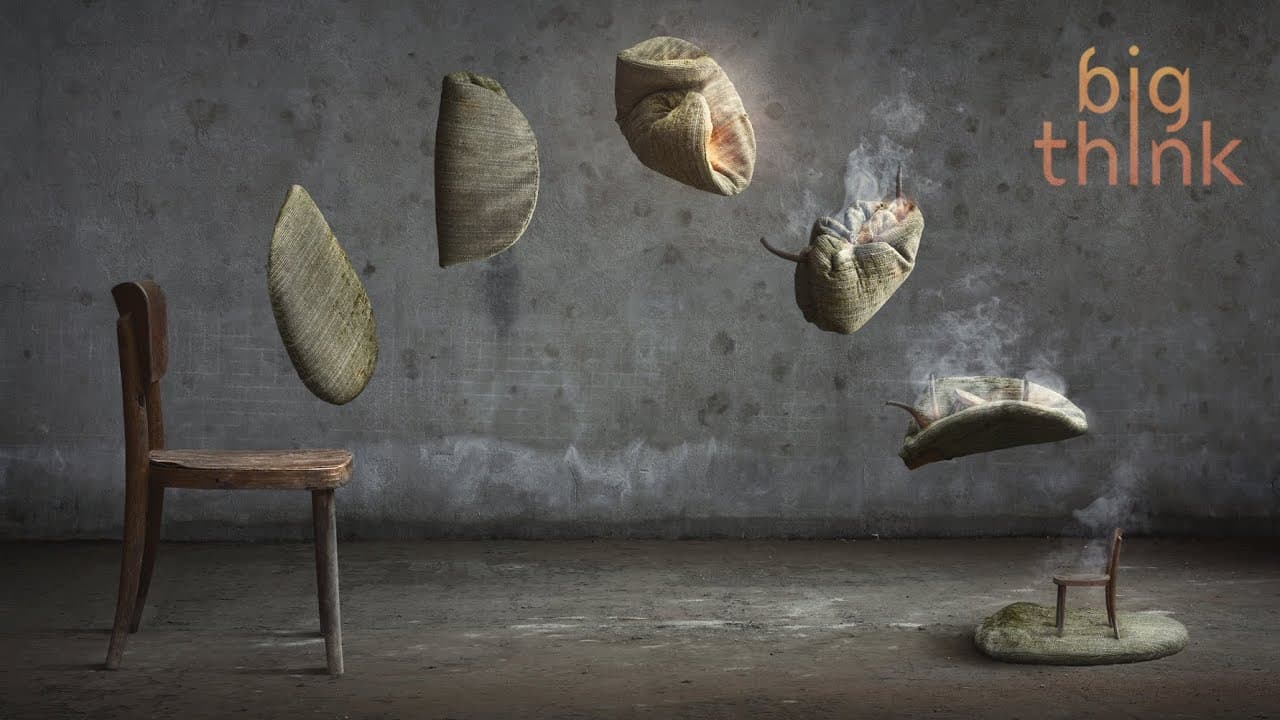
TL;DR
Magic realism combines elements of fantasy with grounded reality, providing a unique approach to exploring truth in storytelling.
Transcript
Stories don’t have to be true, you know. That by including elements of the fantastic or elements of fable or mythological elements or fairytale or just pure make believe you can actually start getting at the truth in a different way. It’s another door into the truth. And that’s why I think the thing that is interesting about the phrase magic realis... Read More
Key Insights
- 🔮 Including elements of fantasy and make-believe in stories can reveal truths in a different way, offering another door to understanding reality.
- 🔍 "Magic realism" is a genre that combines grounded reality with fantastical elements, but the term is often misunderstood as purely fantasy.
- 📚 Magical realism has roots in Latin American literature, with writers like Garcia Marquez blending fantasy and reality seamlessly.
- 🚀 The writer has always been drawn to speculative fiction, finding it a powerful vehicle for exploring and discussing novel ideas.
- 🔬 Science fiction and fantasy genres allow for the interrogation and exploration of ideas, making them effective tools for storytelling.
- 📖 The writer's interest in genre fiction is influenced by their appreciation for Eastern fables, folktales, and fairy tales.
- 💡 Combining speculative fiction with knowledge of traditional folklore helped shape the writer's unique style.
- 🌟 The writer's early exposure to science fiction and fantasy laid the foundation for their fascination with the intersection of reality and imagination in storytelling.
Install to Summarize YouTube Videos and Get Transcripts
Explore YouTube Video Summarizer or Get YouTube Transcript Extractor
Questions & Answers
Q: What is the main purpose of using magic realism in storytelling?
The main purpose of using magic realism in storytelling is to delve into truth and explore different perspectives by combining fantastic elements with a grounded vision of reality. It allows for a unique approach to storytelling that goes beyond traditional realism.
Q: Who were some of the key writers associated with magic realism?
Some of the key writers associated with magic realism include Garcia Marquez, Julio Cortazar, and Alejo Carpentier. These writers used techniques that diverged from straightforward naturalistic writing and incorporated elements of fantasy and dreams into their stories as if they were observable facts.
Q: How did Salman Rushdie's early interest in science fiction and fantasy shape his writing career?
Salman Rushdie's early interest in science fiction and fantasy influenced his writing career by instilling in him a passion for speculative fiction and the exploration of novel ideas. This interest, combined with his knowledge of Eastern fables and fairytales, contributed to the development of his unique writing style.
Q: How does magic realism provide a different perspective on truth in storytelling?
Magic realism offers a different perspective on truth in storytelling by weaving together elements of fantasy and fable with a grounding in reality. By including fantastical elements, writers can explore deeper truths and open doors to new understandings of reality. It allows readers to experience a different kind of truth that goes beyond traditional realism.
Q: Can you provide an example of a work that incorporates magic realism?
One example of a work that incorporates magic realism is Gabriel Garcia Marquez's "One Hundred Years of Solitude." In this novel, Marquez combines fantastical elements, such as flying carpets and alchemy, with a vivid portrayal of Colombian history and reality. This technique allows him to explore themes of love, power, and the cyclical nature of life in a unique and compelling way.
Summary & Key Takeaways
-
Magic realism is a writing technique that blends fantasy elements with a strong vision of reality.
-
The term "magic realism" originated in Latin America in the late 1950s and was used to describe a group of writers who incorporated fantastic elements into their works.
-
The author, Salman Rushdie, has always been interested in genre fiction, particularly science fiction and fantasy, as vehicles for exploring novel ideas.
Read in Other Languages (beta)
Share This Summary 📚
Summarize YouTube Videos and Get Video Transcripts with 1-Click
Try YouTube Summary with ChatGPT & Claude or YouTube Transcript Generator
Explore More Summaries from Big Think 📚

Summarize YouTube Videos and Get Video Transcripts with 1-Click
Try YouTube Summary with ChatGPT & Claude or YouTube Transcript Generator