Jordan 2015 - Closing
TL;DR
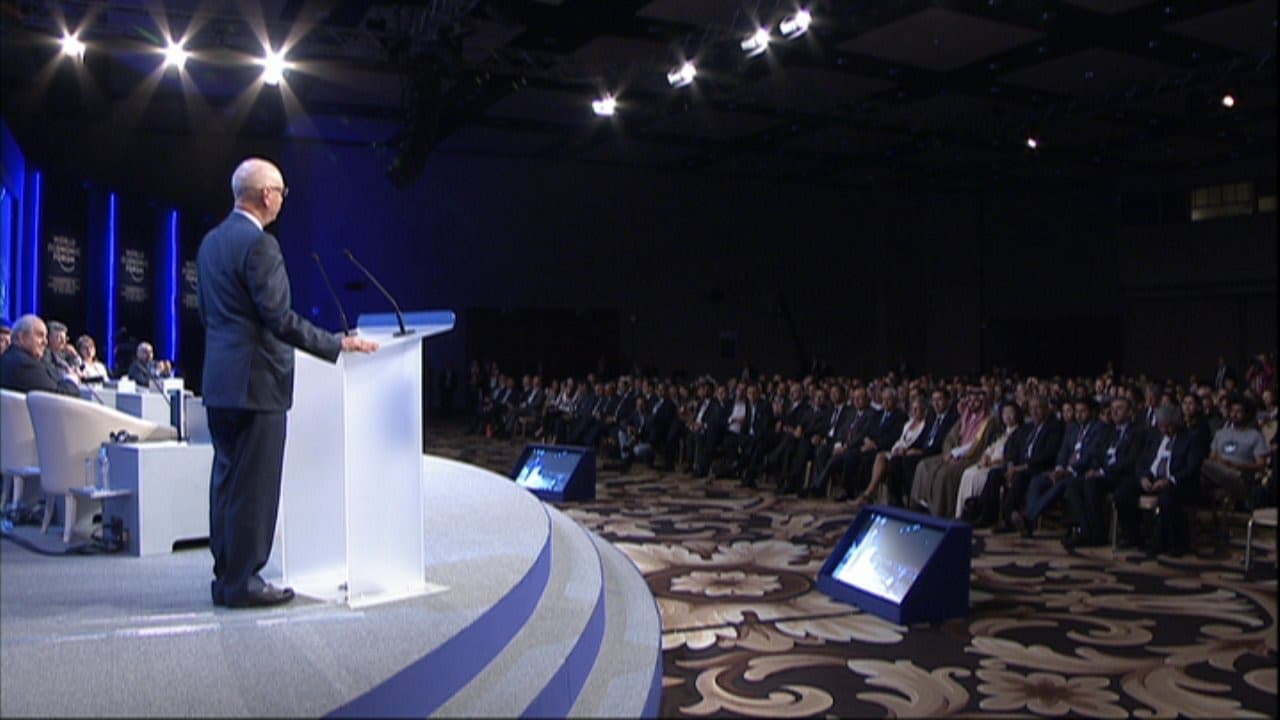
Over a three-day meeting, the World Economic Forum discussed political, economic, and societal transformations in the Middle East and North Africa region and emphasized the importance of collaboration to address challenges such as radicalization and violent extremism.
Transcript
first i would like to thank also the panel for sharing with us uh so insights we come to an end of the most lively interactive meeting and i would like first to thank the his majesty her majesty the government of jordan the people of jordan the security forces for the great hospitality which we have all perceived here in this country please join me... Read More
Key Insights
- 😀 Collaboration and cooperation among different stakeholders are essential to effectively address the challenges faced by the Middle East and North Africa region.
- 🧑🏭 Radicalization and violent extremism are major concerns that require comprehensive strategies, including addressing political, socioeconomic, and media-related factors.
- ✌️ Creating jobs and promoting economic growth through initiatives like the new vision for Arab employment can contribute to stability and peace.
- ❓ Infrastructure development is crucial for regional economic cohesion and creating opportunities for the youth.
- 🖐️ Jordan plays a significant role as a leader in the region and is taking tangible steps towards growth and development.
- 🥺 The commitment of leaders from Israel and Palestine to continue working towards a two-state solution demonstrates the importance of civil society-led initiatives.
- 😑 The refugee crisis remains a pressing issue that requires comprehensive solutions and international cooperation.
Install to Summarize YouTube Videos and Get Transcripts
Explore YouTube Video Summarizer or Get YouTube Transcript Extractor
Questions & Answers
Q: What were the key themes of the World Economic Forum meeting in Jordan?
The meeting discussed political, economic, and societal transformations in the Middle East and North Africa, with a focus on addressing radicalization, creating jobs, and promoting cooperation between different stakeholders.
Q: What were some of the commitments made during the meeting?
The World Economic Forum's regional business council pledged to create a hundred thousand jobs by 2017. Business leaders from Israel and Palestine also committed to continue their efforts towards a two-state solution through civic society-led initiatives.
Q: What were the main concerns regarding the region's challenges?
The meeting highlighted the importance of addressing the conditions that contribute to radicalization, such as political and socioeconomic issues, as well as the role of social media in amplifying extremist ideologies. The refugee crisis was also recognized as a significant challenge.
Q: What were some of the initiatives discussed to promote economic, political, and social reform?
Jordan's King Abdullah II announced major new projects during the summit to promote growth and development. Infrastructure financing and development were identified as vital priorities for the region.
Summary & Key Takeaways
-
The meeting focused on the challenges faced by the Middle East and North Africa region and the need for collaboration among different stakeholders to address them.
-
Key topics discussed included violent extremism, political and socioeconomic conditions, the role of social media, and the refugee crisis.
-
Commitments were made by civil society organizations, businesses, and government leaders to tackle radicalization, create jobs, and promote infrastructure development.
Read in Other Languages (beta)
Share This Summary 📚
Summarize YouTube Videos and Get Video Transcripts with 1-Click
Try YouTube Summary with ChatGPT & Claude or YouTube Transcript Generator
Explore More Summaries from World Economic Forum 📚
Summarize YouTube Videos and Get Video Transcripts with 1-Click
Try YouTube Summary with ChatGPT & Claude or YouTube Transcript Generator