5 Ways Humans Are Influencing Species Evolution
TL;DR
Human activity, such as urbanization and fishing practices, is driving the evolution of species, leading to changes in behavior, diets, and genetic makeup.
Transcript
thank you to monkpack for supporting today's episode monk pack offers bars which are low sugar plant-based gluten-free and keto friendly click the link in the description and use the code scishow to receive 20 off your first purchase of any monk pack product we tend to talk about the evolution of species as something that happened in some ancient t... Read More
Key Insights
- 🥺 Urbanization leads to habitat loss and drives species to adapt to urban environments.
- 😋 Urban coyotes have developed genetically distinct populations and rely on human food.
- 😀 White ibises have adapted to urban areas but face challenges with an imbalanced garbage-based diet.
- 🎣 Fishing practices have selected for smaller, shyer fish populations, impacting the evolution of species like the northern pike.
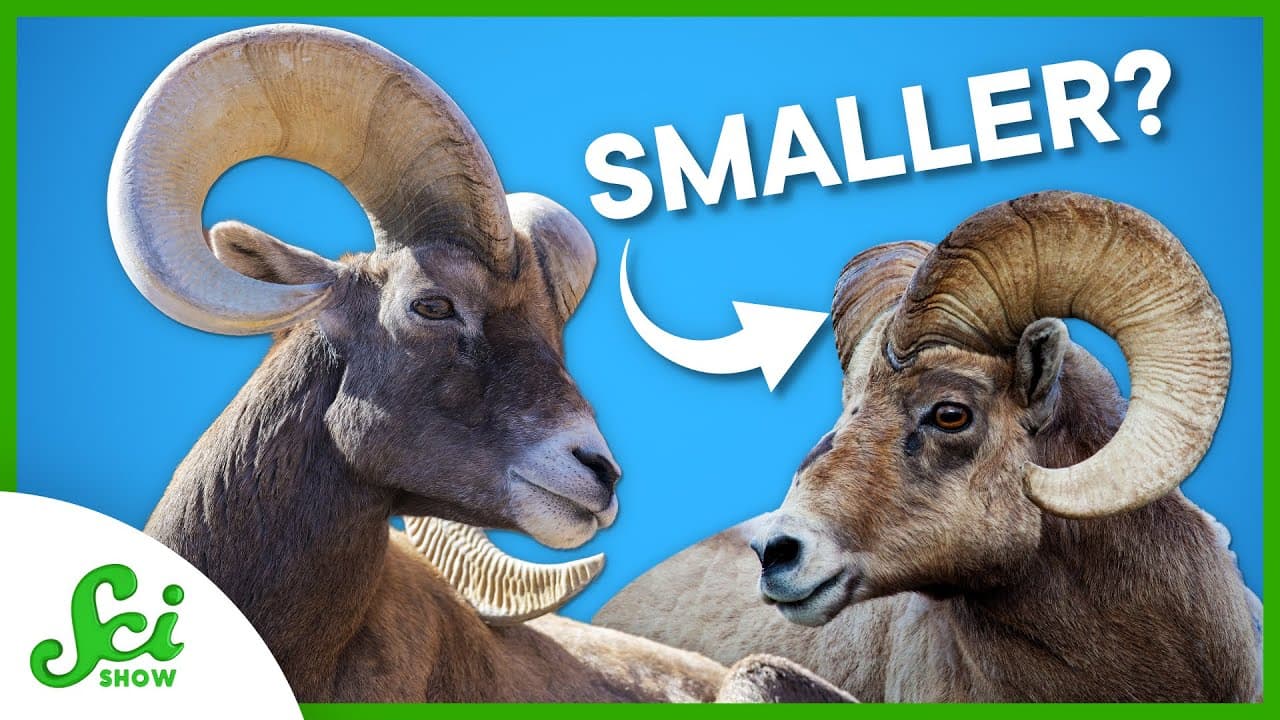
- 😈 Trophy hunting has caused a decline in the size of bighorn sheep horns and potentially permanent genetic changes in the population.
- 🪡 Human activities have unintentional evolutionary consequences, highlighting the need for conservation efforts.
- 🧑🌾 Human-induced changes in species can have far-reaching effects on ecosystems and other species.
Install to Summarize YouTube Videos and Get Transcripts
Explore YouTube Video Summarizer or Get YouTube Transcript Extractor
Questions & Answers
Q: How has urbanization influenced the evolution of coyotes?
Urbanization has led to habitat loss for coyotes, but some have adapted to city environments, becoming nocturnal, feeding on human food, and developing genetically distinct populations.
Q: What changes have white ibises undergone as they adapt to urban environments?
Urban ibises rely on garbage as a food source, which has led to changes in their gut bacteria and an association with higher levels of pathogens. However, they also have strengthened immune systems and fewer parasites compared to rural ibises.
Q: How have fishing practices influenced the evolution of fish populations?
Fishing practices have selected for smaller, shyer fish populations, as these characteristics make them less likely to be caught. This can have far-reaching consequences for the ecosystem and species that depend on these fish.
Q: What impact has trophy hunting had on bighorn sheep populations?
Trophy hunting of bighorn sheep has resulted in the selective removal of larger horned males before they can reproduce. This has led to a decline in the average size of horns and a potential permanent change in the genetic makeup of the population.
Summary & Key Takeaways
-
Urbanization causes habitat loss and results in species adapting to urban environments, such as coyotes learning to thrive in cities and feeding on human food.
-
White ibises have adapted to urban areas and rely on human handouts and garbage as a food source, leading to changes in their diets and gut bacteria.
-
Fishing practices have selected for smaller, shyer fish populations, altering the evolution of species such as the northern pike, and trophy hunting has led to a decline in the size of bighorn sheep horns.
Read in Other Languages (beta)
Share This Summary 📚
Summarize YouTube Videos and Get Video Transcripts with 1-Click
Try YouTube Summary with ChatGPT & Claude or YouTube Transcript Generator
Explore More Summaries from SciShow 📚


Summarize YouTube Videos and Get Video Transcripts with 1-Click
Try YouTube Summary with ChatGPT & Claude or YouTube Transcript Generator