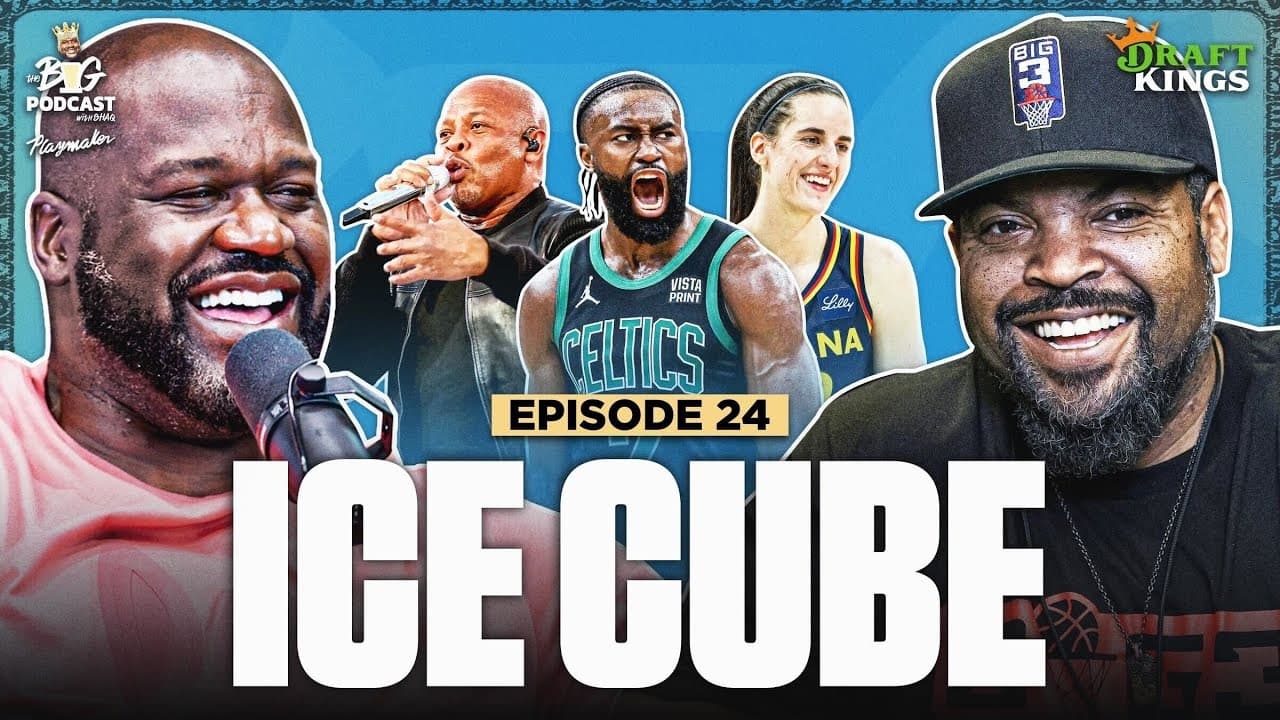
Ice Cube Cursed Out Shaq?! They Debate NBA Finals & Talk Caitlin Clark To The BIG3 | Ep 24
TL;DR
Ice Cube reflects on his career, collaborations, and the impact of the Big Three basketball league.
Transcript
so CU was executive producing one of my records he put me in the studio with Dr Dre oh my gosh I did a song called that's gangster ke heard that was like nope we're not releasing this Dre did the beat and I thought it was hard and then I played it for cube Cub's like not and it never came out look man Cube it wasn't good it wasn't good A lot of peo... Read More
Key Insights
- 💦 Ice Cube's partnership with Dr. Dre emphasized the need for artists to present their best work, avoiding themes inconsistent with their brand.
- ♻️ The Big Three league was created to provide entertainment during the NBA off-season, showcasing former players in a highly competitive environment.
- 🫡 Respecting the contributions of past artists is crucial for newer generations within the music industry.
- 🤞 Personal stories from Ice Cube offer glimpses into the symbiotic relationship between basketball and hip-hop, highlighting mutual appreciation across genres.
- 🍻 The success of athletes and their marketability is linked to their achievements on the court rather than solely their public personas.
- 💩 Lyrical rap battles are a time-honored tradition that invigorates the hip-hop landscape and engages audiences.
- 👶 Offering opportunities to emerging talents can reshape public perspectives on women in sports and attract fans to new leagues.
Install to Summarize YouTube Videos and Get Transcripts
Explore YouTube Video Summarizer or Get YouTube Transcript Extractor
Questions & Answers
Q: What was Ice Cube’s reason for not releasing the song "That's Gangster"?
Ice Cube felt that the song "That's Gangster," despite being well-produced by Dr. Dre, did not align with Shaquille O'Neal's image and brand. Cube believed it was essential for artists, especially those familiar with mainstream audiences, to stay true to their identity, which meant avoiding themes that could detract from their broader appeal.
Q: How does Ice Cube view the respect younger generations have for past artists?
Ice Cube expressed concern that younger generations often overlook the achievements of artists like himself and others from earlier eras. He underscored the significance of educating new artists about the contributions of previous musicians to ensure that their legacies are recognized and appreciated within the industry.
Q: What is the Big Three and how did it come about?
The Big Three is a professional basketball league founded by Ice Cube to fill the entertainment void during the summer when the NBA is off-season. Cube envisioned a league where former NBA players could showcase their skills while providing fans with competitive basketball, resulting in a continuous cycle of gameplay with a champion crowned every season.
Q: What new developments are happening in the Big Three league?
Ice Cube mentioned the inclusion of new players and unique features such as a game that fosters familial bonds with brothers playing on the same teams. This season, notable players like Greg Monroe and Jeff Teague join, and a concerted effort is made to create an enticing atmosphere for fans.
Q: Why does Cube believe that Jaylen Brown is marketable?
Ice Cube believes Jaylen Brown's marketability stems from his skills and success on the basketball court, particularly as he advances in his career. Accolades and potential championships will enhance Brown's visibility, proving that winning garners attention, thereby elevating his market appeal beyond traditional expectations of personality.
Q: How does Ice Cube view the beef between Kendrick Lamar and Drake?
Ice Cube approves of rap battles as they are fundamental to hip-hop culture. He believes that as long as the competition remains lyrical and does not escalate to violence, it is an exciting element of the music scene that energizes artists and fans alike.
Q: What lessons about business does Ice Cube credit to his career success?
Ice Cube attributes his business acumen to mentorships and learning experiences, especially during early collaborations with figures like Dr. Dre. His philosophy emphasizes the importance of quality and reliability, ensuring that any artistic offering aligns with one's reputation before sharing it with the public.
Q: What was the reaction to Ice Cube’s offer to Caitlyn Clark?
Ice Cube articulated that the offer to Caitlyn Clark was genuine and aimed not only at drawing attention to the Big Three but also at encouraging her participation in a league that could elevate women’s sports. He viewed this as a significant step toward breaking barriers and enhancing the visibility of women's athletic accomplishments.
Summary & Key Takeaways
-
Ice Cube shares insights about his music career, including his experience working with Dr. Dre and why certain songs, like "That's Gangster," were not released.
-
The conversation highlights the importance of respecting the past in both music and basketball, emphasizing the need to educate younger generations about their predecessors.
-
Ice Cube discusses the Big Three league, its growth since inception, and the significance of introducing new talents like Caitlyn Clark to elevate women's basketball.
Read in Other Languages (beta)
Share This Summary 📚
Summarize YouTube Videos and Get Video Transcripts with 1-Click
Try YouTube Summary with ChatGPT & Claude or YouTube Transcript Generator
Explore More Summaries from The Big Podcast Full Episodes 📚
Summarize YouTube Videos and Get Video Transcripts with 1-Click
Try YouTube Summary with ChatGPT & Claude or YouTube Transcript Generator