Exoplanets 101 | National Geographic
TL;DR
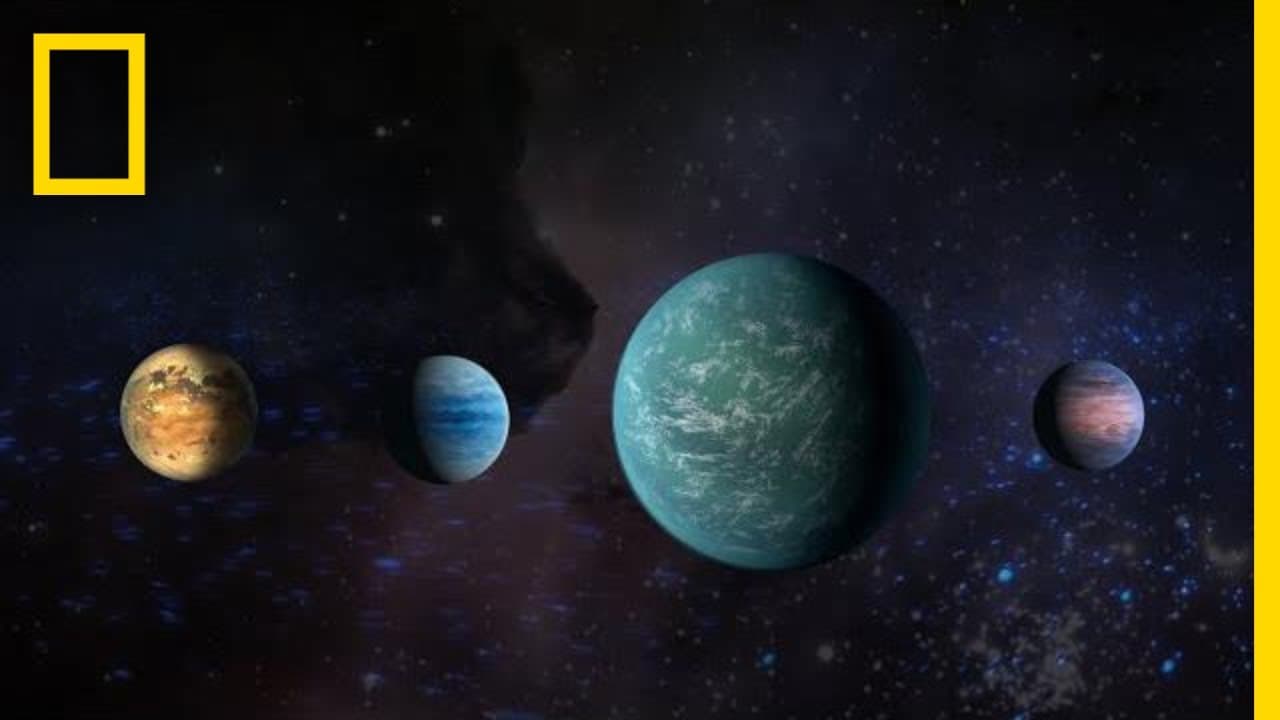
Exoplanets are diverse worlds that exist outside of our solar system, and scientists have confirmed the existence of thousands of them.
Transcript
(dramatic music) - [Narrator] They are nestled in the final frontier, countless worlds, scattered throughout countless galaxies, challenged the notion that we are alone in the universe. Exoplanets are worlds that exist outside of our solar system. Also known as Extrasolar planets, these bodies often orbit their own stars, with some being a part of ... Read More
Key Insights
- 🫢 Exoplanets are diverse in terms of their composition and structures, with different categories like gas giants, Super Earths, and Earth analogs.
- 🧑🔬 Scientists have developed various methods to detect exoplanets, and the transit method is the most common.
- 👨🔬 The search for exoplanets is driven by the desire to create a catalog of known worlds and explore the possibility of life beyond Earth.
- 🤩 Astrobiologists study exoplanets to determine their potential for supporting life based on factors like size, composition, and distance from their star.
Install to Summarize YouTube Videos and Get Transcripts
Explore YouTube Video Summarizer or Get YouTube Transcript Extractor
Questions & Answers
Q: How are exoplanets different from the planets in our solar system?
Exoplanets are similar to planets in our solar system in terms of composition and structure, but they exist outside of our solar system, orbiting stars other than the Sun.
Q: How do scientists detect exoplanets?
Scientists use different methods like radio velocity, direct imaging, astrometry, gravitational microlensing, and transit to detect exoplanets. Each method relies on observing certain effects caused by the presence of exoplanets.
Q: What are Earth analogs?
Earth analogs are exoplanets that are similar to Earth in terms of size, composition, and distance from their star. These planets are of particular interest to astrobiologists in the search for extraterrestrial life.
Q: How many exoplanets have been confirmed so far?
About 4,000 exoplanets have been confirmed by multiple discovery methods, and there are approximately 3,000 more awaiting verification. The actual number of exoplanets in our Milky Way galaxy could be as high as one trillion.
Summary & Key Takeaways
-
Exoplanets are worlds that orbit stars outside of our solar system and are made of the same elements as our planets.
-
They can be classified into different categories like giant or Neptune-like planets, gas giants called Hot Jupiters, Super Earths, and Earth analogs.
-
Scientists have developed various methods to detect exoplanets, including radio velocity, direct imaging, astrometry, gravitational microlensing, and transit.
Read in Other Languages (beta)
Share This Summary 📚
Summarize YouTube Videos and Get Video Transcripts with 1-Click
Try YouTube Summary with ChatGPT & Claude or YouTube Transcript Generator
Explore More Summaries from National Geographic 📚




Summarize YouTube Videos and Get Video Transcripts with 1-Click
Try YouTube Summary with ChatGPT & Claude or YouTube Transcript Generator