Army Ants, Orchids and Dancing Frogs | National Geographic
TL;DR
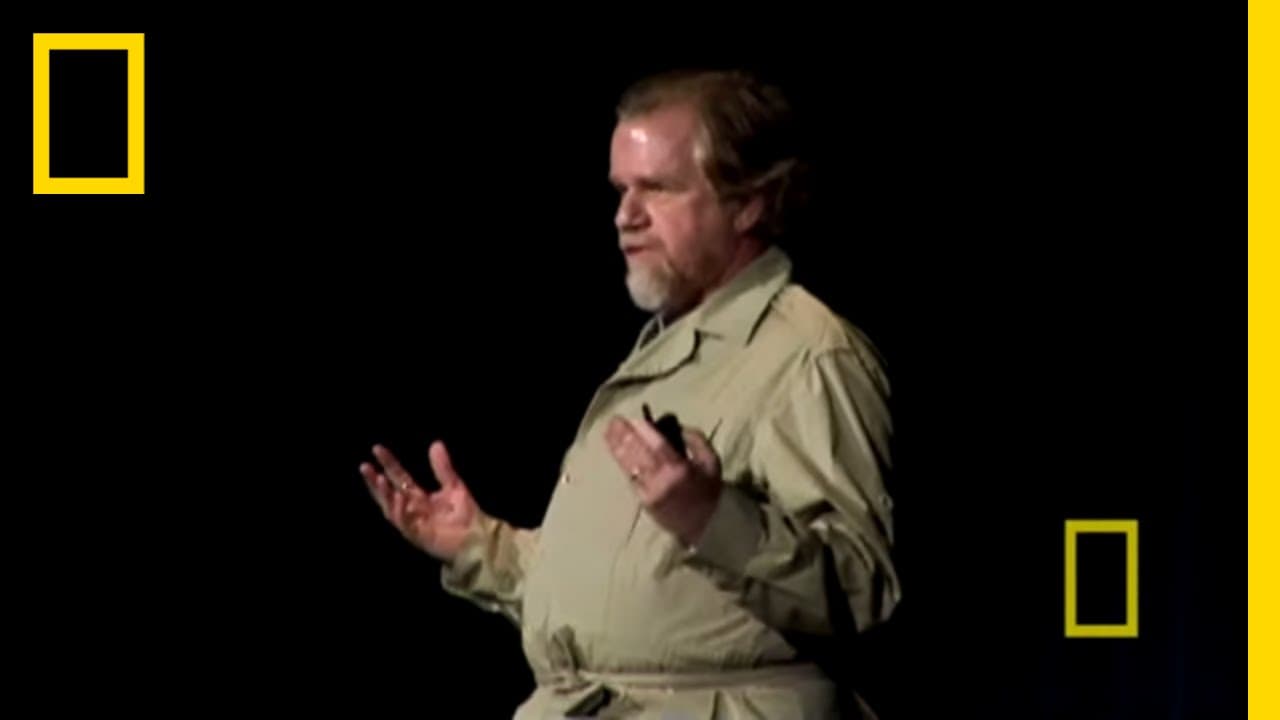
A photographer and scientist shares his passion for nature and the hidden stories it holds, from spiders' love struggles to the diversity of frogs in Brazil.
Transcript
eill the Weaver ant they predatory here they've caught a large white bug they're going to carry it up to the nest and tear it to Pieces inside I love stories and the stories from n from nature that I like are the stories people haven't seen before and particularly the ones people aren't expecting and I love to get people excited about things they d... Read More
Key Insights
- 😮 Nature is full of hidden stories that can captivate and surprise us.
- 🔬 Different species have unique adaptations and behaviors to cope with challenges and ensure their survival.
- 🧡 Exploring various ecosystems can reveal a diverse range of creatures and their fascinating stories.
- 🛀 Risk-taking is often necessary to study and document the natural world, but the rewards are worth it.
Install to Summarize YouTube Videos and Get Transcripts
Explore YouTube Video Summarizer or Get YouTube Transcript Extractor
Questions & Answers
Q: What is the significance of the acorn weevil's lifecycle?
The acorn weevil plays an important role in dispersing acorns and helps ensure the survival of oak trees. By burrowing into acorns and laying eggs, the weevils inadvertently spread the acorns to new locations.
Q: What is unique about the behavior of the American burying beetle?
The American burying beetle forms monogamous pairs and buries dead rats to use as a food source for its offspring. This behavior is rare among animals and showcases the beetle's specialized adaptation.
Q: How do frogs in Puerto Rico adapt to predators like tarantulas?
The frogs climb trees at sunset to avoid tarantulas, known predators, and return to the ground at sunrise when the tarantulas are less active. This behavior allows them to thrive in their environment while avoiding predation.
Q: How do jumping spiders mimic debris to avoid detection?
Some jumping spiders have evolved to resemble bits of debris or moving leaves in order to camouflage themselves from predators. This allows them to approach other spiders or prey without raising suspicion.
Summary & Key Takeaways
-
The speaker, a photographer and scientist, discusses his love for nature and the stories it holds.
-
He explores various ecosystems and encounters unique creatures like the acorn weevil and the American burying beetle.
-
He also shares stories about frogs, tarantulas, and other fascinating creatures found in rainforests and deserts.
Read in Other Languages (beta)
Share This Summary 📚
Summarize YouTube Videos and Get Video Transcripts with 1-Click
Try YouTube Summary with ChatGPT & Claude or YouTube Transcript Generator
Explore More Summaries from National Geographic 📚





Summarize YouTube Videos and Get Video Transcripts with 1-Click
Try YouTube Summary with ChatGPT & Claude or YouTube Transcript Generator