Sewing Machine Techniques : Basics of Using a Sewing Machine
TL;DR
Learn the fundamentals of using a sewing machine, including threading, bobbin winding, and adjusting tension.
Transcript
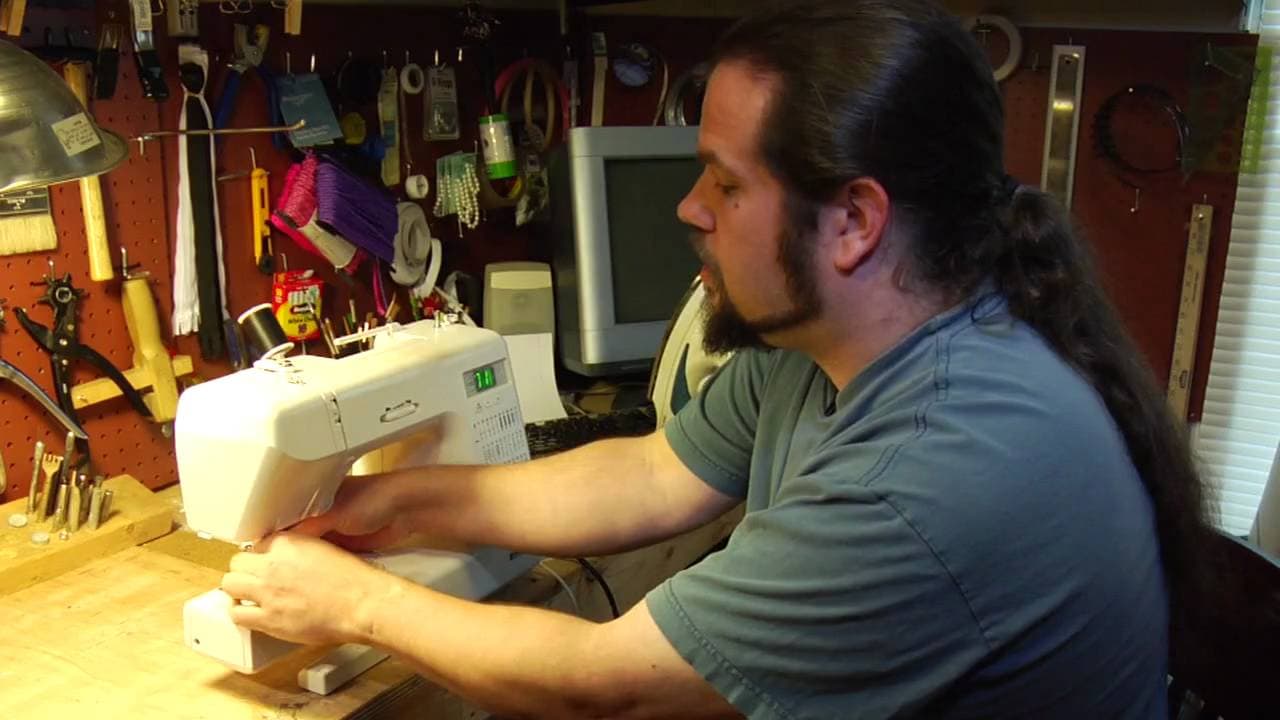
hi my name is Sam Lewis from madeby sam.com and I'm here to talk about the basics of using a sewing machine the beauty of sewing machines is they haven't changed significantly in the last 150 years so any sewing machine you work find should work like any other sewing machine basically you have two spools of thread one's on a spool you get another o... Read More
Key Insights
- 😄 Sewing machines have maintained their basic functionality for 150 years, ensuring ease of use for beginners and experienced sewers alike.
- 🧵 Threading a sewing machine involves winding the bobbin and running the top thread through various guides and tensioning mechanisms.
- 🧵 Experimenting with thread tension is necessary to determine the optimal setting for different fabric types and desired outcomes.
- 🖐️ Adjustments like stitch length and width play a crucial role in achieving specific sewing effects.
Install to Summarize YouTube Videos and Get Transcripts
Explore YouTube Video Summarizer or Get YouTube Transcript Extractor
Questions & Answers
Q: How do you wind the bobbin on a sewing machine?
To wind the bobbin, follow the instructions specific to your sewing machine model. Generally, you'll drop the bobbin in the designated area, lock it in, and wind the thread around it.
Q: What is the purpose of the tensioning on a sewing machine?
The tensioning mechanism ensures that the top and bobbin threads are balanced. It prevents loose stitches or fabric puckering. Each machine has a different way to adjust tension, so consult your manual for specific instructions.
Q: How do you thread the needle on a sewing machine?
Most sewing machines have a guide or automatic needle threading feature. Cut a clean edge of thread, thread it through the guide, and pass it through the needle. Pull the thread under the pressure foot to complete the process.
Q: What are the key adjustments to make on a sewing machine?
The most important adjustment is thread tension, which varies depending on fabric type. High tension works for thick fabrics, while low tension is suitable for delicate materials. Stitch length and width also need consideration, as they determine the fabric's movement and stitch appearance.
Summary & Key Takeaways
-
Sewing machines have remained relatively unchanged for 150 years, allowing for easy use across different models.
-
Threading involves winding the bobbin, running the top thread through tensioning, and guiding it through the needle.
-
Adjusting thread tension and stitch length/width are crucial for different fabric types and desired outcomes.
Read in Other Languages (beta)
Share This Summary 📚
Summarize YouTube Videos and Get Video Transcripts with 1-Click
Try YouTube Summary with ChatGPT & Claude or YouTube Transcript Generator
Explore More Summaries from ehow 📚
Summarize YouTube Videos and Get Video Transcripts with 1-Click
Try YouTube Summary with ChatGPT & Claude or YouTube Transcript Generator