Optimal Sleep Temperature | Andrew Huberman and Lex Fridman
TL;DR
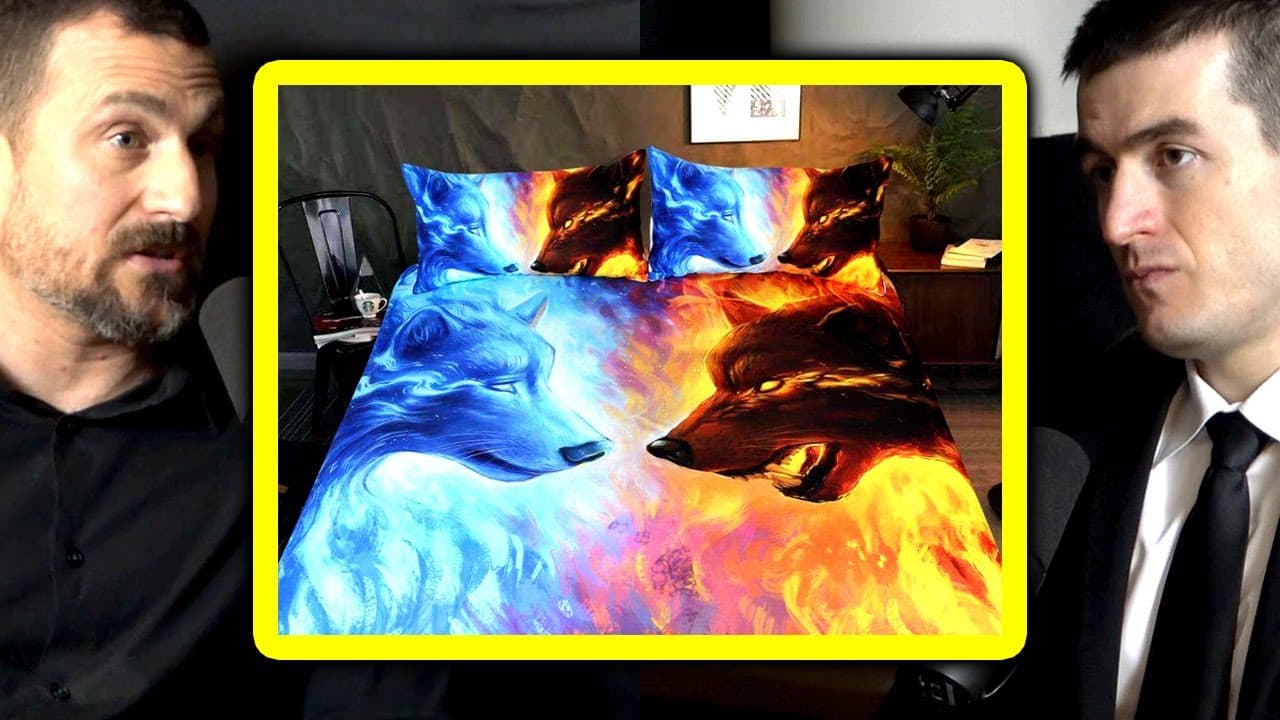
The optimal temperature for sleep is slightly cooler than normal body temperature, and it is important to maintain this temperature for deep and restful sleep.
Transcript
is there uh an optimal temperature for sleep that i i should mention i think your latest episode uh you uh and people should go check out helixsleep.com huberman to support andrew uh thanks for the plug i mean that's the amazing thing about the stuff they're creating oh and yes you have a new podcast that's amazing and this past month he did a whol... Read More
Key Insights
- 😪 Controlling sleep temperature can significantly impact the quality of sleep.
- 🙂 The optimal sleep temperature is slightly cooler than normal body temperature.
- 😪 Temperature oscillation, such as a colder room with warm blankets, can promote deep and restful sleep.
- 🙂 Bright light exposure before or after the temperature minimum can shift the circadian clock, affecting sleep patterns.
- 🥋 Basal temperature varies among individuals, and the belief in a uniform 98.6 degrees Fahrenheit is a myth.
- 😪 The coldest period of the 24-hour circadian cycle is the sleepiest phase.
- ⏰ Bright light exposure in the morning delays the circadian clock, while exposure in the evening advances it.
Install to Summarize YouTube Videos and Get Transcripts
Explore YouTube Video Summarizer or Get YouTube Transcript Extractor
Questions & Answers
Q: What is the optimal temperature for sleep?
The optimal temperature for sleep is slightly cooler than normal body temperature, typically around 2 to 3 degrees lower.
Q: Why is cooling the body important for deep sleep?
Cooling the body helps the brain and nervous system enter the deepest sleep phase, promoting more restful and rejuvenating sleep.
Q: Can individual variations in basal temperature affect sleep quality?
Yes, everyone has slightly different basal temperatures, and the belief that everyone should be at 98.6 degrees Fahrenheit is a myth. Athletes and younger, healthier individuals may have different temperature ranges.
Q: How does bright light exposure affect sleep patterns?
Bright light exposure before the temperature minimum delays the circadian clock, causing a desire to go to sleep later and wake up later. Bright light exposure after the temperature minimum advances the clock, leading to an earlier sleep/wake cycle.
Summary & Key Takeaways
-
Controlling the temperature during sleep can have a significant impact on the quality of sleep and circadian rhythm.
-
Cooling the body by a few degrees is ideal for falling asleep and maintaining deep sleep.
-
Some individuals prefer a colder room with warm blankets, as this temperature oscillation aligns with the sleepiest phase of the circadian cycle.
-
Bright light exposure before or after the temperature minimum can either delay or advance the circadian clock, impacting sleep/wake patterns.
Read in Other Languages (beta)
Share This Summary 📚
Summarize YouTube Videos and Get Video Transcripts with 1-Click
Try YouTube Summary with ChatGPT & Claude or YouTube Transcript Generator
Explore More Summaries from Lex Clips 📚



Summarize YouTube Videos and Get Video Transcripts with 1-Click
Try YouTube Summary with ChatGPT & Claude or YouTube Transcript Generator