Inside the Gas Planet | National Geographic
TL;DR
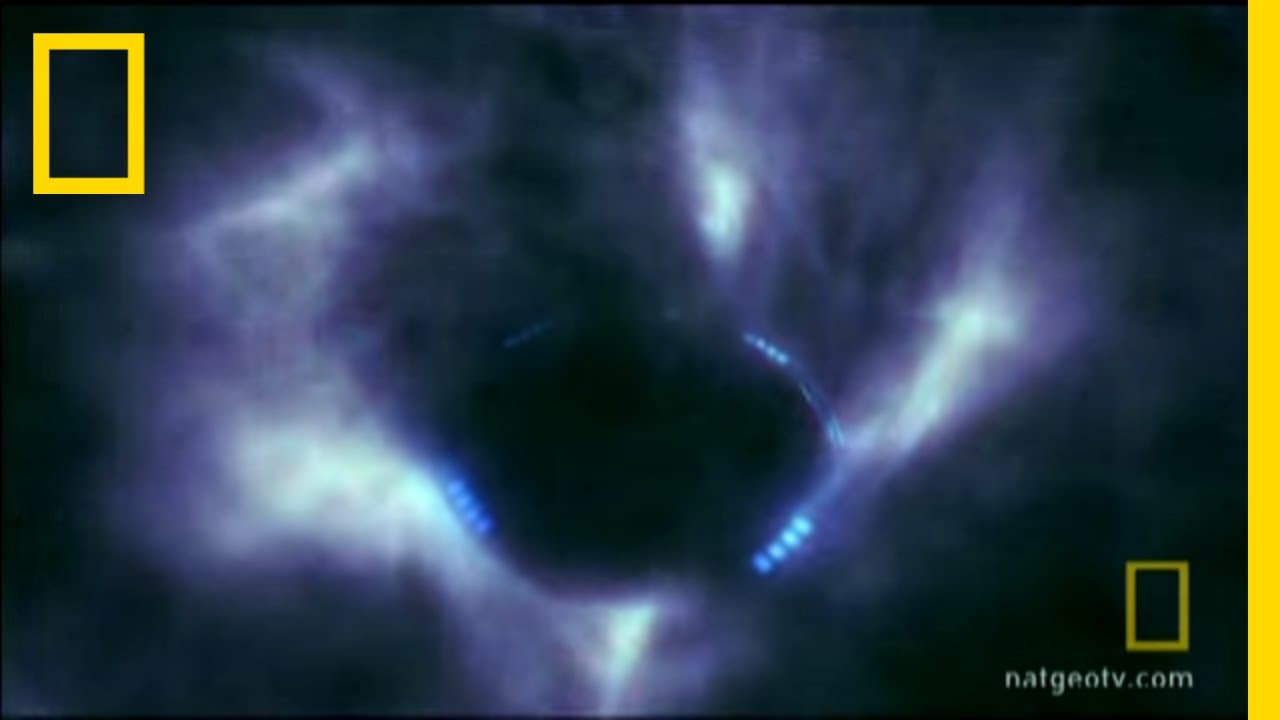
A probe descending into Uranus reveals a tumultuous world of methane crystals, extreme temperatures, and an enigmatic magnetic field.
Transcript
from orbit uranus gives little away but plunge below its placid looking clouds and you encounter a world that's anything but so let's imagine i was riding an atmospheric probe that's being sent down into the planet uranus open your spacecraft window here and you'll quickly feel where the ice giants get their name in the upper atmosphere frozen crys... Read More
Key Insights
- ⛈️ Uranus's upper atmosphere is characterized by frozen methane crystals and towering anvil clouds, along with lightning and thunder.
- 🥵 The deeper regions of Uranus's atmosphere experience increasing heat, pressure, and density.
- 💯 Uranus's magnetic field is formed in its dynamo core, but the reason behind its location rather than the core remains a mystery.
- 💯 The existence and nature of a core in Uranus are uncertain.
- 🤖 The extreme conditions in Uranus make it impossible for life or robots to survive.
Install to Summarize YouTube Videos and Get Transcripts
Explore YouTube Video Summarizer or Get YouTube Transcript Extractor
Questions & Answers
Q: What is the composition of Uranus's upper atmosphere?
Uranus's upper atmosphere consists of frozen methane crystals mixed with hydrogen and helium. It also contains towering anvil clouds, accompanied by lightning and thunder.
Q: How does the atmosphere change as the probe descends into Uranus?
The atmosphere becomes thicker and hotter with increasing depth. The temperatures rise to thousands of degrees, and the pressure and density of the gas increase continuously.
Q: What generates Uranus's magnetic field, and why is it formed where it is?
Uranus's lopsided magnetic field is generated by parcels of conductive fluid moving about in its dynamo core. The reason behind its formation in this specific location, rather than the core, remains unknown.
Q: Can life or robots survive in Uranus's extreme conditions?
No, the extreme temperatures of over 4,200 degrees Fahrenheit and the immense pressure in Uranus's depths make it impossible for life or robots to survive. Any probe sent into the atmosphere would eventually evaporate and become part of the studied atmosphere.
Summary & Key Takeaways
-
Uranus's upper atmosphere is composed of frozen methane crystals and towering anvil clouds, with lightning and thunder accompanying them.
-
As the probe descends deeper into Uranus, the atmosphere becomes thicker, hotter, and transitions into a continuous increase in pressure and density.
-
At a certain depth, Uranus's lopsided magnetic field begins to form, generated by parcels of conductive fluid moving about. The existence and nature of its core remain uncertain.
Read in Other Languages (beta)
Share This Summary 📚
Summarize YouTube Videos and Get Video Transcripts with 1-Click
Try YouTube Summary with ChatGPT & Claude or YouTube Transcript Generator
Explore More Summaries from National Geographic 📚




Summarize YouTube Videos and Get Video Transcripts with 1-Click
Try YouTube Summary with ChatGPT & Claude or YouTube Transcript Generator