TikTok Sleuth Slammed with Lawsuit from Idaho Professor Over Student Murders Conspiracy
TL;DR
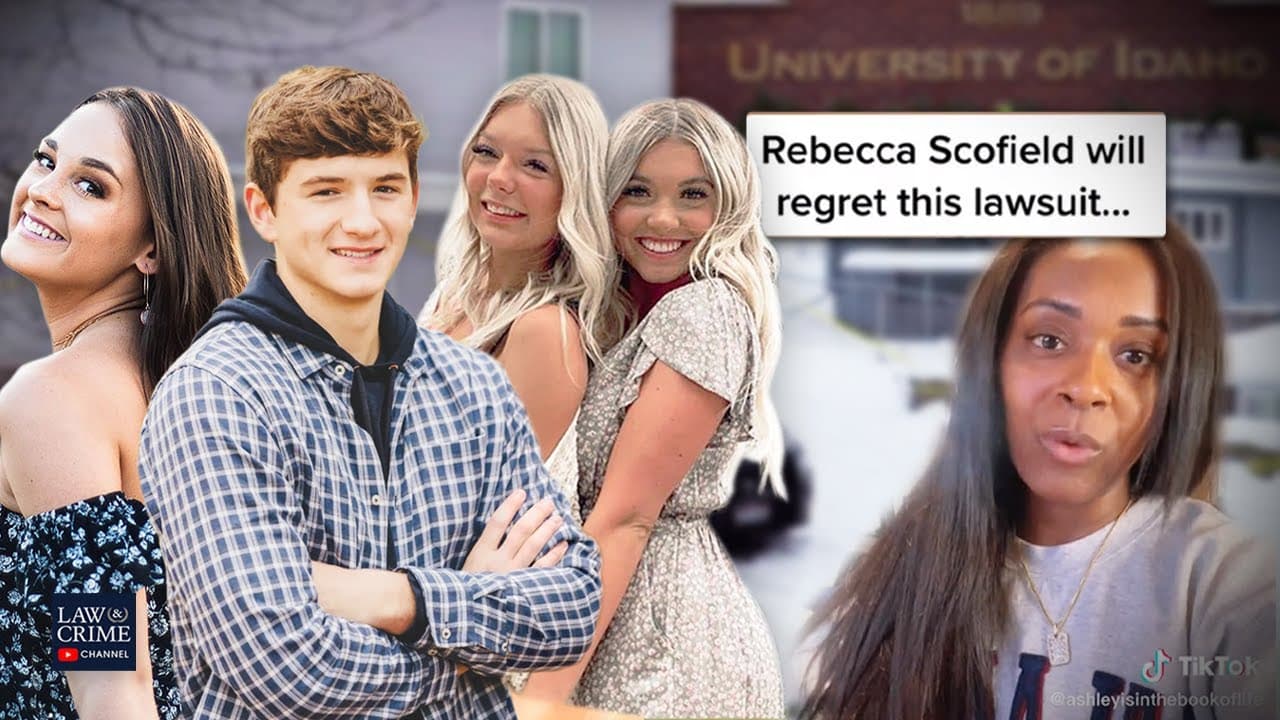
Tick-Tock user sued for defamation after accusing a University of Idaho history professor of murder; the professor has a strong case.
Transcript
that's after she backstabs the killer she's not gonna live up to her promises for him a tick talker and self-proclaimed internet sleuth sued for defamation after she repeatedly claims a University of Idaho history Professor is responsible for the murders of four students so how strong is this professor's case I'm Anjanette Levy and welcome to law a... Read More
Key Insights
- 🥺 Social media platforms like Tick-Tock have introduced new dangers, leading to potential defamation and reputational harm for individuals.
- 😣 Accusing someone of serious crimes publicly without evidence can have severe legal consequences.
- 👍 Private individuals, like Professor Schofield, have protections against defamation and do not need to prove actual malice.
- 🧑 The anonymity and wide reach of social media can amplify false accusations and cause significant damage to a person's reputation.
- 😀 Seeking legal counsel is crucial when facing potential defamation claims, and ignoring cease and desist letters can worsen the legal situation.
- 👤 Social media users should be aware of the implications and potential liabilities of their posts, just as they would be with any public statements.
- 🖐️ Mental health issues may play a role in the behavior of individuals who consistently make false accusations on social media.
Install to Summarize YouTube Videos and Get Transcripts
Explore YouTube Video Summarizer or Get YouTube Transcript Extractor
Questions & Answers
Q: What are the potential legal consequences of making false accusations on social media?
Making false accusations on social media, especially ones involving crimes, can lead to defamation lawsuits and significant reputational harm. The accused can seek damages for defamation if they can prove that the statements are false, defamatory, caused harm to their reputation, and the speaker was negligent in expressing them.
Q: Does the accused Tick-Tock user have any legal defenses?
While the accused Tick-Tock user may claim that she is expressing her opinions or that the statements are true, if there is no evidence supporting these claims, she could still be held liable for defamation.
Q: Could the accused Tick-Tock user face criminal charges for harassment?
Harassment charges may be difficult to pursue in this case unless there is a specific applicable law. Free speech protections play a significant role, making it more likely for the plaintiff to seek damages through a defamation lawsuit.
Q: What are the potential consequences of not complying with cease and desist letters?
Non-compliance with cease and desist letters can put the accused in a weaker legal position. It shows disregard for legal consequences and could result in stronger legal action being taken against them.
Summary & Key Takeaways
-
Professor Rebecca Schofield of the University of Idaho is suing Ashley Gillard for defamation after Gillard posted multiple Tick-Tock videos accusing Schofield of being involved in the murder of four students.
-
Schofield denies any connection to the students and claims to have never met them.
-
Schofield's lawyer sent two cease and desist letters to Gillard, but she continued posting videos about Schofield and the murders.
Read in Other Languages (beta)
Share This Summary 📚
Summarize YouTube Videos and Get Video Transcripts with 1-Click
Try YouTube Summary with ChatGPT & Claude or YouTube Transcript Generator
Explore More Summaries from Law&Crime Sidebar Podcast 📚



Summarize YouTube Videos and Get Video Transcripts with 1-Click
Try YouTube Summary with ChatGPT & Claude or YouTube Transcript Generator