Henry Segura Penalty Phase - Jury Instructions
TL;DR
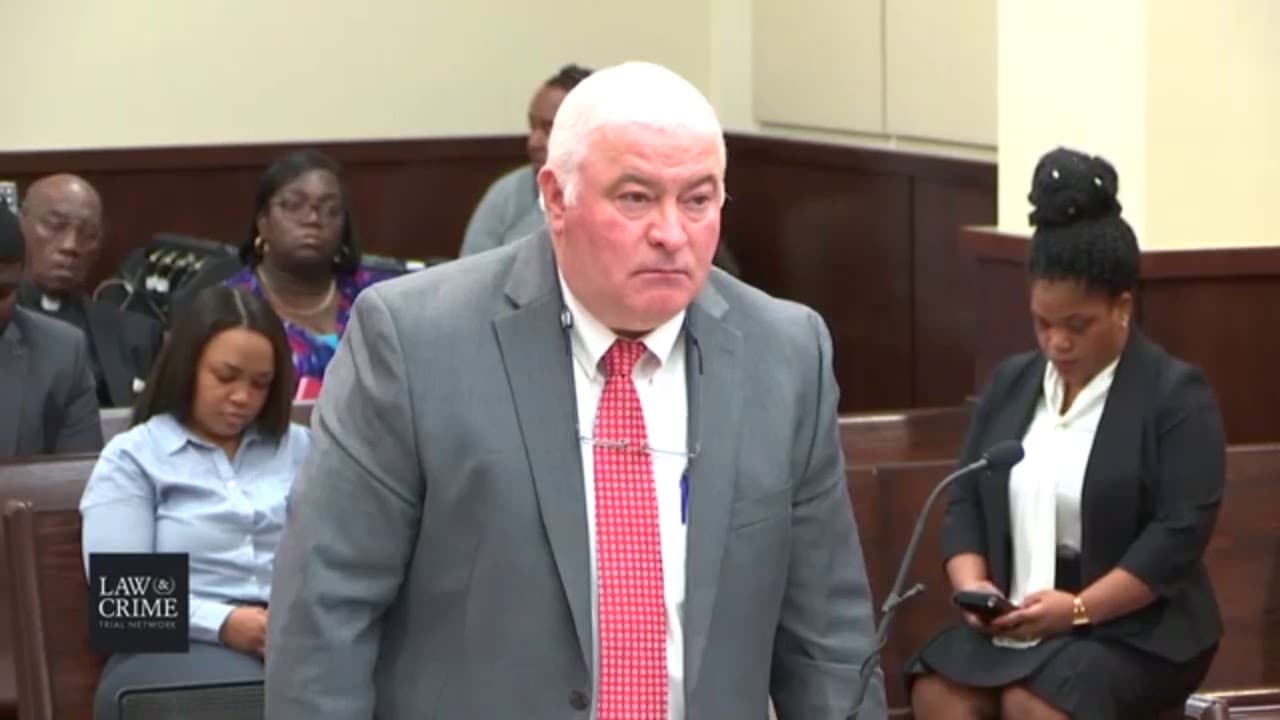
The defendant waives his right to present evidence or arguments in a death penalty trial, raising concerns about the fairness of the trial.
Transcript
Your Honor after further discussion mr. Suder has indicated he does not wish for us to put on any witnesses or argument he's also instructed us that he doesn't want to do a Spencer here and request the Spencer hearing also I think we need to proceed with the colloquy if that's his decision okay mr. Prince indicated a sec correct yes all right the s... Read More
Key Insights
- 🤨 The defendant's waiver of mitigation raises concerns about the fairness of the trial.
- ❓ The court must independently decide on the appropriateness of the death penalty, even if recommended by the jury.
- 🥶 The defendant's decision to waive mitigation is a personal choice, free from influence or pressure.
- ❓ The penalty phase of the trial will proceed without evidence or arguments from the defense.
- 🧑🏭 The jury must consider both aggravating factors and mitigating circumstances when deciding on sentencing.
- 🛟 Mitigating circumstances can include aspects of the defendant's character, background, or life that may indicate the death penalty is not appropriate.
- 👍 Mitigating circumstances do not need to be proven beyond a reasonable doubt, but by the greater weight of the evidence.
Install to Summarize YouTube Videos and Get Transcripts
Explore YouTube Video Summarizer or Get YouTube Transcript Extractor
Questions & Answers
Q: Why did the defendant waive his right to present evidence or arguments?
The defendant made a personal decision to not present any evidence or arguments against the death penalty.
Q: Is the defendant being influenced or threatened?
The defendant confirms that nobody pressured or threatened him into making this decision.
Q: What will be the procedure for the penalty phase of the trial?
The defense will not present an opening statement, any evidence, or a closing argument. The jury will receive instructions on how to proceed.
Q: How will the jury decide on sentencing?
The jury must determine if the aggravating factors for the death penalty have been proven beyond a reasonable doubt, as well as consider any mitigating circumstances.
Summary & Key Takeaways
-
The defendant instructs his attorneys not to present any evidence or make arguments against the death penalty.
-
The court explains to the defendant that they must independently determine the appropriateness of the death penalty, even if the jury recommends it.
-
The defendant confirms his decision and states that it is his own personal choice.
Read in Other Languages (beta)
Share This Summary 📚
Summarize YouTube Videos and Get Video Transcripts with 1-Click
Try YouTube Summary with ChatGPT & Claude or YouTube Transcript Generator
Explore More Summaries from Law&Crime Network 📚


Summarize YouTube Videos and Get Video Transcripts with 1-Click
Try YouTube Summary with ChatGPT & Claude or YouTube Transcript Generator