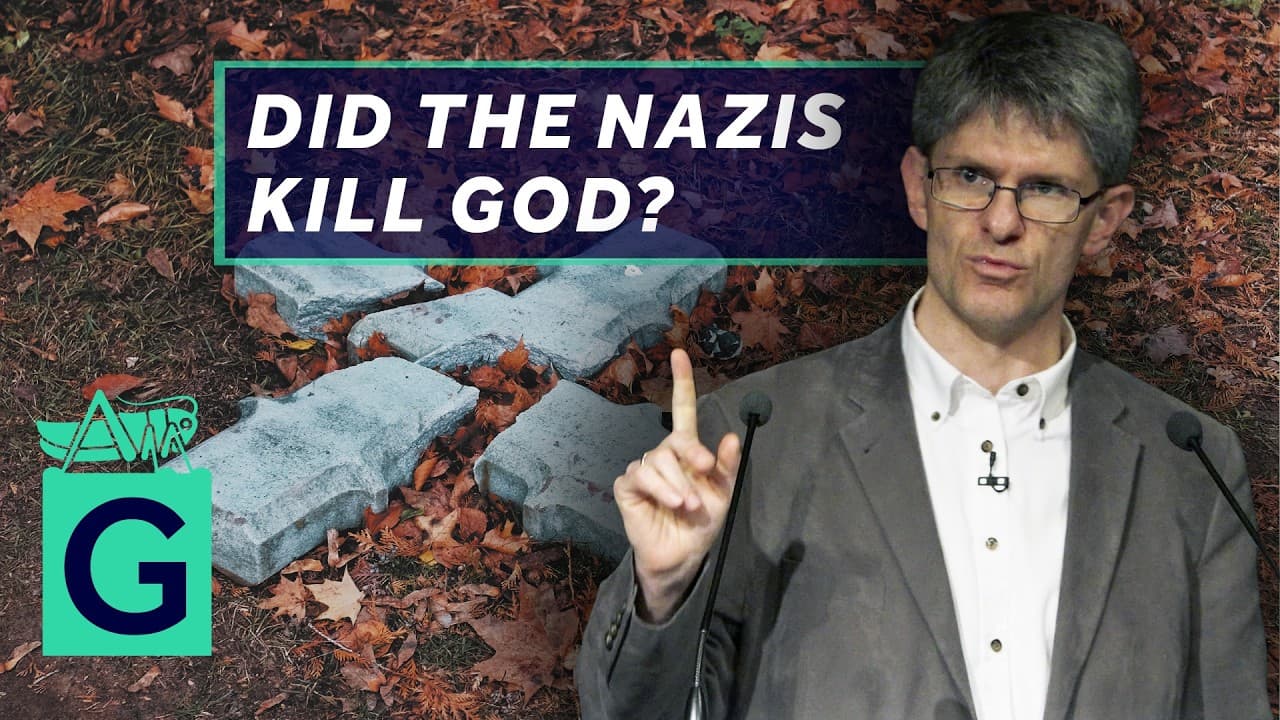
Jesus, Hitler and The Abolition of God
TL;DR
The emotional history of unbelief, rooted in the forces of anger and anxiety, has shaped the rise of atheism and the impact of humanism on Western culture, leading to a reevaluation of moral frameworks and the role of religion.
Transcript
for the first five lectures of this series I've been tracking what would normally be seen as the prehistory of unbelief of doubt during the time before it came out into the open and dressed itself up in intellectual clothes and I've been doing that because I think that the emotional history of unbelief the reasons that people want to doubt or can't... Read More
Key Insights
- 😮 The emotional history of unbelief, rooted in anger and anxiety, has shaped the rise of atheism and the impact of humanism on Western culture.
- ❓ Unbelievers have used moral critique, satire, and mockery to challenge religious institutions and authority figures.
- 🥹 Jesus Christ continues to hold moral authority in Western culture, even as traditional Christian belief declines.
- 🤕 The Second World War and the Nazi genocide served as the defining moral event of the modern age, redefining our notions of good and evil.
- 😈 Nazism has become the touchstone for defining absolute evil in Western culture, overshadowing traditional Christian morality.
- 🫱 Humanism, characterized by an ethical framework focused on equality and autonomy, has emerged as a shared moral code in post-war Western society.
Install to Summarize YouTube Videos and Get Transcripts
Explore YouTube Video Summarizer or Get YouTube Transcript Extractor
Questions & Answers
Q: What is the significance of tracing the emotional history of unbelief in understanding doubt and skepticism?
By understanding the emotional reasons behind doubt, we gain insight into why people question or reject religious beliefs. This emotional history sheds light on the motivations and complexities underlying unbelief, going beyond intellectual or philosophical considerations.
Q: How did the Protestant Reformation contribute to the rise of doubt and skepticism?
The Reformation fostered a culture of skepticism and self-reflectiveness, making it difficult for believers to maintain a settled faith. The intense emphasis on private judgment and skepticism as a tool of reform opened the door for religious anxieties and doubts to emerge.
Q: Why has moral critique and satire been a recurring theme in unbelief?
Satire and mockery of religion have been effective tools for exposing the flaws of religious institutions and authority figures. By making religion look ridiculous, critics can avoid the difficult task of disproving its existence or providing an alternative explanation. Satire also allows for plausible deniability, with critics claiming they were only joking.
Q: How has the moral authority of Jesus Christ been approached by unbelievers?
Unbelievers have varied in their views of Jesus Christ. Some skeptics, like Voltaire and Thomas Paine, praised Jesus as embodying true natural religion and moral values, while critiquing organized Christianity. Others, like Ivan Karamazov in Dostoyevsky's "The Brothers Karamazov," rejected the concept of God but grappled with the ethical implications of Jesus' teachings. Jesus continues to hold moral authority in Western culture, even as belief in traditional Christianity declines.
Summary & Key Takeaways
-
The emotional history of unbelief traces back to the prehistory of doubt and disbelief, focusing on the emotional reasons behind skepticism rather than the intellectual history.
-
Two streams of doubt emerged: anger, fueled by defiance towards religious authority, and anxiety, arising from fears and uncertainties about faith. These streams eventually merged into a flow of ethically driven doubts that reshaped Christianity.
-
Mockery and satire of religion have long been tools of unbelief, with an emphasis on exposing the flaws of religious institutions rather than directly disproving the existence of God. Critics often turned to moral arguments against religion to challenge its authority.
Read in Other Languages (beta)
Share This Summary 📚
Summarize YouTube Videos and Get Video Transcripts with 1-Click
Try YouTube Summary with ChatGPT & Claude or YouTube Transcript Generator
Explore More Summaries from Gresham College 📚


Summarize YouTube Videos and Get Video Transcripts with 1-Click
Try YouTube Summary with ChatGPT & Claude or YouTube Transcript Generator