How to Assess and Treat Knee Meniscus Injuries
TL;DR
Meniscus injuries can be complex, with symptoms not always aligning with diagnostic tests. Accurate assessment requires a combination of subjective history and objective tests like the Thessaly's test, although these tests may not always be reliable. Understanding the patient's history and symptoms is crucial, and sometimes an MRI is necessary for confirmation.
Transcript
um madness so i was just called me and he goes uh he goes i'm really sorry um i'm gonna be a little bit late i've just i've just bumped into kenny dark leash so uh and as a liverpool fan uh you're uh yeah yeah that's no problem so uh yeah um hopefully we might have a picture of al and kenny douglas by... Read More
Key Insights
- Meniscus injuries can occur without obvious symptoms, and subjective history is crucial for accurate diagnosis.
- Objective tests for meniscus injuries, like Thessaly's test, often lack accuracy and may require MRI confirmation.
- The KOOS document is a valuable tool for assessing the impact of knee problems on daily life.
- Communication with surgeons about the type of meniscal injury and procedure is vital for effective treatment planning.
- Different types of meniscus injuries require tailored rehabilitation approaches based on surgical recommendations.
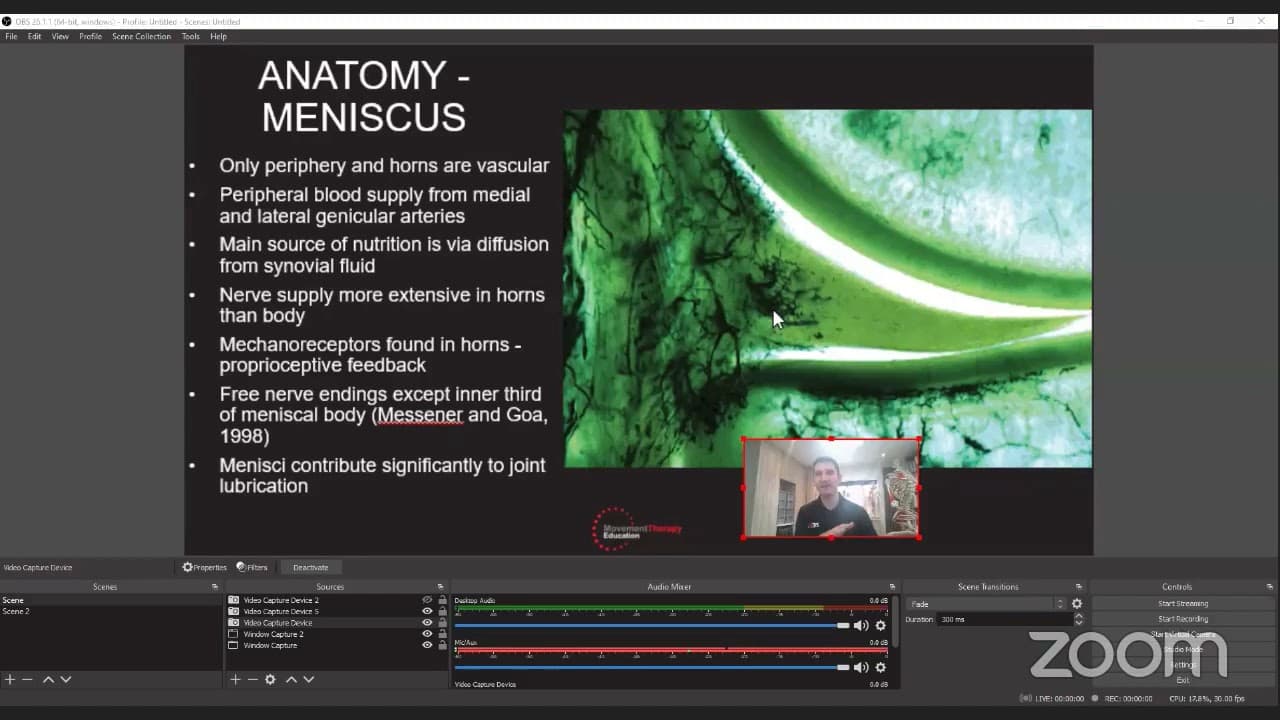
- Understanding the anatomy and function of the meniscus is essential for effective injury assessment and treatment.
- Knee joint capsule can swell due to injury, leading to visible signs like a Baker's cyst or fluid in the suprapatellar pouch.
- Manual therapy can be used as a symptom modifier to assess changes in pain and movement, indicating potential treatment paths.
Install to Summarize YouTube Videos and Get Transcripts
Explore YouTube Video Summarizer or Get YouTube Transcript Extractor
Questions & Answers
Q: How can meniscus injuries be accurately diagnosed?
Meniscus injuries are diagnosed through a combination of subjective history, objective tests like Thessaly's test, and sometimes an MRI. Subjective history helps understand the impact on daily life, while objective tests and imaging confirm the diagnosis. However, these tests may not always be accurate, requiring a comprehensive evaluation.
Q: What role does the KOOS document play in knee injury assessment?
The KOOS (Knee Injury and Osteoarthritis Outcome Score) document is a tool used to assess how a knee problem affects a patient's quality of life. It provides a detailed questionnaire that helps track changes over time, allowing for a comparison of scores to evaluate progress or deterioration in knee function.
Q: Why is communication with surgeons important in meniscus injury treatment?
Communication with surgeons is crucial to understand the specific type of meniscal injury and the procedure performed. Surgeons provide insights into post-surgical care, recommended activities, and rehabilitation protocols, ensuring that the treatment plan aligns with surgical intentions and optimizes patient recovery.
Q: What is the significance of the knee joint capsule in meniscus injuries?
The knee joint capsule can swell due to injury, which may lead to visible signs like a Baker's cyst or fluid in the suprapatellar pouch. This swelling indicates intra-articular inflammation and requires careful assessment, as it can affect knee movement and stability. Tests like the sweep test help identify capsule swelling.
Q: How does manual therapy aid in meniscus injury treatment?
Manual therapy serves as a symptom modifier by temporarily reducing pain and improving movement. It helps assess the patient's response to treatment, indicating whether they are pain adaptive. Quick changes in symptoms suggest a positive response, guiding further treatment decisions and potentially avoiding unnecessary interventions.
Q: What are the limitations of objective tests for meniscus injuries?
Objective tests like Thessaly's test often lack accuracy, with sensitivity and specificity not always reliable. These tests may yield false negatives, meaning a meniscus injury could be present despite negative test results. Therefore, they should be used in conjunction with subjective history and possibly an MRI for a comprehensive assessment.
Q: How do different meniscus injuries affect rehabilitation approaches?
Different meniscus injuries require tailored rehabilitation approaches based on the type of injury and surgical recommendations. Understanding the specific injury type guides the selection of appropriate exercises, activity modifications, and progression timelines, ensuring that rehabilitation aligns with the healing process and surgical goals.
Q: What anatomical features of the meniscus are important for injury assessment?
Understanding the anatomy of the meniscus, including its structure and function, is essential for injury assessment. The meniscus acts as a shock absorber in the knee, and injuries can affect knee stability and movement. Knowledge of the meniscus's role helps identify injury mechanisms and guides treatment strategies.
Summary & Key Takeaways
-
Meniscus injuries require careful assessment, as symptoms may not align with diagnostic tests. Subjective history is vital, and tools like the KOOS document help track the impact on daily life. MRI may be necessary when tests are inconclusive.
-
Effective communication with surgeons is crucial to understand the type of meniscal injury and the appropriate rehabilitation plan. Tailored approaches based on surgical recommendations ensure optimal recovery.
-
Objective tests like Thessaly's test are not always reliable, emphasizing the need for a comprehensive evaluation of the patient's history and symptoms. Manual therapy can aid in symptom modification and treatment planning.
Read in Other Languages (beta)
Share This Summary 📚
Summarize YouTube Videos and Get Video Transcripts with 1-Click
Try YouTube Summary with ChatGPT & Claude or YouTube Transcript Generator