Media Briefed on New NASA Hurricane Mission
TL;DR
NASA's Cygnus mission will use a fleet of eight micro satellites to gather never-before-seen details on tropical storms and hurricanes, improving our ability to predict and understand these weather phenomena.
Transcript
good afternoon i'm sean potter from nasa's office of communications and we're here today to tell you about nasa's first earth science small satellite constellation the cyclone global navigation satellite system otherwise known as cygnus scheduled to launch december 12th from cape canaveral air force station in florida cygnus will use a fleet of eig... Read More
Key Insights
- 😘 Cygnus is a low-cost mission that will provide valuable data on tropical storms and hurricanes.
- 🖤 Existing satellite technology lacks the ability to accurately measure hurricanes due to rain interference.
- 💁 Cygnus will significantly improve our ability to predict and understand the formation and intensity of tropical storms and hurricanes.
- 👨🔬 The mission's data will be valuable for public safety, disaster response, and climate research.
- 👯 Cygnus represents one of NASA's 100 missions that inspire young people to pursue careers in science, technology, engineering, and mathematics (STEM).
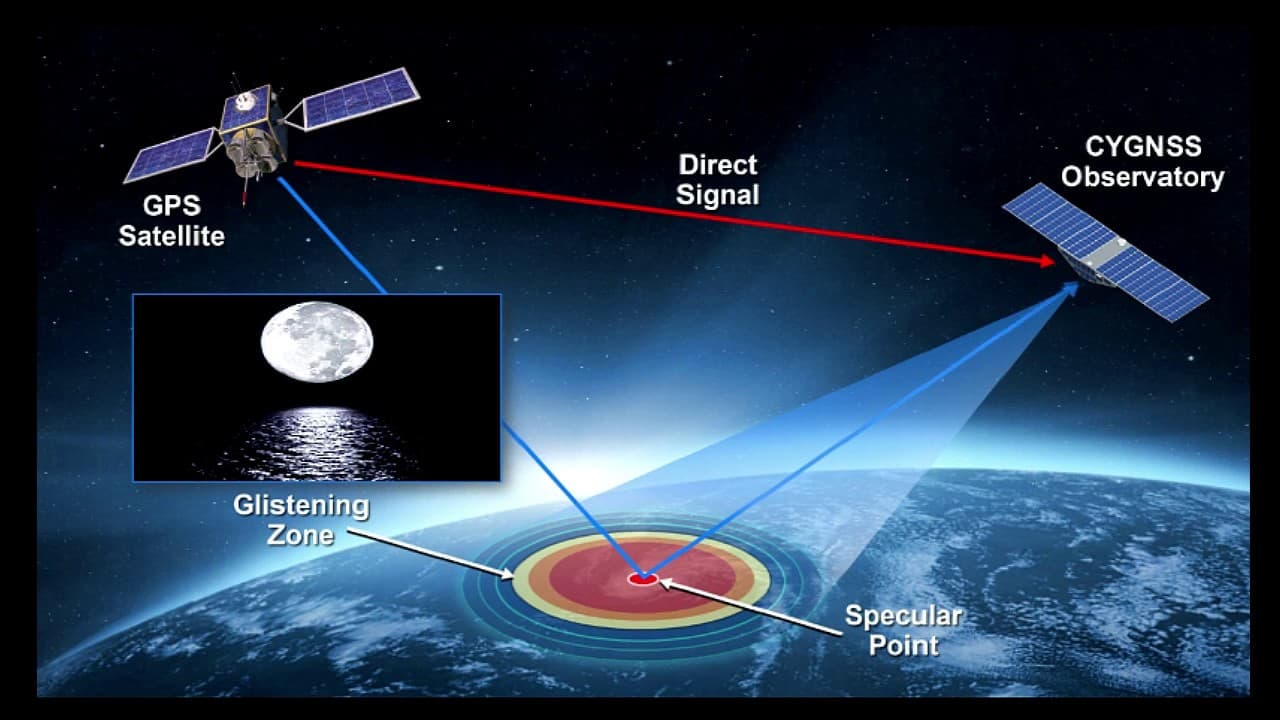
- 👻 GPS signals play a crucial role in Cygnus' unique radar technology, allowing it to measure wind speeds in hurricanes.
- ⌛ Cygnus will provide 24/7 coverage of the tropical cyclone zone, with a seven-hour average revisit time.
Install to Summarize YouTube Videos and Get Transcripts
Explore YouTube Video Summarizer or Get YouTube Transcript Extractor
Questions & Answers
Q: How is Cygnus different from existing satellite technology in measuring hurricanes?
Cygnus utilizes a radar technology that can measure surface wind speeds inside hurricanes, providing more accurate data than existing satellite instruments that are hindered by rain interference.
Q: What are the main objectives of the Cygnus mission?
The main objectives of Cygnus are to gather data on the formation and intensity of tropical storms and hurricanes, improve our ability to predict and understand these weather events, and inspire young people to pursue careers in science and technology.
Q: How is Cygnus able to gather data during heavy rain in hurricanes?
Cygnus uses GPS signals reflected off the ocean surface to measure wind speeds. Because GPS signals are designed to work in heavy rain, Cygnus can penetrate through rain and provide valuable data on hurricanes.
Q: How often will Cygnus make measurements of tropical storms and hurricanes?
Cygnus will provide 24/7 coverage of the tropical cyclone zone, with an average revisit time of seven hours. This means that every seven hours, there will be a complete refresh of the wind distribution data in the tropics.
Summary & Key Takeaways
-
Cygnus is NASA's first earth science small satellite constellation, set to launch on December 12th, 2021.
-
The mission aims to gather unprecedented data on the formation and intensity of tropical storms and hurricanes.
-
Cygnus will use a unique radar technology to measure surface wind speeds inside these storms, improving our ability to predict their development and evolution.
Read in Other Languages (beta)
Share This Summary 📚
Summarize YouTube Videos and Get Video Transcripts with 1-Click
Try YouTube Summary with ChatGPT & Claude or YouTube Transcript Generator
Explore More Summaries from NASA 📚

Summarize YouTube Videos and Get Video Transcripts with 1-Click
Try YouTube Summary with ChatGPT & Claude or YouTube Transcript Generator